
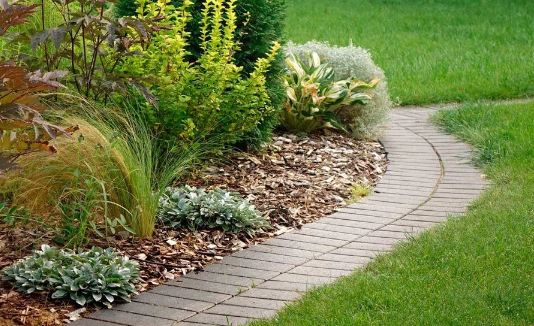
As spring approaches, many homeowners are excited to revitalize their gardens. Incorporating stone pathways and borders can enhance not only the beauty of your outdoor space but also its functionality. In this blog, we’ll explore some innovative ideas for creating stunning spring gardens with the perfect stone features.
1. Designing Inviting Stone Pathways
One of the best ways to elevate the look of your spring garden is by adding stone pathways. These paths serve as guides through your garden, directing visitors to focal points like blooming flower beds or tranquil seating areas. A variety of stone types, from natural flagstones to gravel, allows for creativity in design. Consider the overall theme of your garden when selecting stones; for a cottage garden, irregular stones may harmonize well, while sleek pavers can suit a more modern landscape.
To create a pathway that is not only beautiful but functional, think about the placement and the materials chosen. Start by mapping out the desired route of your pathway using stakes and string. Once you have decided on the layout, clear the area of grass and debris before laying down a weed barrier fabric. This will help prevent unwanted growth while allowing for good drainage. Finally, place the stones in a way that encourages a natural flow through the garden.
-
- Choose stone types that complement your garden’s theme.
-
- Map out the pathway to ensure a logical flow.
-
- Clear the area thoroughly before installation.
-
- Use weed barrier fabric to prevent overgrowth.
-
- Consider the width of the path based on foot traffic.
2. Creating Attractive Stone Borders
Stone borders not only define areas in your garden but also add layers of visual interest. They can be used to outline flower beds, vegetable patches, or even to separate sections of the garden. Using stones to create borders helps keep soil contained while providing a polished look. Flatter stones can create a sleek border, while larger, more irregular stones can give a rustic, natural appearance.
When planning your borders, consider varying the heights and sizes of the stones to create a more dynamic look. Depending on your style, you may opt for a simple linear border or a more elaborate design that curves gracefully. Additionally, incorporating plants or flowers directly alongside the stone border can provide a seamless transition between the paths and planting areas, enhancing the overall aesthetic of your garden.
-
- Select stones that contrast well with your garden plants.
-
- Vary the height and size of your stones for visual appeal.
-
- Incorporate plants alongside borders for a cohesive look.
-
- Consider using various colors or shapes to create unique patterns.
-
- Regularly maintain the borders to prevent weeds and erosion.
3. Enhancing Garden Features with Decorative Stones
Adding decorative stones can provide a unique flair to your spring garden, transforming ordinary settings into extraordinary outdoor experiences. Consider integrating river rocks or marble chips into your design for texture and color variance. These stones can be scattered along pathways, around plants, or as a decorative layer beneath certain garden features like sculptures or birdbaths.
Moreover, decorative stones can work as a mulch alternative. While traditional mulch decomposes and requires replacement, stones can provide a long-lasting solution that aids drainage around plants while reducing moisture evaporation. They’re also less appealing to pests, making your garden a healthier environment for both flowers and produce.
-
- Choose decorative stones that harmonize with your garden colors.
-
- Integrate stones around features for added interest.
-
- Use decorative stones as a mulch alternative for durability.
-
- Mix different types of stones for a more eclectic look.
-
- Regularly clean the stones to maintain their appearance.
4. Landscaping with Natural Stone Elements
Natural stone elements can be incorporated into your spring garden to create a more organic and connected aesthetic with the environment. Boulders, for example, can serve as focal points, while smaller stones can create a natural-looking seating area. In addition to being visually appealing, these natural features can provide space for plants to thrive, especially if used to create rock gardens or terraced areas.
Incorporating stone elements involves more than just placement; it’s about understanding how they interact with your garden’s ecosystem. For instance, stacking stones at varied angles can create habitats for beneficial insects and other wildlife. Furthermore, arranging stones in harmony with existing plants allows for a more seamless transition, encouraging visitors to explore the beauty of your garden.
-
- Incorporate boulders as focal points in your garden.
-
- Consider using stones to create a rock garden or terrace.
-
- Stack stones at angles to create habitats for wildlife.
-
- Ensure that stone placements promote drainage and plant health.
-
- Align stone elements with the natural flow of the landscape.
Spring is the perfect time to revamp your garden and infuse it with personality using stone pathways and borders. By designing inviting stone features, you’ll not only enhance your outdoor space but also create an inviting atmosphere for family and friends. So, roll up your sleeves, gather your materials, and start transforming your garden into a springtime sanctuary!