
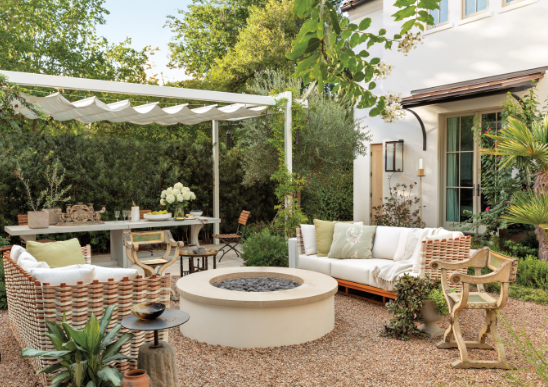
As spring approaches, many homeowners find themselves inspired to refresh their gardens. Minimalist landscape design offers a clean, uncluttered aesthetic that emphasizes nature’s beauty without overwhelming complexity.
1. Embrace Simple Planting Schemes
One of the foundational principles of minimalist gardening is simplicity in planting schemes. Instead of planting a multitude of flowers and plants, select a few species that offer visual interest. For instance, consider using an allium or a single variety of ornamental grasses to create a stunning but straightforward focal point in your garden. The repetition of a small palette allows each plant’s unique qualities to stand out.
In addition, layering plants in varying heights creates depth while maintaining a minimalist feel. Tall plants at the back, medium-sized ones in the middle, and shorter varieties at the front ensure that every layer contributes to the overall look without clashing. For instance, consider using a backdrop of tall lavender, with shorter sedums or blue fescue in the foreground.
-
- Choose three to five plant varieties for a clean look.
-
- Think about height and placement for visual interest.
-
- Opt for plants with similar care requirements.
-
- Consider seasonal changes for year-round appeal.
2. Utilize Hardscape Elements
In a minimalist garden, hardscaping becomes a vital element of the design. These constructed features—like walkways, patios, and retaining walls—serve as the foundation of your garden while providing structure and form. Using materials like smooth concrete, wood, or stone can help to create a cohesive look that enhances the natural beauty of the plants.
Another way to integrate hardscape is by adding simple furniture or decor, such as a single bench made from natural materials. This not only provides a place to relax but also creates a focal point that embodies the minimalist aesthetic. Incorporating simple, geometric shapes in your hardscape design will enhance that clean, uncluttered feeling inherent to minimalism.
-
- Choose a limited palette of materials for a cohesive look.
-
- Incorporate geometric shapes in pathways and furniture.
-
- Use natural materials to blend hardscape with nature.
-
- Keep outdoor furniture simple and functional.
3. Focus on Texture and Color
While a minimalist garden usually emphasizes a limited color scheme, there’s room to play with texture. Mixing different textures can add depth and interest without creating visual clutter. For example, combining the smooth leaves of hostas with the rough bark of nearby trees creates a delightful contrast that engages the senses.
Moreover, keeping to a monochromatic color scheme—like various shades of green—can create an extremely calming environment. However, don’t be afraid to include occasional pops of color in the spring with flowering shrubs or seasonal blooms, ensuring they are strategically placed to maintain balance. The goal is to foster a serene space that invites relaxation.
-
- Experiment with various plant textures.
-
- Limit the color palette to create harmony.
-
- Incorporate seasonal flowers for temporary pops of color.
-
- Ensure contrast in shapes and sizes to maintain engagement.
With these ideas in mind, taking your minimalist garden vision and transforming it into reality can be an exciting endeavor. Start by assessing your existing space, and envision how simplicity can elevate it. Whether you choose to simplify your planting scheme, integrate hardscape elements, or emphasize texture and color, minimalism offers a fresh and calming perspective on gardening.
As you embark on your minimalist gardening journey this spring, don’t hesitate to consult professional landscapers for further guidance. Exploring local nurseries for plant selections also adds a personal touch. Begin your garden transformation today, and enjoy the blossoming beauty that accompanies spring!