
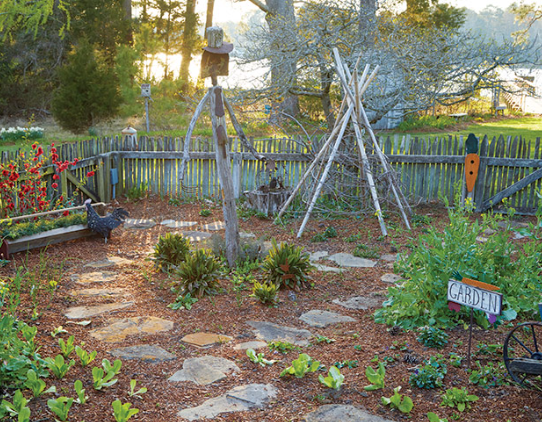
Spring is the perfect time to revitalize your garden, and incorporating wooden garden structures can elevate both the aesthetic appeal and functionality of your outdoor space. From trellises to raised beds, these structures not only provide practical benefits but also add a charming, rustic flair to any garden. Let’s explore some engaging spring garden ideas with wooden elements that you can implement this season.
1. Building Trellises for Climbing Plants
Trellises are an excellent way to maximize vertical space in your garden while showcasing beautiful climbing plants. By adding a trellis, you can support flowering vines like clematis or vegetable-producing plants like peas, which thrive when they have something to climb on. A wooden trellis can be custom-built to suit the specific needs of your plants, ensuring they have the support they need to grow healthy and robust.
Named for its functionality and decorative appeal, a trellis can also serve as a lovely focal point in the garden. When designing your trellis, consider using untreated cedar or redwood, which are naturally resistant to rot. This way, your structure can withstand the elements and complement the natural beauty of your surroundings.
-
- Choose a location with adequate sunlight for your climbing plants.
-
- Design a trellis that aligns with your garden’s style—rustic, modern, or traditional.
-
- Ensure the trellis is firmly anchored to prevent tipping or collapsing.
-
- Select climbing plants based on your climate and space availability.
2. Crafting Raised Garden Beds
Raised garden beds are a fantastic option for spring gardening, providing better drainage and improved soil quality. When built with wood, these beds are not only functional but can also enhance the visual appeal of your garden. You can create a series of raised beds in various shapes and sizes to cultivate a diverse array of vegetables, herbs, and flowers.
Another benefit of raised garden beds is that they can be designed to reduce back strain, making gardening more accessible and enjoyable. Building them at a height that suits your working style can turn gardening into a pleasurable activity. Opt for treated lumber or rot-resistant wood to ensure your raised beds will last for many planting seasons.
-
- Plan your layout to maximize sunlight exposure for each bed.
-
- Remove any grass or weeds from the area before construction.
-
- Use quality soil mixed with compost for optimal plant growth.
-
- Consider adding protective coverings to shield plants from pests.
3. Creating an Arched Walkway with Arbor
An arched walkway with a wooden arbor provides a stunning entrance to your garden, enticing visitors with its charm. This structure can define a pathway and gives a sense of enclosure, making every stroll feel special. Adding climbing plants or flowering vines to the arbor enhances its beauty while offering shade and a pleasant fragrance as you walk through.
To build an arched walkway, plan the size and shape to accommodate your space. Use durable wood like cedar or treated pine and ensure that the structure is firm and stable. You can also integrate benches or decorative stones along the path, giving both functionality and flair to your garden.
-
- Sketch your design on paper to visualize the layout.
-
- Gather all necessary materials, including wood, screws, and tools.
-
- Choose low-maintenance climbing plants that thrive well in your area.
-
- Regularly maintain the arbor and pathway to keep it clean and inviting.
4. Adding Decorative Wooden Features
Wooden features can not only serve practical purposes but also bring aesthetic value to your garden. Consider building wooden planters, benches, or even a small gazebo to create an inviting space. These structures can serve as a gathering point and offer a serene place to relax amidst the beauty of nature.
When choosing wood for decorative features, select materials that can withstand outdoor conditions. Consider incorporating designs that reflect your personal style, such as intricate carvings or smooth, minimalist lines. These features will create a unique personality in your garden, setting it apart from others.
-
- Identify the purpose of the wooden feature—functional or purely decorative.
-
- Incorporate colors and finishes that match your existing garden style.
-
- Ensure stability and safety, especially if incorporating seating.
-
- Think about seasonal changes and how the feature will hold up year-round.
With these spring garden ideas featuring wooden structures, you can transform your outdoor space into a beautiful retreat. Using wood not only adds charm but also enhances functionality—creating a garden that is both pleasing to the eye and practical. So, gather your materials, plan your designs, and get started on turning your gardening dreams into reality!