
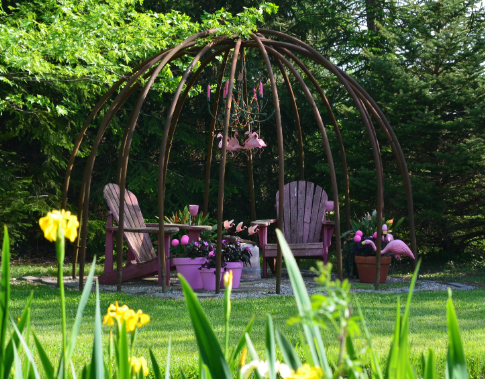
As the chill of winter fades, spring arrives with a promise of vibrant colors and new life in our gardens. Incorporating sculptural garden elements can bring a unique flair to your outdoor space, creating a harmonious blend of nature and artistry. Let’s explore some innovative ideas to enhance your spring garden with captivating sculptures.
1. Consider Stone Sculptures
Stone sculptures are timeless garden features that can create a stunning focal point. Whether you choose a large, abstract piece or smaller, delicately carved figures, stone sculptures can add texture and stability to your garden design. Consider integrating sculptures with soft landscaping; for instance, place a smooth, round stone sculpture among flowering plants for a gentle contrast.
When selecting stone sculptures, think about the scale and style that best suits your garden’s aesthetic. A grand, imposing sculpture can serve as a centerpiece, while smaller pieces can subtly accentuate specific areas. Incorporating natural stone materials can also help the sculpture blend beautifully with the surrounding environment.
-
- Choose a sculpture that complements your garden’s existing style.
-
- Place sculptures in well-defined areas for more impact.
-
- Use lighting to highlight these pieces at night.
-
- Consider the material durability against weather conditions.
2. Create Whimsical Displays with Metal Art
Metal sculptures bring a playful spirit to spring gardens, with options ranging from whimsical animals to intricate geometric designs. These pieces can shine brightly against vibrant flower beds, offering a contrast that draws the eye. Try incorporating wind chimes or kinetic sculptures for an element of movement, adding an auditory layer to the visual landscape.
Metal art can weather the elements better than many other materials, making it a practical yet artistic choice. Consider using rust-resistant metals, such as stainless steel or aluminum, to help maintain the beauty of your pieces over time. These sculptures can also lend a modern touch to more traditional settings, creating a dynamic and inviting atmosphere.
-
- Opt for rust-resistant metals for longevity.
-
- Mix different styles to create visual interest.
-
- Incorporate hanging metal art in tree branches.
-
- Use reflective metal surfaces to enhance light play.
3. Implement Functional Art
Functional garden art blurs the line between beauty and utility, allowing you to enjoy both elements simultaneously. Consider installing artistic birdhouses, trellises, or watering stations as part of your garden décor. These pieces offer aesthetic appeal while serving a purpose, such as attracting wildlife or aiding plant growth.
To enhance functionality, choose artistic designs that align with the natural themes of your garden. For example, a beautifully crafted birdbath can encourage local birds to visit while also adding a charming visual element. Not only do these pieces serve their function, but they also invite life and movement into your space, turning your garden into a hub of activity.
-
- Choose designs that resonate with your garden’s theme.
-
- Ensure that functional pieces are practical and easy to maintain.
-
- Incorporate pieces that attract wildlife to your garden.
-
- Consider seasonal changes when placing functional art.
4. Adorn Your Pathways with Sculptural Lighting
Lighting is an essential aspect of garden design, and sculptural lighting can provide safety and style to your pathways. Choose illuminated sculptures or unique light fixtures that enhance your garden’s aesthetic while guiding visitors through the space. Whether you opt for solar lamps or hardwired fixtures, these lighting solutions can dramatically transform your garden during twilight hours.
To achieve a cohesive look, select lighting pieces that echo the shapes or materials of other garden elements. This can create a sense of unity throughout your landscape. Sculptural lighting can also emphasize the beauty of your garden at night, making it an enchanting experience, from romantic evenings to lively gatherings.
-
- Choose lights that match the decorative style of your garden.
-
- Position lights to enhance the visibility of key features.
-
- Think about the light color—warm tones create a cozy ambiance.
-
- Incorporate dimmers for adjustable lighting options.
5. Combine Color and Materials
When selecting sculptural elements for your spring garden, it’s important to keep color and materiality in mind. Using diverse materials like glass, ceramics, or recycled materials can add an intriguing visual dynamic. Colorful sculptures can provide a beautiful contrast against the greenery, inviting attention and admiration.
Be mindful of your color palette—choosing colors that complement the flowers and plants in your garden can create a cohesive and pleasing atmosphere. Don’t shy away from mixing materials; contrasting elements, like a vibrant glass sculpture against a backdrop of solid stone, can heighten interest and sophistication in your garden space.
-
- Coordinate sculpture colors with existing plants.
-
- Incorporate a variety of materials for texture.
-
- Plan for seasonal shifts in color and bloom.
-
- Consider how reflections and shadows can play into your design.
Embracing sculptural elements in your spring garden can create a stunning blend of nature and art, transforming your outdoor sanctuary. Whether you choose stone, metal, or functional art, each piece can contribute to a unique personality for your garden. Take the time to thoughtfully select elements that speak to you and enhance your space, and watch your garden flourish with creativity this season.