
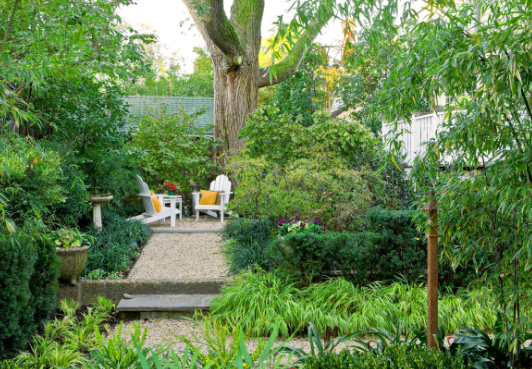
Spring is the perfect time to revitalize your garden and create stunning landscape focal points that will enhance your outdoor space. With a little creativity and planning, you can transform your garden into a vibrant haven that attracts not only the eyes but also a variety of birds and butterflies. Let’s explore some engaging ideas to help you achieve a beautiful spring garden.
1. Incorporating Colorful Flower Beds
One of the simplest ways to create a striking focal point in your garden is to establish colorful flower beds. Consider planting a variety of flowers that bloom in early spring, such as tulips, daffodils, and hyacinths. By layering these flowers, you can create depth and texture. For instance, taller blooms can stand at the back, while shorter plants can fill in the front, providing an eye-catching display. Ensure you choose colors that complement one another, creating a palette that flows nicely and looks intentional.
Besides visual appeal, diverse flower beds attract pollinators, enhancing your garden’s ecosystem. You might consider adding perennial flowers for lasting beauty year after year. Planning your planting schedule is also crucial—some flowers will thrive in full sun, while others prefer shady spots.
-
- Choose a color scheme that resonates with your style.
-
- Layer flowers for a professional-looking arrangement.
-
- Consider bloom times for continuous color throughout spring.
-
- Incorporate native plants to attract local pollinators.
-
- Keep a consistent watering and maintenance schedule.
2. Installing Water Features
Water features can significantly elevate the ambiance of your garden, providing a soothing element. Whether it’s a small pond, a fountain, or a birdbath, the sound of flowing water can add tranquility. A fountain with clear, bubbling water can serve as an inviting focal point, drawing attention and serving as a backdrop for other plants. Moreover, adding aquatic plants like water lilies or lotus can enhance the beauty of your water feature while offering shelter to local wildlife.
When considering a water feature, you’ll want to think about its size in relation to your garden space. Small gardens may benefit from petite fountains, while larger settings can host more expansive ponds. Furthermore, lighting can add a magical touch; consider underwater lights for a stunning evening display.
-
- Assess your garden size to choose an appropriate water feature.
-
- Add aquatic plants to enhance visual appeal.
-
- Incorporate lighting for night-time enjoyment.
-
- Consider maintenance needs, such as filtration and cleaning.
-
- Ensure water features are safe for children and pets.
3. Creating an Outdoor Seating Area
A well-designed outdoor seating area can serve as a beautiful focal point while also offering a functional space for relaxation and entertaining. Choose comfortable furniture that suits your style and complements the surrounding garden elements. Consider incorporating a pergola or shade structure to provide comfort on sunny days. Adding cushions and throws can create a cozy atmosphere, inviting family and friends to enjoy the natural beauty of your garden.
Integrating natural materials like wood, stone, or even wrought iron can enhance the aesthetic of your seating area. Additionally, planting fragrant flowers nearby can make your outdoor space even more inviting, creating a sensory experience. Don’t forget the details, such as decorative lanterns or outdoor art, to add a personal touch.
-
- Select comfortable and durable outdoor furniture.
-
- Create shade with structures like pergolas or umbrellas.
-
- Incorporate fragrant plants for an interesting sensory experience.
-
- Use natural materials that blend well with your garden.
-
- Add personal touches with decor, such as cushions or lanterns.
4. Design Paths and Walkways
Paths and walkways can guide visitors through your garden while serving as an attractive focal point. Using materials like gravel, stone, or pavers can create a defined and inviting path. Consider winding paths that lead visitors through different areas of your garden, allowing them to discover various flowers and features along the way. By surrounding the paths with lush greenery and blooming plants, you can integrate the pathways into your overall design effectively.
Paths also serve practical purposes, offering accessible sections of the garden and reducing the risk of trampling delicate plants. Mixing different materials can add texture and interest, making your pathways visually appealing. Incorporating low-growing ground cover along the edges can elevate the beauty and help retain moisture in your garden beds.
-
- Define pathways using materials like gravel, stone, or pavers.
-
- Create curves for a more inviting and exploratory feel.
-
- Add ground cover plants for a lush border.
-
- Ensure paths are wide enough for comfortable walking.
-
- Consider drainage for rainy seasons to prevent puddles.
Incorporating these spring garden ideas with beautiful landscape focal points can enhance the overall charm of your outdoor space. From vibrant flower beds to serene water features, there’s an abundance of options to explore. Take the next step by planning your garden layout and selecting elements that resonate with your style to create a truly enchanting spring garden.