
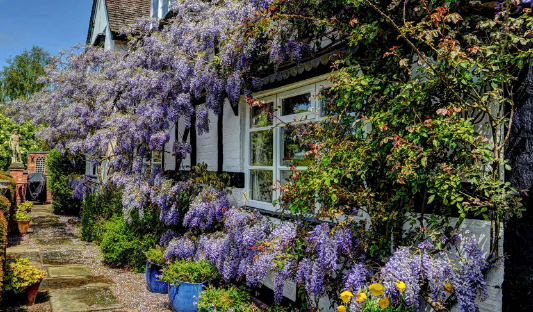
As the chill of winter fades, spring beckons garden enthusiasts to embrace the outdoors and cultivate beautiful landscapes. English gardens, with their timeless charm and romantic aesthetics, offer a wealth of inspiration for your spring gardening endeavors.
This blog post will explore some classic English garden ideas to help you transform your outdoor space into a floral paradise, perfect for enjoying the vibrant colors and scents of spring.
1. Incorporate a Varied Plant Palette
Classic English gardens are known for their diverse selection of plants that bloom at different times throughout the season. To create an engaging spring garden, consider integrating perennials, annuals, and flowering shrubs. Plants like peonies, foxgloves, and delphiniums offer breathtaking colors and textures, ensuring your garden remains captivating from early spring to late summer.
Furthermore, layering your plants by height is crucial for achieving the quintessential English garden look. Taller plants should be placed at the back or center of borders, while shorter ones can adorn the front, creating depth and a lush, full appearance. Pathways lined with flowering borders can guide the eye through the garden while adding to the overall tranquility.
-
- Choose a mix of perennials and annuals for varied blooms.
-
- Consider growth heights to create layered displays.
-
- Opt for fragrant plants like lavender and rosemary.
-
- Incorporate flowering shrubs and climbers for vertical interest.
2. Design Thoughtful Pathways and Seating Areas
Walkways and seating areas are essential elements in crafting the classic English garden feel. Curved pathways, often paved with natural stone or gravel, invite exploration and engage the senses. Consider winding paths that lead to cozy nooks equipped with benches or garden chairs, allowing you to pause and enjoy the surroundings.
Creating these spaces not only enhances the aesthetic appeal of your garden but also emphasizes relaxation and enjoyment of nature. Integrating arbors or pergolas can provide shaded areas that are perfect for reading or informal gatherings. Remember to accompany seating areas with nearby planters filled with colorful blooms to maintain the lush, inviting atmosphere.
-
- Use natural materials like flagstones or gravel for pathways.
-
- Create curvy paths that invite exploration.
-
- Incorporate seating options like benches, chairs, or swings.
-
- Enhance seating areas with planting or decorative features.
3. Add Elements of Surprise and Structure
Classic English gardens thrive on surprise elements that engage and intrigue visitors. From whimsical sculptures to focal point features like fountains or birdbaths, these elements can weave a narrative into your garden design. Consider introducing a creative trellis or an artistically shaped hedge to create structure and define areas within the garden.
Incorporating seasonal themes can also make your garden unique. For example, a seasonal display of tulips in spring followed by dahlias or chrysanthemums in fall makes for a living tapestry of color throughout the year. Additional features, such as raised beds or container gardens, can add dimension and could help to segregate different plantings artistically.
-
- Consider using unique sculptures or art pieces as focal points.
-
- Add water features like ponds or fountains for ambiance.
-
- Incorporate trellises for climbing plants to create vertical interest.
-
- Use seasonal displays to keep the garden lively all year long.
4. Embrace the Charm of Garden Accessories
Garden accessories are vital to enhancing the overall aesthetic of an English garden. From vintage pots and urns to delicate wrought iron gates, these elements infuse character and history into the landscape. Hang lanterns or string lights in trees or along pathways to create a magical ambiance during twilight hours.
Don’t forget practical accessories that serve both function and beauty! Garden tools, compost bins disguised as decorative features, or rainwater collection systems can blend seamlessly into your garden while promoting sustainability. Balancing aesthetics with functionality will help you achieve a cohesive and inviting space.
-
- Incorporate vintage or rustic garden pots for charm.
-
- Use decorative lanterns or lights to enhance evening aesthetics.
-
- Select functional accessories that align with garden themes.
-
- Create focal points with trellises and garden furniture.
5. Plan for Maintenance and Seasonal Changes
To sustain your beautiful English garden, it’s essential to plan for seasonal changes and regular maintenance. A well-maintained garden not only looks good but also supports plant health and flourishing biodiversity. Each season may require different tasks such as pruning, watering, and deadheading flowers, so establishing a seasonal maintenance schedule can help keep the garden vibrant and healthy.
Additionally, consider planting a mix of native plants that require less maintenance and are well-adapted to your climate. Native species are generally more resilient and provide essential habitats for local wildlife, contributing to healthier ecosystem dynamics in your garden.
-
- Establish a seasonal maintenance routine.
-
- Schedule regular deadheading and pruning for perennial plants.
-
- Incorporate native plants for lower maintenance and ecological benefits.
-
- Plan for irrigation systems to ensure proper watering.
Creating a classic English garden this spring is a rewarding journey that combines creativity with nature. By incorporating diverse plant life, thoughtful design, charming accessories, and planning for maintenance, you can cultivate a stunning outdoor oasis that nourishes the senses. Don’t hesitate to start your garden adventure, and consider consulting professionals for advanced landscape ideas or plant selections!