
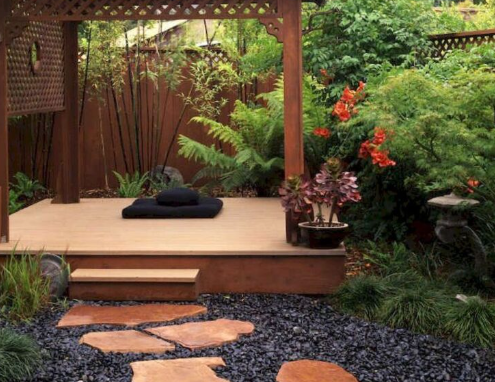
Creating a boho outdoor meditation space is about more than aesthetics—it is about designing an environment that feels grounded, calming, and deeply personal. The bohemian (boho) style blends natural materials, earthy tones, artistic expression, and a relaxed sense of freedom, making it an ideal choice for meditation and mindfulness practices. Whether you have a large garden, a backyard patio, or a small outdoor nook, a thoughtfully designed boho meditation space can become a sanctuary for reflection, relaxation, and inner balance.
Below is a step-by-step guide to help you create a boho-inspired outdoor meditation space that supports both mental clarity and emotional well-being.
Choose the Right Location and Embrace Nature
The foundation of an effective outdoor meditation space is its location. Look for an area that feels naturally peaceful and somewhat removed from daily distractions. This could be a shaded corner of your garden, a quiet patio, or a spot beneath a tree. Privacy is important, but complete isolation is not necessary—soft natural sounds like birds, wind, or rustling leaves can enhance the meditative experience.
Boho design celebrates a strong connection with nature, so work with what your outdoor environment already offers. Instead of fighting uneven ground or existing plants, integrate them into your design. Let climbing vines, tall grasses, or flowering shrubs frame the space organically. If privacy is limited, consider using bamboo screens, sheer outdoor curtains, or hanging textiles to create a sense of enclosure without feeling closed in.
Use Natural Materials and Layered Textures
Materials play a critical role in establishing the boho aesthetic. Prioritize natural elements such as wood, rattan, bamboo, stone, and clay. A simple wooden platform, woven mat, or outdoor rug can define your meditation area and provide a comfortable surface for sitting.
Layering textures is essential to achieving a warm, inviting atmosphere. Combine floor cushions, poufs, low benches, or meditation pillows made from cotton, linen, or jute. These layers not only add visual depth but also allow flexibility—whether you prefer sitting cross-legged, kneeling, or reclining during meditation.
Avoid overly polished or synthetic materials. Slight imperfections, weathered finishes, and handcrafted items add authenticity and character, which are hallmarks of boho style.
Create a Calming Color Palette and Decorative Accents
Boho outdoor spaces typically feature earthy, muted tones that encourage relaxation. Think warm neutrals like beige, sand, cream, and soft brown, paired with gentle accents such as terracotta, olive green, rust, or faded mustard. These colors blend naturally with outdoor surroundings and promote a sense of grounding.
Decorative accents should feel intentional but not excessive. Hanging macramé pieces, dreamcatchers, or handwoven wall art can add a spiritual and artistic touch. Incorporate items that hold personal meaning—perhaps a small statue, a symbolic object, or handmade ceramics. The key is to create a space that feels soulful rather than staged.
Plants are essential in a boho meditation space. Potted plants, herbs, or small trees enhance air quality and reinforce the connection to nature. Choose low-maintenance greenery if you want the space to remain effortless and serene over time.
Set the Mood with Soft Lighting and Sensory Elements
Lighting transforms your meditation space from a daytime retreat into an evening sanctuary. Boho lighting should be soft, warm, and diffused. Solar lanterns, string lights, candles in glass holders, or LED tea lights all work well outdoors. Avoid harsh overhead lighting, as it can disrupt the calm atmosphere.
Engage multiple senses to deepen the meditation experience. Wind chimes or gentle bells introduce subtle sound, while incense, essential oil diffusers, or dried herbs like lavender can create soothing aromas. Even the feel of bare feet on a woven mat or natural stone can enhance mindfulness.
Remember that a meditation space does not need to be elaborate. Simplicity, intention, and comfort are far more important than decoration alone.
Make the Space Personal and Adaptable
A true boho meditation space evolves over time. Allow the area to grow with you by adjusting elements based on your practice and lifestyle. You may add seasonal textiles, swap cushions, or introduce new decorative objects as your preferences change.
Most importantly, make the space your own. Whether you meditate daily or occasionally, this outdoor sanctuary should feel welcoming and pressure-free. There are no strict rules—boho style thrives on individuality and expression.
Final Thoughts
Designing a boho outdoor meditation space is an opportunity to slow down, reconnect with nature, and create a meaningful ritual space in your everyday environment. By choosing a peaceful location, using natural materials, layering textures, and engaging the senses, you can transform even a simple outdoor area into a restorative retreat. With intention and creativity, your boho meditation space can become a place of balance, reflection, and lasting calm.