
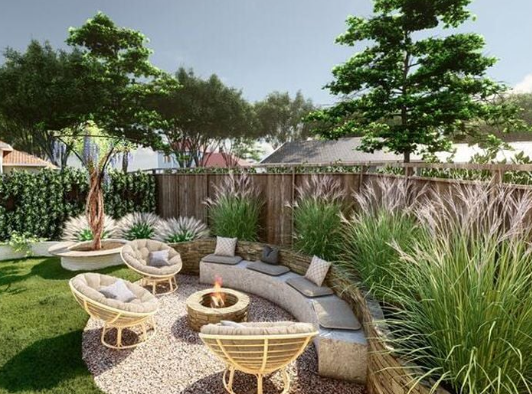
Springtime is the perfect season for those with busy lives to bring a little nature into their homes without spending countless hours tending to a garden. With the right plan, you can enjoy vibrant blooms and lush greenery that require minimal effort. In this post, we’ll explore some low-maintenance garden ideas that will allow you to enjoy the beauty of spring without the stress of a traditional garden.
1. Choose Perennial Plants
One of the simplest ways to create a low-maintenance garden is to opt for perennial plants. Unlike annuals, which need to be replanted every year, perennials return season after season. This not only saves time and effort but can also be more cost-effective in the long run. Some great options include daylilies, sedum, and coneflowers, which thrive with minimal care once established.
Additionally, many perennials are drought-resistant, requiring less water once their roots have settled in. This is especially beneficial for busy homeowners who may not have the time to dedicate to frequent watering. Choose a mix of heights and colors to create a visually stunning display without the upkeep woes.
-
- Select a variety of perennials to ensure continuous blooms.
-
- Plant in well-draining soil to facilitate healthy root growth.
-
- Mulch around plants to suppress weeds and retain moisture.
-
- Consider planting native species to attract local pollinators.
2. Incorporate Ground Covers
Ground covers are a superb way to fill in empty spaces while reducing the need for constant weeding and watering. Varieties like creeping thyme, wild strawberry, or ajuga spread quickly, preventing weeds from overtaking your garden. Not only do these plants enhance the aesthetic appeal of your yard, but they also provide an excellent way to manage erosion on slopes.
Ground covers can be particularly effective in shaded areas where traditional grass may struggle to grow. They create a lush carpet-like effect that softens hardscapes and adds depth to your garden. Pair them with other low-maintenance plants to create a full, inviting landscape with little ongoing commitment.
-
- Choose ground covers suitable for your climate and sunlight conditions.
-
- Regularly check the spread to prevent them from taking over desired plants.
-
- Interplant with perennials for a seamless look.
-
- Consider varying textures and colors for visual interest.
3. Use Container Gardening
Container gardening offers flexibility and convenience, making it an ideal choice for busy homeowners. Pots and planters can be placed on patios, balconies, or even kitchen windowsills, requiring less physical labor while still providing vibrant greenery or colorful blooms. Choose self-watering pots to further reduce maintenance needs; they minimize the frequency of watering while keeping the soil moisture consistent.
When choosing plants for containers, opt for hardy varieties or succulents, which need less water and can withstand some neglect. You can even create themed arrangements, like a herb garden on your kitchen counter or flowering pots for your front door, giving you fresh produce or lovely views with minimal upkeep.
-
- Select low-maintenance plants like succulents, herbs, or annuals.
-
- Choose containers with drainage holes to prevent overwatering.
-
- Position containers for easy access to sunlight.
-
- Group pots together to create a cohesive look.
4. Utilize Mulch Effectively
Mulching is an often-overlooked but highly effective strategy in low-maintenance gardening. A good layer of mulch can significantly reduce weed growth, minimize soil evaporation, and maintain soil temperature. Organic materials like wood chips, straw, or shredded leaves not only provide these benefits but also slowly break down to enrich the soil.
By applying mulch around your plants, you can dramatically cut down on the time you spend weeding and watering. Make sure to replenish mulch annually for optimal effect, and you’ll find that your garden requires far less attention without sacrificing beauty or health.
-
- Apply a 2-4 inch layer of mulch around all garden beds.
-
- Use organic mulch to improve soil health over time.
-
- Keep mulch away from plant stems to prevent rot.
-
- Choose a mulch type that complements your overall garden aesthetics.
5. Select Low-Maintenance Hardscapes
Incorporating hardscapes—installations made from materials other than flora—can create impactful garden space without the upkeep. Stone paths, gravel beds, or decorative edgings can serve as design features that reduce available soil for weeds without compromising aesthetic appeal. Moreover, hardscapes make for easier navigation of your yard, allowing you to enjoy your garden without the hassle of muddy paths.
Consider blending softscapes with hardscapes for a balanced garden look. For instance, lining a stone path with fragrant lavender or ornamental grasses can provide beauty without excessive watering and maintenance. This approach allows you to enjoy a well-designed outdoor space without being overwhelmed.
-
- Incorporate pathways using stones or gravel to reduce mud and weeds.
-
- Choose materials that match your home’s architecture.
-
- Create zones for lounging, dining, or playful activities using hardscapes.
-
- Design with drainage in mind to prevent pooling water.
Embracing a low-maintenance garden this spring can transform your outdoor space into a serene retreat without adding to your busy schedule. By selecting appropriate plants, incorporating ground covers, utilizing containers, and employing effective mulching and hardscaping techniques, you can create a beautiful and inviting garden. Start planning today to enjoy the beauty of nature without the burden of excessive care!