
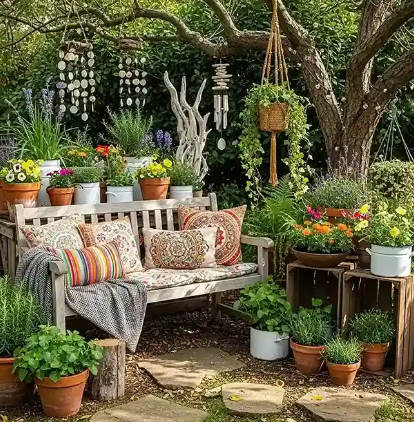
Spring is a wonderful time to embrace the beauty of nature and create a rustic garden that complements your outdoor space. With its natural charm and organic elements, a rustic garden can transform your yard into a tranquil retreat. This blog post will explore several harmonious ideas to bring a rustic touch to your spring garden.
1. Embrace Native Plants
One of the best ways to create a rustic garden is to use native plants that thrive in your local environment. These plants are well-adapted to your soil and climate, reducing the need for pesticides and excessive watering. Consider including wildflowers, grasses, and other perennial plants that bloom beautifully in spring, such as coneflowers, black-eyed Susans, and butterfly weed.
Native plants not only provide a stunning visual appeal but also help support local wildlife, including bees and butterflies. By planting these species, you create a self-sustaining ecosystem that flourishes year after year. Additionally, using local materials like rocks or wood for borders further enhances the rustic feel of your garden.
-
- Research native plant species suitable for your area.
-
- Visit local nurseries to buy native plants or seedlings.
-
- Group plants with similar water and sunlight needs.
-
- Consider a mix of perennials and annuals for year-round interest.
2. Utilize Rustic Garden Structures
Integrating rustic structures adds height, charm, and functionality to your garden. Think of wooden trellises, arbors, or repurposed barn doors that serve as focal points. You can plant climbing vines such as clematis or climbing roses along these structures, which give off a romantic vibe as they flourish in the spring.
Beyond just aesthetic appeal, these structures can also create separate spaces for relaxation or dining. Consider incorporating a rustic bench made from reclaimed wood or a stone fire pit that provides a cozy gathering spot. A couple of well-placed structures can significantly enhance the overall atmosphere of your garden.
-
- Plan the layout to ensure your structures complement the plantings.
-
- Select sturdy materials that can withstand the elements.
-
- Include seating areas to invite relaxation and enjoyment.
-
- Choose climbing plants that bloom at different times for extended visual interest.
3. Add Natural Elements for Texture
Texture plays a critical role in creating a rustic garden that appeals to all senses. Incorporate natural elements like stones, twigs, and logs to provide contrast and interest. Using stone pathways or wooden logs as borders can add depth while leading the eye from one section of your garden to another.
Another great way to introduce texture is through garden ornaments like handmade birdhouses or wind chimes made from recycled materials. These elements not only enhance the rustic feel but also invite characters from nature, making your garden lively and delightful. Pay attention to the small details; they can significantly impact the overall landscape.
-
- Use stones or bricks for pathways or to create a rustic edge.
-
- Include driftwood or logs to define areas within your garden.
-
- Choose handmade decor to promote uniqueness.
-
- Consider planting ground covers to soften hardscape elements.
4. Create a Vegetable or Herb Patch
A rustic garden isn’t just about aesthetics; it can also be practical. Setting up an organic vegetable or herb patch can provide fresh produce and a fun gardening experience. Raised beds constructed of weathered wood or stone not only enhance the rustic appeal but also make maintenance easier. Consider planting easy-to-grow herbs like basil, mint, and chives alongside vegetables such as tomatoes and zucchini.
Incorporating herbs and vegetables into your garden brings a “farm-to-table” feel, allowing you to enjoy the fruits of your labor. It’s rewarding to step outside and gather ingredients for your meals. With proper planning, your vegetable patch can thrive throughout spring, bringing both health benefits and stunning greenery into your garden.
-
- Choose a sunny spot with good drainage for your veggie patch.
-
- Use organic compost to enrich the soil.
-
- Plan for crop rotation to maintain soil health.
-
- Interplant herbs with vegetables to enhance growth and flavor.
5. Add Outdoor Furniture for Comfort
Creating a cozy and inviting space in your rustic garden doesn’t stop at plants and structures. Stylish yet comfortable outdoor furniture can enhance the overall experience. Consider using weathered wooden chairs, a swing seat, or even repurposed pallets to construct tables and benches. These natural materials blend seamlessly into your garden, promoting relaxation amid the beauty of blooming flowers.
Don’t forget about added touches like comfy cushions with earthy tones and patterns that resonate with nature, or a weather-resistant rug to define your outdoor seating area. Incorporating seating arrangements will encourage family and friends to linger, allowing them to immerse themselves in the serene environment you’ve created.
-
- Select naturally sourced or recycled materials for your outdoor furniture.
-
- Arrange seating to encourage conversation and connection.
-
- Use colors that complement your plants and garden layout.
-
- Don’t forget shade options like umbrellas for comfort on sunny days.
Creating a rustic spring garden is both an art and a labor of love, resulting in a beautiful outdoor space to enjoy year-round. Embrace your creativity, incorporate native plants, rustic structures, and natural elements to bring harmony and charm to your garden. Start planning your rustic spring garden today, and enjoy the nourishing benefits it can bring to your life!