
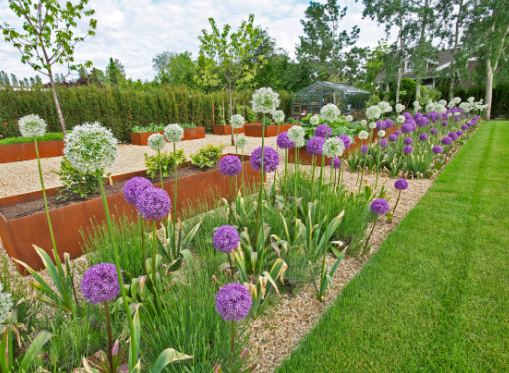
As the chill of winter melts away, spring brings an exciting opportunity to rejuvenate your garden. Whether you have a sprawling backyard or a cozy balcony, sprucing up your landscape can add splashes of color and create a serene escape. Here are some creative ideas to transform your outdoor space into a stunning seasonal landscape.
1. Choosing the Right Spring Flowers
Spring flowers are the heart and soul of any garden, bringing vibrant colors and delightful fragrances. When considering what to plant, think about your local climate and soil conditions. Perennials such as tulips, daffodils, and hyacinths provide a reliable burst of color year after year, while annuals like pansies and petunias can offer a fresh look as the seasons change.
Besides color variety, consider planting bulbs that can thrive together. Mixing tall and short varieties can create layers and depth in your flower beds. Adding some early bloomers in the front and taller blooms behind can offer a visually appealing display to your garden’s architecture.
-
- Research local flowering seasons to select the best varieties.
-
- Plan your layout for optimal visual impact, considering height and color contrast.
-
- Incorporate a mix of perennials and annuals for consistent blooms.
-
- Consider planting in clusters to create vibrant color patches.
-
- Be sure to deadhead blooms throughout the season for sustained vigor.
2. Incorporating Edible Plants
Why not combine beauty with utility by planting an edible garden? Spring is a wonderful time to introduce vegetables, herbs, and fruits that not only look great but can also enhance your meals. Consider planting crops like lettuce, radishes, and strawberries that thrive in cooler temperatures. Raised beds or container gardens can be useful for maximizing space, especially if you’re working with a smaller area.
Herbs such as cilantro, chives, and basil can provide fresh flavors to your cooking while adding greenery to your garden. Not only do they thrive in spring, but many edible plants are also beneficial for pollinators, enhancing biodiversity in your garden. Additionally, a well-planned edible landscape can be both an aesthetic and a practical choice.
-
- Choose a sunny location with good drainage for your edible plants.
-
- Start with easy-to-grow crops if you’re a beginner.
-
- Plan your garden layout to make watering and harvesting convenient.
-
- Consider companion planting to maximize growth and reduce pests.
-
- Regularly check for signs of pests and manage them organically.
3. Creating Functional Outdoor Spaces
Spring is the perfect time to create outdoor spaces that encourage relaxation and social gatherings. Whether it’s a cozy nook to enjoy your morning coffee or a seating area for entertaining guests, thoughtful design can transform your garden. Consider adding garden benches, a fire pit, or even a hammock to enhance your possibilities for enjoyment.
Incorporate features such as pathways lined with stones or bricks to guide visitors through your garden. These paths not only provide a functional aspect but also add visual interest and structure. Using various textures in the landscape, such as soft grasses next to smooth stones, can heighten the sensory experience of your environment.
-
- Plan your seating areas to receive ample sunlight as well as shade.
-
- Use native plants to create natural beauty around functional spaces.
-
- Incorporate lighting to extend the usability of your outdoor spaces into the evening.
-
- Add decorative elements like birdhouses or wind chimes for added charm.
-
- Keep pathways clear and well-maintained for safety and accessibility.
4. Sustainable Gardening Practices
As you revamp your garden this spring, consider implementing sustainable practices that support the environment. This can include using organic fertilizers, rainwater harvesting systems, and creating compost bins for kitchen waste. Not only does this reduce your carbon footprint, but it also contributes to healthier soil and plants.
Another aspect of sustainable gardening is selecting plants that require less water and are drought-resistant. This helps conserve water and ensures that your garden thrives even during dry spells. Additionally, practicing crop rotation can prevent soil depletion and lessen the need for chemical interventions.
-
- Research organic fertilizers that suit your plants’ needs.
-
- Set up a rain barrel to collect water runoff for irrigation.
-
- Choose native plants to reduce water requirements and attract local wildlife.
-
- Rotate crops seasonally to maintain soil health.
-
- Regularly monitor soil moisture to prevent overwatering.
With these spring garden ideas, you can create a stunning landscape that reflects your personal style while contributing positively to the environment. Embrace the new season by taking the time to plan and implement these tips, and watch as your garden flourishes into a beautiful oasis. Whether you do it yourself or seek the help of professionals, every step you take brings you closer to the garden of your dreams.