
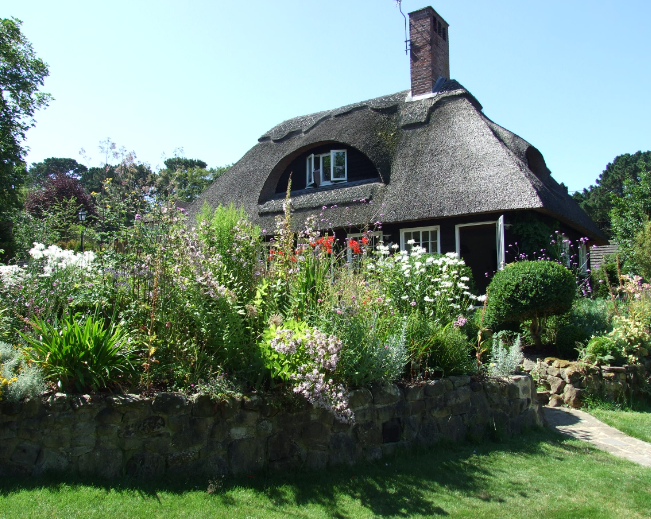
Spring is a magical time for garden enthusiasts, especially those who adore cottage-style landscapes. With lush blooms and charming accents, creating a spring garden in your cottage can be a rewarding experience. Here are some delightful ideas to help you transform your outdoor space this season.
1. Embrace Natural Planting
A cottage garden thrives on the notion of embracing nature. Instead of meticulously manicured rows, opt for a more relaxed approach with wildflowers and perennial plants. This type of planting invites a variety of beneficial insects and birds, enhancing the ecological balance of your garden. For instance, consider integrating daisies, foxgloves, and lavender for a vibrant mix of colors and textures.
Additionally, layering your plants can provide depth and visual interest. Place taller blooms like hollyhocks or sunflowers in the back, with shorter plants in the front. This ensures that every flower has its moment in the sun while creating a lush, full appearance. Don’t be afraid to allow plants to grow freely; a bit of chaos can elevate your cottage garden’s beauty!
-
- Choose native plants for better adaptation.
-
- Mix annuals and perennials for continuous blooms.
-
- Incorporate ground covers like creeping thyme.
-
- Monitor plant spacing for good airflow.
-
- Use a variety of colors and heights.
2. Include Charming Pathways
Pathways serve as the backbone of any garden, guiding visitors through your serene landscape. A rustic stone or gravel walkway enhances the cottage aesthetic, giving a homey, welcoming feel. Consider using reclaimed materials, such as bricks or wood planks, to create pathways that blend harmoniously with your garden’s charm.
With pathways, you can also set the stage for different sections of your garden, such as herb patches, flower beds, or cozy sitting areas. Adding whimsical touches, like stepping stones or fragrant herbs alongside the path, can make every stroll an experience to remember. Don’t forget to incorporate interest with small accents, such as decorative lanterns or tiny garden signs!
-
- Plan the layout before construction.
-
- Choose materials that resonate with your home’s architecture.
-
- Add lighting for evening ambiance.
-
- Incorporate plants along pathways for color and fragrance.
-
- Ensure pathways are wide enough for easy navigation.
3. Create Cozy Nooks
One of the hallmarks of a cottage garden is its inviting atmosphere, and creating cozy nooks can enhance this feeling exponentially. Consider establishing a small seating area surrounded by blooming flowers or nestled under a canopy of trees. Use vintage furniture like wrought iron chairs or a weathered bench to maintain that rustic feel.
Your cozy nook can further benefit from the use of cushions and throws that add layers of comfort and color. Adding decorative elements like a small table for drinks or a trellis with climbing plants can enhance the aesthetics. These spaces can serve as perfect spots to relax, read, or enjoy the beauty of your garden.
-
- Choose comfortable, weather-resistant furniture.
-
- Add cushions and blankets for seasonal comfort.
-
- Surround the area with fragrant flowers.
-
- Incorporate a small fountain or birdbath for soothing sounds.
-
- Add decorative privacy screens for solitude.
4. Plant for Wildlife
Integrating wildlife-friendly plants not only beautifies your garden but also creates a thriving ecosystem. Flowering plants that provide nectar attract butterflies, while diverse shrubs can offer shelter for birds and beneficial insects. Consider planting native species such as milkweed, echinacea, or sunflowers to promote local wildlife’s health while enhancing your garden’s biodiversity.
Creating a habitat does not require extensive space; even small corner patches can be transformed into thriving environments. Adding features like bird feeders, bee hotels, and even a small pond can greatly encourage wildlife to frequent your space, making your garden a lively, interactive spot to enjoy.
-
- Choose native plants for local wildlife.
-
- Install bee hotels for solitary bees.
-
- Add bird feeders for feathered friends.
-
- Plant shrubs for shelter and nesting.
-
- Limit pesticide use to protect beneficial insects.
5. Incorporate Artistic Features
Artistic features add personality and flair to your cottage-style garden. These can range from whimsical sculptures and garden gnomes to beautiful birdhouses and intricate trellises. When choosing decorative elements, consider selecting pieces that resonate with your garden’s theme while reflecting your personal style.
Water features, such as small ponds or fountains, can also serve as artistic focal points while providing soothing sounds. Handcrafted pottery or rustic planters can accentuate your garden’s charm when filled with vibrant flowers or herbs. Ultimately, these creative touches can transform an ordinary garden into a personal sanctuary.
-
- Incorporate handmade items for a unique touch.
-
- Mix different materials like wood, stone, and metal.
-
- Choose pieces that tell a story or evoke nostalgia.
-
- Be mindful of balance; avoid overcrowding with decorations.
-
- Change decor seasonally to keep things fresh.
Spring is the perfect opportunity to breathe new life into your cottage-style garden. By incorporating natural planting, charming pathways, cozy nooks, wildlife-friendly elements, and artistic features, you’ll create a vibrant outdoor sanctuary. Whether you’re an experienced gardener or just starting out, the beauty of a cottage garden is within reach!