
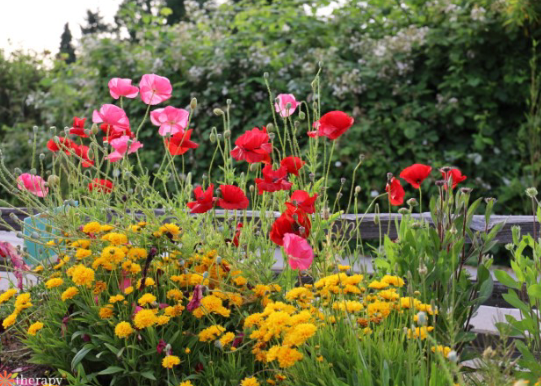
Spring is a magical time for garden enthusiasts, bringing fresh blooms and vibrant life back to outdoor spaces. One of the best ways to enhance your garden this season is by creating a butterfly garden. These gardens not only beautify your surroundings but also support local ecosystems by providing habitats for beneficial pollinators.
1. Choosing the Right Butterfly Garden Plants
The first step in creating a butterfly garden is selecting the right plants. Butterflies are attracted to a variety of flowers, but they especially love nectar-rich blossoms. Consider planting native species that thrive in your climate, as these plants will be more resilient and require less maintenance. Some popular choices include milkweed, coneflower, and zinnias, which are excellent for attracting butterflies throughout the spring and summer.
In addition to flowering plants, incorporating host plants for caterpillars is essential. For example, milkweed serves as a host for monarch caterpillars, while fennel and parsley attract swallowtail butterflies. By providing both nectar and host plants, you create a welcoming environment for all stages of a butterfly’s life cycle.
-
- Research local butterflies to find native plants.
-
- Include both nectar plants and host plants.
-
- Opt for a variety of colors to attract different species.
-
- Group plants in clusters to create visual impact.
-
- Choose plants that bloom at different times for continuous attraction.
2. Designing Your Butterfly Garden Layout
Once you’ve selected your plants, it’s time to think about layout. A well-designed garden not only looks beautiful but also enhances the butterfly experience. Plant in layers by placing taller plants toward the back and shorter ones in front; this will create a visually appealing backdrop while making it easier for butterflies to navigate their new home. Paths or stepping stones can be integrated to provide access for you and keep the garden neat.
Consider installing sun-drenched spots and shaded areas within your garden. Butterflies bask in the sun to warm their bodies, so including sunny patches helps keep them active. However, providing some shaded resting areas allows butterflies to cool off when necessary and encourages them to linger longer in your garden.
-
- Sketch a plan of your butterfly garden layout.
-
- Arrange plants by height and sunlight preference.
-
- Use natural materials for pathways to blend in with the environment.
-
- Incorporate water features like small ponds or birdbaths.
-
- Leave some areas untamed for butterflies to feel safe.
3. Supporting Butterfly Habitats and Breeding
Supporting the lifecycle of butterflies means creating an environment that encourages breeding. One effective way to attract butterflies and promote their reproduction is to avoid using pesticides and herbicides in your gardening. These chemicals can have harmful effects on not just butterflies but all beneficial insects. Instead, consider using organic pesticides or introducing natural predators to keep pest populations in check without harming your butterfly visitors.
Additionally, you can create safe spaces within your garden. Adding shelter in the form of dense shrubs or small piles of stones can provide butterflies a secure place to rest and hide from predators. Also, consider allowing a small section of your yard to grow wild, with native grasses and flowers, creating an inviting landscape for butterflies and other beneficial wildlife.
-
- Avoid using harmful chemicals in your garden.
-
- Create shelters like shrubs or piles of rocks.
-
- Consider leaving an area of wildflowers untouched.
-
- Educate yourself about organic gardening techniques.
-
- Encourage other gardeners to join in butterfly-friendly practices.
4. Providing Essential Resources
Butterflies need more than just flowers to thrive; they also require water, food sources, and resting spots. Incorporate shallow dishes filled with water in your garden, using pebbles to create landing spots. This will help butterflies hydrate without the risk of drowning. Remember that butterflies also enjoy overripe fruit, so setting out slices of oranges, apples, or bananas can attract them easily while providing a nourishment source.
Creating perches is another way to encourage butterflies to linger in your garden. Installing decorative trellises or placing flat stones at varying heights provides a resting spot for butterflies as they sunbathe or survey their surroundings. Butterfly houses are another charming addition, offering a cozy spot for them to stay sheltered during inclement weather or for breeding purposes.
-
- Create shallow water sources with pebbles for butterflies to land on.
-
- Provide slices of overripe fruit as additional food sources.
-
- Add perching spots like decorative trellises or flat stones.
-
- Install butterfly houses for shelter and breeding.
-
- Regularly clean water dishes to prevent algae build-up.
Spring is the perfect time to begin your journey in creating a stunning butterfly garden. By carefully selecting plants and designing an inviting and nurturing environment, you not only enhance your outdoor space but also contribute positively to the ecosystem. Begin your butterfly-friendly garden today, and enjoy the beauty and joy that these magnificent creatures bring. Don’t hesitate to consult local experts or gardening communities for tailored advice and inspiration along the way.