
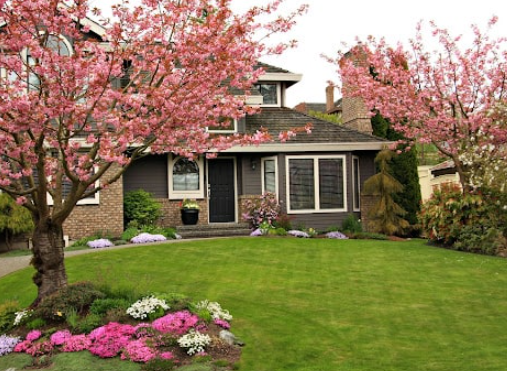
Spring is a time of renewal, and what better way to celebrate this season than by transforming your garden with colorful flowering shrubs and trees? With the right choices, you can create a vibrant oasis that not only enhances your outdoor space but also attracts pollinators and provides year-round interest.
1. Selecting Flowering Shrubs for a Vibrant Display
Choosing the right flowering shrubs is crucial for creating a spring garden that bursts with life. Some popular options include the Azalea, which boasts lovely blooms in a range of colors from white to pink, and the Rhododendron, known for its large, showy flowers. These shrubs thrive in well-drained, acidic soil and can provide a stunning backdrop when planted in groups. Additionally, consider the Forsythia, whose bright yellow flowers herald the arrival of spring and catch the eye even from a distance.
When deciding on placement, think about the height and spread of each shrub. Taller varieties like the Viburnum can be positioned as focal points at the back of a border, while lower-growing options such as Spiraea work well towards the front. Layering different heights creates visual interest and helps each shrub shine. Remember to check the sunlight requirements for each plant as well; some, like the Hydrangea, prefer shaded spots, while others need full sun.
-
- Research flowering shrub options suitable for your climate.
-
- Consider bloom times for staggered seasonal interest.
-
- Group shrubs in odd numbers for a more natural look.
-
- Ensure adequate sunlight and water based on plant preferences.
-
- Take soil pH into account when selecting shrubs.
2. Incorporating Flowering Trees for Height and Drama
Flowering trees can add height and drama to your spring garden. The Cherry Blossom, known for its breathtaking spring blooms, is a favorite among many gardeners. This tree not only provides a stunning visual feast but also attracts bees and butterflies, promoting a vibrant ecosystem. Other excellent choices include the Dogwood and the Magnolia, both of which have flowers that can vary in color ranging from white to deep pink.
When planting flowering trees, consider their mature size and the amount of space you have available. Dwarf varieties, such as the Flowering Crabapple, can fit into smaller gardens without overwhelming the space. It’s also essential to consider their placement relative to your home and other landscape features to ensure optimal growth and visibility. Additionally, think about planting them near gathering areas like patios for a delightful view during social events.
-
- Choose flowering trees based on their size and space requirements.
-
- Consider seasonal interest; some trees have beautiful fall foliage as well.
-
- Plant trees where they won’t block views or interfere with home foundations.
-
- Incorporate mulch around the base to retain moisture.
-
- Regularly prune to encourage healthy growth and shape.
3. Seasonal Maintenance for Thriving Blooms
Once you have planted your flowering shrubs and trees, maintaining them is essential to ensure they continue to thrive and produce stunning blossoms. Regular watering during the establishment phase is crucial; newly planted shrubs and trees may need daily watering, especially in hot, dry conditions. As they mature, adjust your watering routine based on their specific needs, focusing on deep, infrequent watering to encourage strong root systems.
Fertilization is another key aspect of seasonal maintenance. Before the growing season begins, apply a slow-release fertilizer that is suited for flowering plants. This will provide the necessary nutrients and promote healthy blooms. Additionally, don’t forget to prune your plants appropriately to remove dead or damaged wood; this encourages better airflow and minimizes disease risk, ensuring your garden remains healthy and vibrant.
-
- Water newly planted shrubs and trees regularly for the first season.
-
- Use slow-release fertilizer in early spring.
-
- Prune plants to maintain shape and remove any dead branches.
-
- Monitor for pests and manage problems promptly.
-
- Mulch around plants to retain moisture and suppress weeds.
In conclusion, spring is an ideal time to revitalize your garden with flowering shrubs and trees. By carefully selecting the right plants and committing to their maintenance, you can create an outdoor haven that delights the senses and adds lasting beauty to your home. Take the first step today by planning your garden layout and selecting your favorite flowering varieties!