
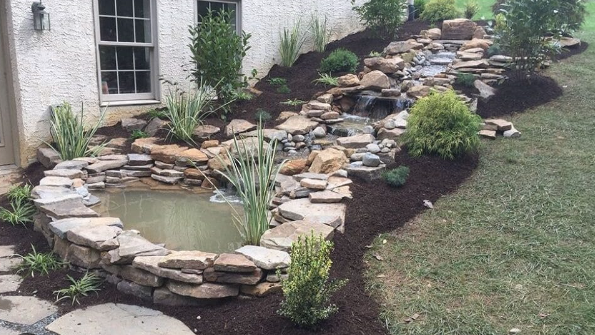
Spring is a wonderful time to explore new ideas for your garden. With fresh blooms and vibrant colors on the horizon, incorporating natural outdoor design elements can transform your space into a serene oasis. In this blog post, we’ll delve into creative spring garden ideas that harmoniously blend nature with design.
1. Incorporating Native Plants
One of the most effective ways to create a beautiful garden this spring is by incorporating native plants. Native species are adapted to your local climate and soil conditions, which means they typically require less water and maintenance compared to non-native varieties. Additionally, native plants attract local wildlife such as butterflies and birds, enhancing the ecosystem in your garden.
When choosing native plants, consider including a variety of heights and blooms to add depth and color. For instance, wildflowers like coneflowers or black-eyed Susans can add bursts of color, while taller plants like Joe Pye weed can serve as a backdrop. Be sure to research your local area’s specific native plants for the best results.
-
- Visit a local nursery specializing in native plants.
-
- Choose a mix of flowers, shrubs, and grasses.
-
- Plan your planting layout for visual balance.
-
- Consider seasonal blooms to ensure year-round interest.
2. Creating Natural Pathways
Natural pathways can enhance both the functionality and aesthetics of your garden. Using materials like stone, gravel, or even decomposed granite, you can design a trail that flows through your garden. Not only do pathways help guide visitors, but they also contribute to a more organized and clean look.
Incorporating curves rather than straight lines can make your pathway feel more organic and inviting. Surround your pathways with flowering plants or ground cover, creating a seamless transition between manmade and natural elements. As you design your pathways, think about accessibility for maintenance and enjoyment.
-
- Use eco-friendly materials for a sustainable path.
-
- Design pathways that follow natural terrain.
-
- Ensure pathways are easily navigable for all visitors.
-
- Add edging to define pathways and prevent erosion.
3. Integrating Water Features
Water features bring a soothing element to any garden, and they can be designed to look as natural as possible. Whether you opt for a small pond, a bubbling fountain, or a simple birdbath, these elements can attract wildlife and provide a tranquil ambiance. When choosing a water feature, consider its size and set it in a spot that can be easily viewed while relaxing or entertaining.
Adding plants around your water feature can enhance its natural look. Aquatic plants like lilies can float beautifully on the surface, while surrounding it with ferns and stone can create a cohesive landscape. Regular maintenance of your water feature is necessary to keep it clean and ensure the health of any plants and wildlife it attracts.
-
- Choose a water feature that suits your available space.
-
- Incorporate plants that thrive in wet conditions.
-
- Design seating areas nearby to fully enjoy the sounds of water.
-
- Consider adding solar-powered lights for a magical evening glow.
4. Using Natural Materials for Garden Decor
Using natural materials in your garden decor can enhance the organic feel of your outdoor space. Items like wooden benches, stone sculptures, or bamboo fencing can integrate beautifully with the surrounding environment. Not only do these materials add character, but they also blend well with plants and flowers while being sustainable.
Creating DIY garden decor can be a fun activity for families. Try repurposing old wooden pallets as vertical gardens or using rustic stones to build raised beds. Natural decor contributes to a layered design aesthetic, bringing texture and warmth to your garden.
-
- Use reclaimed materials to reduce your ecological footprint.
-
- Choose decor that complements your garden’s color palette.
-
- Incorporate various textures for visual interest.
-
- DIY projects can engage family members in gardening.
5. Establishing Outdoor Seating Areas
Including outdoor seating areas in your garden design can make your space more inviting and usable. These areas serve as perfect spots for relaxation, contemplation, or convivial gatherings. Aim for designs that harmonize with the natural surroundings, using materials like wood or stone to create a cohesive look.
Position seating to take advantage of scenic views or natural shade provided by trees and shrubs. Adding cushions or outdoor-friendly textiles can increase comfort without compromising style. Consider including a small table for refreshments or gardening tools to enhance practicality.
-
- Choose furniture made from sustainable, weather-resistant materials.
-
- Incorporate shaded areas with parasols or nearby foliage.
-
- Position seating to maximize viewing angles of your garden.
-
- Add lighting for evening use and ambiance.
As spring approaches, now is the perfect time to breathe new life into your garden. By incorporating these natural outdoor design elements, you can create a space that not only looks beautiful but also enhances the well-being of your surrounding ecosystem. Take the next step by planning your garden layout, selecting plants, and enjoying the creative process of transforming your outdoor space.