
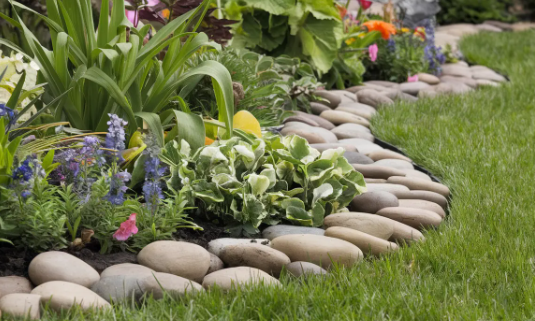
Spring is the perfect time to rejuvenate your garden and explore fresh ideas that not only enhance its beauty but also create a structured environment. One way to elevate your outdoor space is by incorporating stylish garden borders. These borders can add definition, texture, and even color to your garden, making it a vibrant oasis for relaxation or gatherings.
1. Choosing the Right Material for Garden Borders
The first step in designing your garden borders is selecting the right material. Common choices include wood, stone, metal, and plastic. Each material has its unique aesthetic and functional advantages. For example, rustic wooden borders can bring warmth and a natural feel to your garden, while sleek metal borders offer a modern edge and are durable against the elements.
When choosing a material, consider not only its appearance but also its maintenance needs and how it suits the overall style of your garden. Stone borders can provide a natural habitat for small creatures while also being low-maintenance. Meanwhile, wooden borders might require periodic staining or sealing to maintain their integrity, especially in moist climates.
-
- Assess the overall theme of your garden (modern, rustic, traditional).
-
- Choose materials that align with your climate to ensure durability.
-
- Consider the long-term maintenance requirements of each material.
-
- Think about how easily you can install and modify the borders in the future.
2. Designing Functional and Aesthetic Borders
Once you’ve chosen your materials, it’s time to think about the design. A well-thought-out border can create functional spaces for planting, delineate paths, or even serve as natural barriers to deter pests. Curved borders can soften the lines of a garden and invite exploration, while straight borders promote a more formal feel.
Additionally, think about how your borders can interact with the plants. For instance, taller plants can be paired with lower borders, allowing for visibility and highlighting the greenery. You can also incorporate flowering plants along the borders to provide seasonal interest and attract pollinators, adding life to your garden.
-
- Plan the layout before digging or installing materials.
-
- Mix plant heights to create depth and interest.
-
- Use curves for softer edges while maintaining functionality.
-
- Consider adding seasonal flowers to the borders for added color.
3. Incorporating Eco-Friendly Practices
As gardening becomes increasingly interconnected with environmental awareness, it’s essential to consider eco-friendly practices. Instead of purchasing new materials, consider repurposing items like old bricks, wood, or even tires for creative border solutions. This not only keeps waste out of landfills but can also impart a unique character to your garden.
Sustainable options, such as using native plants for your borders, can also benefit local wildlife and pollinators. Native plants are adapted to the local climate and soil conditions, reducing the need for pesticides or excessive watering. By combining aesthetics with ecological responsibility, you can create a garden that is beautiful and beneficial.
-
- Look for recycled materials to incorporate into your borders.
-
- Choose native plants for easier maintenance and environmental benefits.
-
- Limit the use of chemicals by using organic gardening practices.
-
- Consider adding mulch to borders to decrease water evaporation and weed growth.
Spring gardening can be a fun and rewarding activity that enhances your outdoor space. By carefully selecting materials, designing with function and aesthetics in mind, and incorporating eco-friendly practices, you can create a garden that is both beautiful and sustainable. Don’t hesitate to start exploring these ideas to craft the perfect spring garden that reflects your style.