
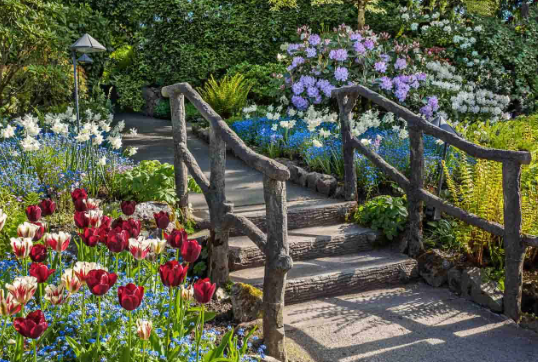
Spring is a time of awakening, where nature bursts into color and life re-emerges after a long winter. For gardening enthusiasts, it offers the perfect opportunity to create stunning terraced landscapes that enhance your outdoor space, maximize your garden’s potential, and provide a beautiful, functional environment.
1. Understanding Terraced Garden Design
A terraced garden involves creating multiple levels or steps in your landscape, primarily suited for sloped areas. This design not only improves aesthetic appeal but also helps manage soil erosion and enhances drainage, making it a practical solution for gardeners with gradient land. Moreover, terraced gardens allow for better sunlight access, ensuring that all plants receive the right amount of light throughout the day.
When planning a terraced design, it’s essential to consider your local climate, soil type, and what plants you wish to grow. Elevated levels can accommodate flowers, herbs, or vegetables, depending on your preference. For instance, you might grow tomatoes and peppers on the higher terraces that receive full sun while planting shade-loving hostas on lower levels.
-
- Assess your land’s slope and drainage patterns.
-
- Choose materials like stone, timber, or concrete for steps.
-
- Consider sunlight exposure for each level.
-
- Plan which plants will thrive in each section.
2. Selecting the Right Plants for Your Terrace
Choosing plants is crucial for your terraced garden’s success. While some plants prefer the sun, others thrive in partial or full shade. For sunny terraces, robust options might include lavender, marigolds, and sunflowers. Conversely, ferns, astilbes, and hostas are suitable for shadier spots. Always consider the growth habits of the plants to avoid overcrowding or competition for space.
Annuals and perennials can both play significant roles in your terraced garden. Perennials can establish permanence and return each year, while annuals can add seasonal bursts of color. Mixing the two types can create a dynamic, vibrant landscape that changes throughout the seasons. Don’t forget to incorporate herbs and vegetables in the mix for both beauty and function.
-
- Choose native plants; they require less maintenance.
-
- Incorporate herbs for culinary use and additional fragrance.
-
- Vary plant heights to add visual interest.
-
- Include ground cover plants to minimize weeds.
3. Environmental and Aesthetic Benefits
Terraced gardens not only boost appeal but also offer numerous environmental benefits. By controlling erosion and promoting biodiversity, they contribute positively to local ecosystems. The varied terrain creates habitats for insects, birds, and small mammals, while the presence of plants helps improve air quality and reduce rainwater runoff, which can assist in groundwater replenishment.
Aesthetically, terraced gardens can transform ordinary yards into mountainside retreats or elegant landscapes. Pathways between terraces not only provide accessibility but also invite exploration. Adding elements like decorative stones, sculptures, or water features can enhance the visual charm and offer spots for contemplation and relaxation.
-
- Incorporate a variety of textures and colors in your design.
-
- Add pathways or stepping stones for easy access.
-
- Consider using recycled materials for an eco-friendly touch.
-
- Utilize pots and raised beds for added height and variety.
Creating a terraced garden landscape can significantly enhance your outdoor experience this spring. By understanding the design, selecting the right plants, and appreciating both the environmental and aesthetic benefits, you can cultivate a beautiful and sustainable space. Don’t hesitate to seek guidance from gardening professionals or local landscape designers to get started on your journey to a flourishing garden.