
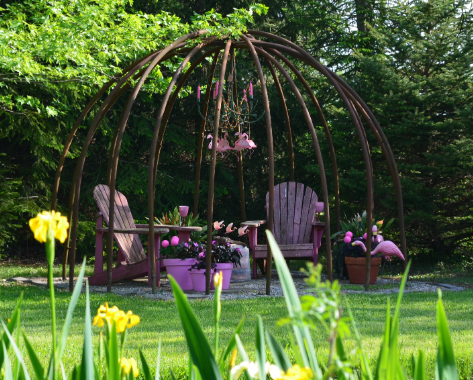
Spring is the perfect time to rejuvenate your garden and introduce unique features that will enhance its beauty and functionality. Creating an outdoor space that reflects your personality while providing enjoyment can be a delightful journey. Here are some innovative ideas to consider for your spring garden.
1. Vertical Gardens
Vertical gardens are a fantastic way to maximize space and add a lush, green aesthetic to your outdoor area. By utilizing vertical space, you can create a stunning focal point without sacrificing valuable ground area. This can be done with trellises, wall planters, or specially designed vertical garden kits that include irrigation systems for easy maintenance.
Consider incorporating a variety of plants, from herbs to flowering vines, to create layers of texture and color. If you’re working with limited space, choose compact and trailing plants that will thrive in a vertical setup while bringing vibrant life to your garden walls. A vertical garden not only saves space but also provides an opportunity to experiment with design and plant combinations.
-
- Choose a sunny wall or fence for your vertical garden.
-
- Use plants suited for vertical growth, like climbing roses or herbs.
-
- Ensure proper drainage to prevent water buildup.
-
- Incorporate a variety of textures and colors for visual interest.
-
- Consider automated watering systems for convenience.
2. Water Features
Adding a water feature can transform your garden into a serene oasis. Whether it’s a small fountain, a pond, or a cascading waterfall, the sound of flowing water offers a calming atmosphere that enhances outdoor relaxation. Besides aesthetics, a water feature attracts beneficial wildlife, such as birds and butterflies, contributing to a lively ecosystem.
Installing a water feature doesn’t have to be complicated. Pre-made kits are widely available and can be set up in a weekend, making them accessible to even novice gardeners. When planning your water feature, think about its location. Ideally, it should be positioned near seating areas so you can enjoy its soothing presence while relaxing with a book or sipping tea.
-
- Choose the right size water feature to fit your space.
-
- Select a style that complements your garden theme.
-
- Incorporate plants around the water to enhance its beauty.
-
- Keep the water clean to prevent algae growth.
-
- Consider solar-powered pumps for eco-friendliness.
3. Outdoor Lighting
Enhancing your garden with outdoor lighting not only extends your enjoyment into the evening hours but also adds ambiance to your outdoor space. From fairy lights strung along fences to solar-powered lanterns punctuating pathways, strategic lighting can highlight beautiful flower beds, garden statues, or unique landscaping features.
While planning your lighting, think about layering your options. Use a mix of ambient, task, and accent lighting to create depth and dimension. For instance, use soft lights to illuminate dining areas while highlighting unique garden features with spotlights. Furthermore, consider energy-efficient options like LED lights to reduce electricity costs and environmental impact.
-
- Map out key areas to highlight, such as paths and seating.
-
- Choose energy-efficient lighting solutions.
-
- Incorporate decorative lighting elements for added charm.
-
- Use timers or smart systems for automated lighting.
-
- Ensure safety by illuminating walkways clearly.
4. Creative Pathways
Thoughtfully designed pathways can guide visitors through your garden while providing functional routes to various areas. Instead of standard concrete, consider using natural materials like stone, gravel, or even repurposed wood for a rustic feel. Paths can be created in winding shapes or geometric patterns, depending on your overall garden style.
Enhance the look of your pathways by lining them with flowering plants or fragrant herbs. This not only defines the area but also adds color and texture to the experience. Incorporating lighting or stepping stones can make the paths both safe and visually appealing, helping you navigate through your garden even at night.
-
- Choose materials that complement your garden’s theme.
-
- Design pathways with curves for a softer look.
-
- Add edging to define the paths and prevent overgrowth.
-
- Consider drainage solutions to avoid puddles.
-
- Use decorative stones or pebbles for added interest.
5. Edible Landscapes
Transforming your garden into an edible landscape can be both rewarding and beautiful. By intermingling traditional ornamental plants with edible varieties, you can create a space that is not only visually appealing but also provides fresh produce. For example, consider planting colorful lettuce varieties alongside flowering shrubs for a stunning garden display.
Herb spirals are a popular choice for edible landscapes that offer a unique vertical shape while optimizing small spaces. They are both functional and artistic, allowing you to grow a variety of herbs in a compact area. Incorporating fruit trees, berry bushes, and vegetable patches throughout your garden can also provide delicious harvests while enhancing the overall aesthetic.
-
- Plan your edible plants based on sunlight and space availability.
-
- Consider companion planting for improved growth and pest control.
-
- Incorporate decorative elements to beautify your edible garden.
-
- Use raised beds for better accessibility and soil control.
-
- Implement vertical gardening techniques for climbing varieties.
Spring is a wonderful time to implement unique features in your garden. Whether you’re adding vertical gardens, water features, or pathways, each element can create a delightful environment that resonates with your style. Start planning and let your creativity flourish this season!