
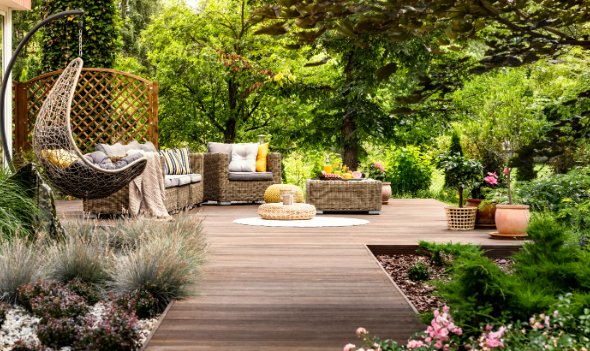
Spring is a time of renewal, making it the perfect season to reassess and revamp your garden layout. With some thoughtful planning, you can create a balanced landscape design that enhances both aesthetics and functionality. Here are some ideas to transform your outdoor space this spring.
1. Create Defined Zones
One way to achieve a balanced garden layout is by creating defined zones. This can help in organizing your space to accommodate various activities, such as relaxing, dining, or growing vegetables. For examples, consider a seating area surrounded by flowering plants, which can serve as a sanctuary for quiet moments.
Furthermore, raised garden beds can act as natural dividers between zones while making it easier to tend to your plants. You could use paths made of gravel or flagstone to connect these distinct areas, ensuring a cohesive flow throughout your garden.
-
- Identify distinct activities for different zones.
-
- Use landscaping features like garden beds and paths to delineate areas.
-
- Add seating in serene locations for relaxation.
-
- Choose plants that complement the theme of each zone.
2. Mix Heights and Textures
An engaging garden design incorporates a variety of plant heights and textures. It’s not enough to plant flowers of the same height; consider layering plants according to their size. Taller plants can provide a backdrop, while shorter ones take center stage, creating a dynamic and inviting visual appeal.
Using a mix of evergreens and deciduous plants can add contrast and maintain interest throughout the seasons. Try pairing fluffy ornamental grasses with spiky succulents, or layering lush foliage with bright blooms to create a garden that’s alive with intrigue.
-
- Choose plants of varying heights to create depth.
-
- Incorporate plants with different leaf shapes and textures.
-
- Consider seasonal changes to maintain visual interest.
-
- Group plants in odd numbers for a more natural look.
3. Incorporate Functional Elements
Your garden should be more than just beautiful; it can be functional too. Incorporating elements like trellises, raised beds, and garden arches not only serves a purpose but also enhances the overall design. For instance, a trellis can support climbing plants while also acting as a focal point that draws the eye.
Water features such as fountains or small ponds can also introduce soothing sounds and attract wildlife, contributing to a balanced ecosystem in your garden. Consider how these elements can be strategically placed to integrate with your seasonal plantings for a cohesive look.
-
- Use trellises or arches to support climbing plants and maximize vertical space.
-
- Integrate water features for visual and auditory appeal.
-
- Incorporate furniture like benches for functional relaxation spots.
-
- Ensure functional elements blend with the overall garden aesthetic.
By following these spring garden layout ideas, you can create a balanced landscape that is not only beautiful but also meets your personal needs. These thoughtful design principles will enrich your outdoor experience, giving you a sense of tranquility and fulfillment as the seasons change.
Now is the time to plan your garden transformation! Consider consulting with a professional landscape designer for personalized advice, or get inspired to start planting. Happy gardening!