
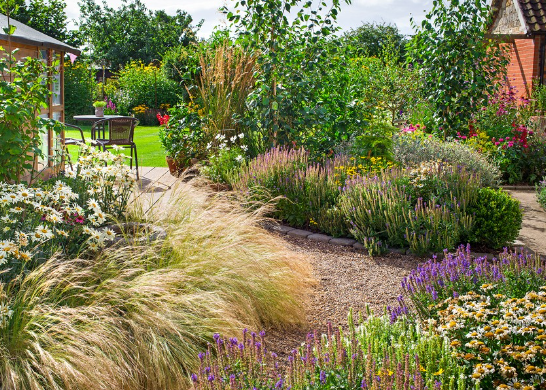
Spring is the perfect time to breathe new life into your garden. With blooming flowers and vibrant colors, it’s an opportunity to create beautiful flower beds paired with inviting natural paths. This blog post will delve into creative garden ideas that will inspire you to cultivate a picturesque outdoor space.
1. Choosing the Right Flower Beds
When planning your spring garden, selecting the right flowers for your flower beds is crucial. Consider climate, soil quality, and the amount of sunlight your garden receives. For instance, if you have a sunny spot, consider planting vibrant annuals like marigolds or petunias that thrive in full sun. Alternatively, for shaded areas, hostas and astilbes provide lush greenery and colorful blooms.
Furthermore, think about layering your flower beds with varying heights to create visual interest. Taller plants, such as sunflowers, can be placed at the back, while shorter flowers, like daisies, can be positioned at the front. Mixing perennials and annuals will also add diversity, ensuring your garden is in bloom from spring through fall.
-
- Assess your garden’s sunlight exposure before planting.
-
- Opt for a mix of annuals and perennials for continuous bloom.
-
- Layer flower heights for added visual appeal.
-
- Incorporate native plants to attract local wildlife.
-
- Regularly check and improve soil quality with compost.
2. Designing Natural Paths
Natural paths enhance your garden’s overall flow and accessibility. These paths can be made with a variety of materials such as gravel, wood chips, or stepping stones to create a harmonious look that blends with nature. A well-designed path not only guides visitors through the landscape but also helps prevent soil compaction in your flower beds.
Consider the layout of your paths. A curvy path often feels more organic and inviting than a straight one. Additionally, strategically placed benches or resting spots along the trail can provide places for contemplation and enjoyment of your surroundings. This personalizes the space and encourages you and your guests to linger and admire your hard work.
-
- Select materials that complement your garden’s style.
-
- Plan for curves instead of straight lines when placing paths.
-
- Use edging stones to keep pathways neat and defined.
-
- Ensure paths are wide enough for comfortable walking.
-
- Add seating areas along the pathways for relaxation.
3. Incorporating Garden Features
Add character to your garden by incorporating features that complement your flower beds and paths. Consider installing a small fountain or bird bath; these not only serve as eye-catching focal points but also attract wildlife and create a soothing ambiance with the sound of water. If you have a larger space, a trellis with climbing plants can create a stunning backdrop for your flower beds.
Additionally, using garden art or sculpture can enhance the visual appeal. Whether it’s whimsical wind chimes, painted rocks, or metal sculptures, these elements can reflect your personality and contribute to the overall aesthetic. Just ensure that they are positioned thoughtfully so that they don’t overcrowd the flower beds.
-
- Choose features that resonate with your personal style.
-
- Position items without obstructing flower bed views.
-
- Use color and texture in garden art to grab attention.
-
- Incorporate water features for aesthetic and wildlife benefits.
-
- Scout local artisans for unique, handmade pieces.
4. Sustainable Gardening Practices
Sustainable gardening practices can enhance your spring flower bed while being eco-friendly. Start by composting kitchen scraps and yard waste to create rich organic material for your soil. This not only enriches the garden but reduces landfill waste, contributing positively to the environment.
Additionally, consider planting a rain garden to manage excess runoff and improve stormwater quality. This involves creating a planted area that collects rainwater, allowing it to infiltrate soil instead of running off. Incorporating native plants in these areas can also attract pollinators, promoting a healthier ecosystem.
-
- Set up a composting system for organic waste recycling.
-
- Plan a rain garden to manage runoff effectively.
-
- Choose organic fertilizers to avoid harmful chemicals.
-
- Rotate crops annually to keep soil healthy.
-
- Consider xeriscaping to reduce water consumption.
5. Seasonal Maintenance Tips
Once your garden is planted, maintaining it throughout the spring is essential for its health and beauty. Regularly check for weeds and pests to keep your plants thriving. Hand-pulling weeds or using natural herbicides can minimize competition for nutrients and water. Mulching around flower beds also helps suppress weeds and retain soil moisture.
Additionally, monitor the watering needs of your plants. Spring weather can be unpredictable, so having a consistent irrigation plan will ensure young plants establish strong roots. A helpful strategy is to water in the early morning or late afternoon to minimize evaporation and ensure deeper watering.
-
- Establish a weekly maintenance routine for your garden.
-
- Use mulch to suppress weeds and retain moisture.
-
- Regularly check for signs of pests and treat promptly.
-
- Water plants deeply and less frequently.
-
- Keep gardening tools organized for efficient maintenance.
As you dive into your spring garden project, remember that creativity and care go hand in hand. Consider these ideas, take actionable steps, and enjoy the process of transforming your outdoor space into a vibrant sanctuary. Whether you’re a novice or an experienced gardener, the possibilities are endless, and your spring garden awaits!