
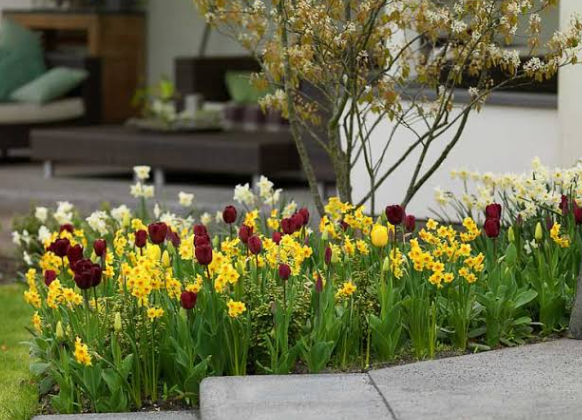
As winter gives way to the vibrant colors of spring, gardens come alive with blooms that signal warmer days ahead. Among the most cherished of spring flowers are tulips and daffodils, known for their bold colors and cheerful presence. Here, we’ll explore creative ideas for incorporating these delightful blooms into your garden this spring.
1. Choosing the Right Tulips and Daffodils
When selecting tulips and daffodils for your garden, consider the climate and specific growing conditions of your area. Tulips come in a variety of shapes, sizes, and colors, ranging from the classic red and yellow to more exotic shades like purple and white. Daffodils also boast a diverse palette, with their distinctive trumpet-like shape serving as a focal point in any garden arrangement. Choosing a mix of early, mid, and late-blooming varieties can create a staggered display of color throughout the spring season.
Additionally, be mindful of the size and height of the plants you choose. Taller tulips, such as the Darwin Hybrid, can serve as stunning background elements, while shorter varieties like Darwin’s ‘Apricot Perfection’ can provide a lovely foreground. Daffodils, with their sturdy stems, are typically excellent companions for tulips in creating layers within your planting beds.
-
- Research local climate zones to identify suitable varieties.
-
- Consider a mix of colors for visual interest.
-
- Choose plants based on height to create an engaging visual hierarchy.
-
- Purchase bulbs from reputable suppliers for quality assurance.
2. Planting Techniques for a Stunning Display
Bulbs should ideally be planted in the fall, about 6-8 weeks before the ground freezes, but you can also plant certain varieties of daffodils in early spring. When planting tulips and daffodils, ensure the soil is well-draining to prevent rot. A depth of two to three times the size of the bulb is recommended, allowing for proper development of roots. Arrange the bulbs in clusters for a more natural look, rather than in straight lines, to mimic the wildflower effect.
Make sure to consider sun exposure when choosing your planting spot. Most tulips and daffodils thrive in full sun but can tolerate partial shade. A border or mass planting in a flowerbed can spotlight these blooms beautifully, providing a vivid contrast to green foliage. Don’t forget to add mulch on top to protect the bulbs during winter and conserve moisture in the spring.
-
- Plant bulbs at the right depth: 6-8 inches for tulips and 5-7 inches for daffodils.
-
- Group bulbs in odd numbers for more natural aesthetics.
-
- Add organic compost to improve soil nutrients.
-
- Water lightly after planting to settle the soil.
3. Companion Planting Ideas
Companion planting can enhance the beauty of tulips and daffodils while also improving overall garden health. One fantastic combination is to plant pansies or violas alongside your bulbs for complementary colors and additional interest. Their low-growing stature allows the tulips and daffodils to take center stage while adding a delightful splash of color at the ground level.
Another great pairing is to use spring perennials like peonies or forget-me-nots. These plants can help fill in the garden space once the tulips and daffodils begin to fade, ensuring that your garden remains visually stunning throughout the season. Consider also planting low-growing herbs, such as thyme or chives, which can provide both culinary benefits and aesthetic appeal.
-
- Choose companion plants that bloom at different times for continuous color.
-
- Consider the height and spread of companion plants.
-
- Use plants that thrive in similar soil and sun conditions.
-
- Add herbs for functional beauty; they can deter pests too.
4. Creating a Maintenance Routine
Caring for your tulips and daffodils is essential for ensuring a bountiful spring display year after year. Post-bloom care is critical; once flowers begin to fade, allow the leaves to remain intact for several weeks. This process, known as photosynthesis, enables the bulbs to store energy for the next blooming season. Be sure to deadhead your flowers to encourage more blooms rather than seed production.
Regular watering is crucial, especially during the growing season, but be mindful not to overwater, as soggy soil can lead to bulb rot. A light application of organic fertilizer as the shoots emerge can also help your tulips and daffodils thrive. Throughout the summer, once the leaves have died back, lift and store the bulbs to ensure their longevity or leave them in the ground if conditions allow.
-
- Water bulbs deeply but infrequently to avoid root rot.
-
- Allow foliage to die back naturally for energy storage.
-
- Fertilize lightly in early spring as shoots emerge.
-
- Store bulbs in a cool, dry place if lifting them after flowering.
Spring gardens offer a wonderful opportunity to enjoy the beauty of tulips and daffodils. With careful planning and maintenance, your garden can become a vibrant sanctuary filled with color. Don’t hesitate to explore different varieties and plant combinations to create the perfect spring display. Embrace the joy of gardening, and let your creativity blossom!