
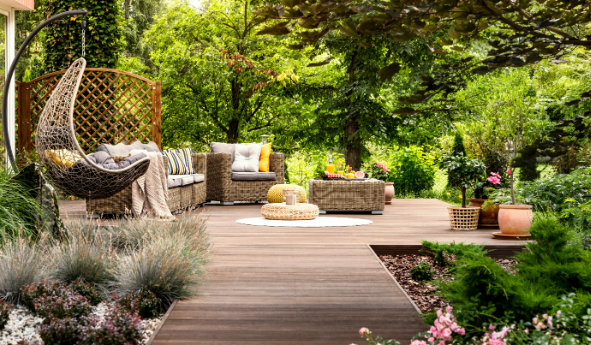
Spring is a delightful time to revitalize your outdoor space, especially if you’re looking for a family-friendly garden that encourages fun, learning, and relaxation. Whether you’re a gardening novice or an experienced green thumb, these ideas will help you create an inviting environment for families to enjoy together.
1. Create a Vegetable Patch
Starting a vegetable patch is an excellent way to engage the whole family in gardening activities. Choose easy-to-grow vegetables such as tomatoes, radishes, or zucchinis that can be planted directly into the ground or in raised beds. Consider involving children in the entire process, from selecting the seeds to watering and weeding, which not only helps them learn but also fosters a sense of responsibility.
Another benefit of a vegetable patch is that it provides fresh produce for your meals, promoting healthy eating habits. You can even create themed nights based on what’s in season. For example, if your tomatoes are ripe, have an Italian night with homemade pizza using your own ingredients!
-
- Choose a sunny location with well-drained soil.
-
- Involve children in picking the vegetables they want to grow.
-
- Use colorful plant markers to encourage learning about each plant.
-
- Set a watering schedule, assigning different family members to ensure it’s done.
2. Designate a Play Area
A designated play area in your garden can be the ultimate family-friendly feature. Consider adding safe, attractive play equipment such as swings, a small climbing frame, or a sandbox. When choosing the equipment, prioritize safety by selecting items with rounded edges and non-toxic materials.
In addition to fixed playground equipment, you could create an expansive green area for games like frisbee or soccer. This encourages physical activity and cooperation among family members. An outdoor chalkboard or a designated art space with natural materials for crafts can inspire creativity in children while they enjoy their outdoor environment.
-
- Choose equipment that suits your children’s age and size.
-
- Create a soft surface with mulch or grass to prevent injuries.
-
- Ensure there’s enough open space for safe, active play.
-
- Incorporate comfort with seating for parents to relax while watching.
3. Add Pollinator-Friendly Plants
Pollinator-friendly plants are crucial for the environment and provide a beautiful, vibrant space in your garden. Choose native flowering plants that attract bees, butterflies, and other pollinators. Lavender, asters, and sunflowers are excellent options that can thrive in many climates. Involving kids in planting these flowers turns gardening into an educational experience about ecosystems.
Creating a habitat for pollinators not only beautifies your outdoor space but also teaches children about the life cycle of plants and the importance of these creatures in our environment. Set up a small area where kids can watch the pollinators at work, enhancing their appreciation for nature and stimulating curiosity.
-
- Research local native plants suitable for your climate.
-
- Choose a mix of flowers that bloom at different times.
-
- Add a small water source like a birdbath to attract more creatures.
-
- Encourage children to observe and journal about the visitors in the garden.
4. Create an Outdoor Learning Space
Transform a corner of your garden into an outdoor learning space where family members can gather to read, study, or do crafts. You can do this by setting up a picnic table covered by a simple gazebo or even an umbrella for shade. This space allows kids to enjoy books or assignments surrounded by nature, making learning much more enjoyable.
Outdoor classrooms can also be a hub for science projects or art lessons, using natural materials from the garden as inspiration. Incorporating nature into education fosters an appreciation for the environment while enhancing cognitive and social skills among children.
-
- Utilize furniture made from sustainable materials.
-
- Create a natural “living wall” using climbing plants for a calming atmosphere.
-
- Incorporate storytelling elements like a cozy reading nook.
-
- Designate specific “nature days” to explore science concepts as a family.
In conclusion, incorporating these spring garden ideas can turn your outdoor space into a thriving, family-friendly environment that educates and entertains. By engaging your family in gardening, play, and learning, you cultivate a strong bond with nature and each other. So grab your gardening gloves, and let the spring planting begin! Consider seeking local gardening resources or community classes to further enrich your family’s gardening experience.