
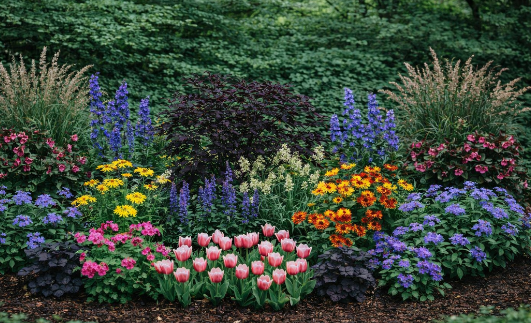
Spring is the perfect time to revitalize your backyard landscape and turn it into a vibrant oasis. With fresh blooms, flourishing greenery, and inviting outdoor spaces, you can create a stunning environment that enhances your home and lifestyle. Here are some creative spring garden ideas that will breathe new life into your outdoor space.
1. Choose the Right Plants
When selecting plants for your spring garden, consider a mix of perennials and annuals to ensure a continuous bloom throughout the season. Perennials such as peonies, lavender, and coneflowers come back year after year, providing a reliable foundation. Adding annuals like impatiens, petunias, and marigolds can offer a vibrant splash of color that you can change up every year.
Additionally, think about your climate zone when choosing plants. Research local nurseries or garden centers to find varieties that thrive in your area. You can also consider incorporating native plants, as they typically require less maintenance and provide habitat for local wildlife.
-
- Visit your local nursery for advice on climate-appropriate plants.
-
- Opt for a combination of perennials and annuals.
-
- Consider getting plants that attract pollinators, like bees and butterflies.
-
- Plant in groups for maximum visual impact.
2. Create Functional Outdoor Spaces
Transform your backyard into an extension of your home by creating functional outdoor areas. Consider adding a patio or deck complete with seating, a dining area, or even an outdoor kitchen. This space can serve as the perfect venue for family gatherings, social events, or even quiet afternoons with a good book.
Another idea is to incorporate elements that encourage relaxation and viewing the beauty of the garden. Adding hammocks, benches, or even a fire pit can create cozy spots for unwinding and enjoying your garden. Plan out your spaces thoughtfully to maintain flow and usability throughout your backyard.
-
- Sketch a layout of your outdoor space before purchasing furniture.
-
- Invest in durable, weather-resistant materials.
-
- Create zones for different activities, like eating, relaxing, and gardening.
-
- Add lighting for ambiance and safety during evening gatherings.
3. Incorporate Vertical Gardening
Vertical gardening is a fantastic solution for maximizing space and adding visual interest. This technique is especially useful if your backyard is limited in square footage. You can use trellises, wall-mounted planters, or even repurpose old pallets to create a stunning vertical garden featuring climbing plants like peas or ornamental vines.
Moreover, herbs and smaller flowering plants can thrive in vertical arrangements. This not only enhances aesthetic appeal but also provides easy access for cooking or snipping fresh herbs while you’re enjoying your garden. A vertical garden can be a unique focal point, adding height and depth to your landscaping.
-
- Choose lightweight containers if using wall planters.
-
- Select plants that naturally climb or cascade.
-
- Consider herbs for easy access while cooking.
-
- Ensure there’s adequate sunlight and water for your vertical garden.
4. Add Hardscaping Elements
Integrating hardscaping into your garden enhances structural appeal and functionality. Features such as pathways, patios, or borders can delineate different areas and provide access throughout your landscape. Choose materials that complement your home’s architectural style, whether that’s natural stone, pavers, or gravel.
Incorporating water features, like fountains or ponds, can also add tranquility and attract wildlife to your garden. The sound of running water can create a peaceful atmosphere, while also serving as a cooling feature during warmer months. Make sure to consider maintenance when adding these elements, ensuring they fit with your lifestyle.
-
- Decide on a consistent materials palette for cohesiveness.
-
- Use paths to lead guests through the garden to key areas.
-
- Consider the maintenance needs of any water features you add.
-
- Incorporate seating areas near hardscaping for functionality.
5. Implement a Sustainable Approach
Sustainability is key in modern gardening practices. To create an eco-friendly garden, opt for organic practices, including natural pest control and composting. This not only benefits the environment but can also result in healthier plants and produce.
Collect rainwater in barrels or install a rain garden to manage drainage and water your plants sustainably. Using native plants, as previously mentioned, helps reduce the need for fertilizers and pesticides, as they are already adapted to your local conditions. This approach ensures that your spring garden remains vibrant and thriving for years to come.
-
- Research organic pest control options to protect your garden.
-
- Start a compost bin for nutrient-rich soil amendments.
-
- Use rain barrels to collect water for irrigation.
-
- Prioritize planting native species for lower maintenance.
Revamping your backyard landscape for spring is an exciting project filled with possibilities. Whether you’re diving into creating vibrant flower beds, functional spaces, or eco-friendly gardens, every effort contributes to a freshened outdoor haven. So roll up those sleeves, and start planning your spring garden today!