
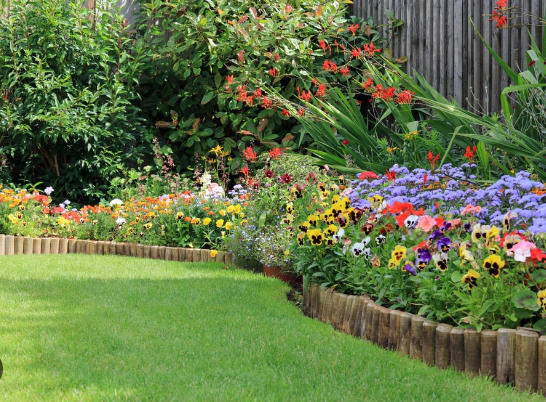
Spring is a magical time in the garden, where life begins to bloom and colors re-emerge after a long winter. A well-designed garden not only showcases your plants but also benefits from creative garden edging that adds structure and visual appeal. Here are some innovative ideas to help you create a stunning spring garden this year.
1. Natural Stone Edging
Natural stone edging brings an organic look to your garden, complementing the beauty of your plants while creating defined borders. This type of edging can vary in size and shape, from smooth river stones to rugged slate. For a warm, rustic ambiance, using larger stones can frame flower beds beautifully. Additionally, natural stone is durable and requires minimal maintenance, making it a practical choice for long-term garden design.
To create a stone edge, first, level the ground where you want the edging to sit, ensuring it flows with the natural topography of your garden. Then, arrange the stones in a way that complements your plantings and existing landscape features. Fill in any gaps between the stones with soil or smaller pebbles to create a seamless integration with the garden.
-
- Choose stones that match or complement your existing landscape.
-
- Consider varying stone sizes for a more natural feel.
-
- Place the edging at a slight angle for a more dynamic appearance.
-
- Avoid cement, as natural edges generally look more appealing.
2. Wooden Timbers for a Rustic Touch
Using wooden timbers as garden edging offers a warm and rustic charm that resonates well in any outdoor space. Timber can be cut into various lengths and heights, allowing for creativity in layering and design. It not only defines spaces but can also act as a retaining wall, keeping soil in place if you have raised garden beds. To enhance the longevity of wood, consider using rot-resistant options like cedar or redwood.
To install wooden timbers, create a trench where you want the border to sit. Then, firmly position the timbers into the ground, ensuring they are level and securely anchored. Once installed, paint or stain them if desired, and periodically check for weathering to maintain their attractive appearance.
-
- Choose treated timber to resist decay.
-
- For a cohesive look, match the timber with your home’s wood features.
-
- Use L-brackets for added stability in high-wind areas.
-
- Plan a staggered layer effect for visual interest.
3. Recycled Material Edge Designs
Incorporating recycled materials for garden edging not only reduces waste, but also brings a unique style to your outdoor space. By using reclaimed bricks, tiles, or even glass bottles, you can create eye-catching designs that are also environmentally friendly. This approach allows for creative expression, as you can explore patterns, colors, and textures that enhance the aesthetics of your garden.
To implement recycled edging, collect materials that fit your vision, and clean them thoroughly. Lay out the pieces in your garden to visualize how they will fit together before securing them in place. Ground them with soil or sand to keep them stable, and consider filling the gaps with ornamental stones or soil to complete the look.
-
- Visit local reclamation yards for unique finds.
-
- Mix colors and textures to create a focal point.
-
- Ensure any broken edges are smooth for safety.
-
- Research local recycling options for materials.
4. Metal Edging for a Modern Flair
For a sleek, modern look, consider using metal edging in your garden design. Available in various finishes like steel, aluminum, or copper, metal edging can enhance any contemporary landscape with its clean lines. Metal borders not only define spaces but also resist fading, rust, and damage, making them an excellent long-term investment for your garden.
Installing metal edging is a straightforward process. Simply mark out your desired shapes, dig a shallow trench, and insert the edging directly into the soil. Some metal options come with connectors to ensure that they stay in place, providing a secure and structured border. To keep your edges sharp, regularly check for any shifting and realign if necessary.
-
- Choose a rust-proof alloy to enhance durability.
-
- Consider using corten steel for a weathered look.
-
- Ensure the edging is stable and visually cohesive with your plants.
-
- Use stakes for extra support, especially in windy areas.
With these creative garden edging ideas, your spring garden can become a vibrant and welcoming space. Whether you lean towards natural, rustic, recycled, or modern styles, adding defined edges can significantly enhance your outdoor aesthetic. Take time to plan and experiment, and feel free to consult a gardening professional for further inspiration or guidance.