
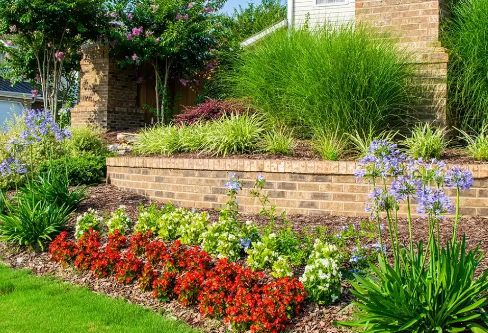
Spring is the perfect time to inject color and life into your garden with perennial plants. These flowers not only bring vibrancy but also come back year after year, making them a sustainable choice for enthusiasts looking to enhance their outdoor spaces.
1. Selecting the Right Perennials for Your Garden
Choosing the right perennial plants for your garden can make all the difference in achieving a stunning display. Some popular options include coneflowers, daylilies, and black-eyed Susans, each boasting vibrant colors and easy maintenance. Consider your climate zone, available sun, and soil type when selecting plants, as these factors will influence their growth and blooming potential.
To ensure a diverse and colorful garden, group perennials based on their blooming time. This way, you can create a garden that offers color from early spring to late fall. For instance, pairing spring-blooming plants like tulips with summer stalwarts like dahlias gives your garden year-round appeal without needing constant replanting.
-
- Research climate compatibility for each plant.
-
- Opt for varieties that bloom at different times.
-
- Check soil pH and improve it if necessary.
-
- Group plants based on sunlight requirements.
2. Designing with Color Schemes
When it comes to garden layout, employing different color schemes can create a striking visual impact. Consider color theory; complementary colors like yellows and purples can create dynamic arrangements, while analogous colors such as blues and greens offer a soothing look. This can guide your choices when arranging plants to achieve the desired aesthetic throughout your garden.
Don’t forget to think vertically! Use taller perennials like delphiniums at the back of the bed to support smaller plants in front. Mixing plants with varying heights will enhance visual interest and ensure that colorful blooms don’t compete for attention. Layering also allows for more blooms to be visible at eye level.
-
- Choose plants with complementary colors.
-
- Incorporate varying heights for visual appeal.
-
- Utilize pathways to highlight specific color sections.
-
- Experiment with color combinations through sketches or models.
3. Maintaining Your Colorful Perennial Garden
Maintaining a colorful perennial garden not only ensures it thrives but also enhances bloom time and vigor. Regular watering is crucial but avoid waterlogged conditions by ensuring proper drainage. Mulching around your plants can help retain moisture and suppress weeds, which allows your perennials to shine without competition.
Pruning is another essential maintenance technique. Remove dead flowers (deadheading) to encourage new blooms and cut back plants in late fall to prepare them for winter. Regular inspections for pests can also prevent damage to your beautiful flowers, ensuring their color and vibrancy remain intact season after season.
-
- Water regularly but monitor the soil’s moisture level.
-
- Apply mulch to conserve moisture and deter weeds.
-
- Deadhead spent blooms for prolonged flowering.
-
- Inspect plants weekly for pests or diseases.
The arrival of spring announces a beautiful opportunity to fill your garden with colorful perennials. By carefully selecting plants, designing smartly with color schemes, and maintaining your garden, you can create a vibrant space that will be the envy of your neighborhood. Start planning your garden today and unleash your creativity! Consult gardening resources or professionals if you need additional guidance to kickstart your project.