
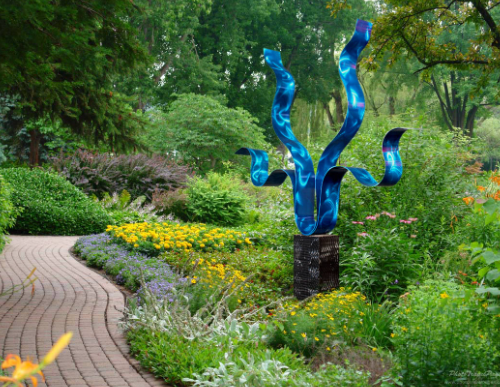
Spring is the perfect time to bring your garden to life, and what better way to enhance its beauty than with artistic garden sculptures? These pieces not only serve as beautiful focal points but also add personality and charm to your outdoor space.
1. Incorporating Themes with Sculptures
Themes can tie different elements of your garden together, creating a cohesive look. Consider sculptures that align with a specific theme, such as nature, mythology, or even contemporary art. For example, if you have a wildlife theme, a sculpture of a bird or a butterfly can enhance the natural experience of the garden, making it feel more integrated into its surroundings.
When selecting sculptures for your theme, think about the materials and colors that will complement the plants and garden decor. For instance, a soft stone finish can blend well with a lush green backdrop, while a bright, shiny metal piece can create a stunning contrast. Take your time choosing pieces that will resonate with you and invite visitors to engage with your garden.
-
- Define your garden’s theme before selecting sculptures.
-
- Consider materials that will stand up to the weather.
-
- Choose colors that complement your existing plants and decor.
-
- Plan for scale; a large piece may overpower a small garden.
-
- Visit local art fairs for unique finds.
2. Positioning Sculptures Strategically
The placement of your sculptures can dramatically impact the overall feel of the garden. Think about visibility and accessibility when deciding on locations. A sculpture in a focal point, such as a garden path or at the end of a vista, catches the eye and can lead visitors through the space. Creating layers with smaller sculptures nestled among plants can create visual interest and depth.
Consider the sunlight and shadows that will change throughout the day. Placing sculptures in areas that catch morning sun or evening light can create beautiful effects that change with the seasons. Avoid placing them in overly shaded areas where they could be overlooked. Remember that your garden is a living space, encourage exploration and discovery!
-
- Identify natural sight lines and place sculptures along them.
-
- Use smaller sculptures to enhance flower beds or borders.
-
- Consider the sun to highlight sculptures with natural lighting.
-
- Avoid overcrowding; allow plants and sculptures to complement each other.
-
- Walk through your garden to find ideal placement before settling.
3. Choosing the Right Size and Scale
Size matters when it comes to garden sculptures, and choosing the right piece can create harmony within your outdoor space. Oversized sculptures can serve as dramatic statements, while delicate pieces can add subtlety to smaller areas. If you have a large garden, a monumental piece can anchor the space, while smaller gardens benefit from more intimate art installations.
Measure your garden space and consider how far away viewers will be when observing the sculpture. A piece that looks impressive up close may appear lost in a wide-open space. Conversely, a small sculpture may need to be placed in a cluster of plants to be appreciated. Always keep balance and proportion in mind to create a unified look.
-
- Measure your garden space beforehand.
-
- Think about the distance from which sculptures will be viewed.
-
- Play with height; taller sculptures can draw the eye upward.
-
- Avoid pieces that visually weigh down the space.
-
- Consider arrangements of multiple smaller pieces for dynamic effects.
4. Seasonal Considerations for Maintenance
As the seasons shift, so does the care required for your sculptures. In spring, after the winter thaw, inspect your sculptures for weather-related damage, such as cracks or fading paint. If your sculptures are made of materials like metal or stone, consider applying a protective sealant to extend their longevity and vibrancy.
During the blooming seasons, be mindful of debris and organic growth around the base of your sculptures. Keeping the surrounding area tidy not only enhances the aesthetic appeal but also prevents moisture buildup that could cause damage. Regular maintenance will ensure your artistic pieces remain beautiful year-round.
-
- Inspect sculptures for wear and tear after winter.
-
- Apply protective coatings as necessary for weatherproofing.
-
- Keep the surrounding area clear of debris.
-
- Regularly clean with appropriate materials to avoid damage.
-
- Check for stability, especially in high winds.
Embracing artistic garden sculptures can transform your outdoor space into a vibrant spring retreat. With thoughtful planning and creativity, you can curate a beautiful garden that reflects your personal style. Start exploring your options today, and consider consulting with a local artist or garden designer to bring your vision to life!