
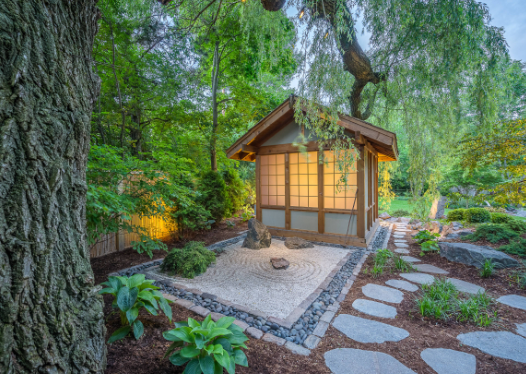
Spring is a time for renewal, and there’s no better way to embrace this season than by transforming your garden into a serene retreat. Creating a landscape that radiates calm can enhance mental well-being and provide a sanctuary from the bustle of daily life.
1. Choosing Soothing Color Palettes
The colors you select for your garden can significantly impact the ambiance of the space. Soft pastels such as pale blues, soft purples, and muted greens evoke a peaceful feeling. Consider planting varieties like lavender, which brings both color and a calming scent. You could also opt for pastel-colored annuals like pansies or sweet alyssum to create a harmonious scene.
Combining various shades and textures is essential. Aim for layering plants with different heights and foliage textures to add depth. By using a limited color palette, the garden feels unified and tranquil. You might include white roses or hydrangeas, which can serve as focal points, contrasting beautifully with softer shades around them.
-
- Choose plants with calming hues like pale blue, lavender, and soft green.
-
- Incorporate a variety of textures with foliage to keep visual interest.
-
- Plant in clusters rather than solitary specimens for a cohesive look.
-
- Use white flowers as focal points to balance pastel shades.
2. Creating Tranquil Water Features
Incorporating water features can elevate the serenity of your garden. The sound of trickling water is inherently soothing and can create a calm atmosphere that draws you outside. Whether it’s a small fountain or a tranquil pond, these elements can attract wildlife and enhance the natural ecosystem of your backyard.
Moreover, positioning your water feature in a shaded area can create a perfect spot for relaxation. Add surrounding stones, gravel, or pavers to frame the feature and make it more visually appealing. Planting aquatic plants like water lilies or even some submerged plants can help keep the water clear and enhance the aesthetics.
-
- Consider adding a small fountain for soothing water sounds.
-
- Position water features in shaded areas to create a cool retreat.
-
- Surround the water feature with stones or gravel for a polished look.
-
- Include aquatic plants to maintain water clarity and beauty.
3. Designing Relaxation Zones
Creating designated relaxation zones in your garden can enhance its peacefulness. Think about adding comfortable seating or hammocks that invite relaxation. Utilizing natural materials such as wicker or wood will help your seating blend seamlessly into your landscape.
Also, consider shade elements like pergolas or cloth canopies that provide some shelter from the sun. These zones can be adorned with soft cushions and throw blankets to encourage leisurely afternoons spent outside. Introducing scented plants around these areas, such as jasmine or gardenias, can deepen the calming experience with their aromatic properties.
-
- Add comfortable seating or a hammock for relaxation.
-
- Use natural materials for seating to blend with the landscape.
-
- Incorporate sheltered spaces to escape the sun during hot days.
-
- Plant fragrant flowers around these areas for an aromatic experience.
4. Incorporating Native Plants
Utilizing native plants in your garden not only supports local wildlife but also creates a low-maintenance landscape that requires less water and care. These plants are adapted to your climate, making them resilient and able to thrive in their natural environment. Native flowers like coneflowers or black-eyed Susans can provide pops of color while attracting butterflies and bees.
Choosing plants that naturally occur in your area also supports a balanced ecosystem, fostering biodiversity. Moreover, native plants typically require less fertilizer and pesticide, making them a friendly choice for both you and the environment. They can help create a peaceful sanctuary that enhances your connection to nature.
-
- Select native plants that suit your local climate and soil.
-
- Research their bloom times for continuous color throughout spring.
-
- Use native plants to attract local wildlife beneficial for your garden.
-
- Reduce maintenance by choosing plants suited to your environment.
5. Implementing Mindful Gardening Practices
Mindfulness can be cultivated in your gardening routine by engaging with nature intentionally. Take time to notice the changes in your plants, soil, and landscape throughout the season. This awareness can lead to a deeper appreciation for your garden and foster a sense of tranquility.
Setting aside moments to meditate or practice yoga surrounded by your plants can further enhance the calming atmosphere. Consider creating a dedicated space with yoga mats or cushions, where you can connect with nature while promoting your physical and mental health. Engaging multiple senses by touching the soil, smelling the flowers, and listening to the birds can transform the gardening experience.
-
- Dedicate time each week to observe changes in your garden.
-
- Create a mindfulness practice that includes meditation or yoga outdoors.
-
- Engage your senses by interacting with different plants and their environments.
-
- Reflect on your gardening journey to enhance appreciation for the process.
Spring is the perfect time to create a calm and peaceful garden space that rejuvenates both mind and spirit. By implementing these thoughtful design ideas, your landscape can transform into a blissful retreat. Take the first step today—whether it’s choosing plants or breaking ground on a new water feature—and enjoy the peacefulness that a well-designed garden can bring.