
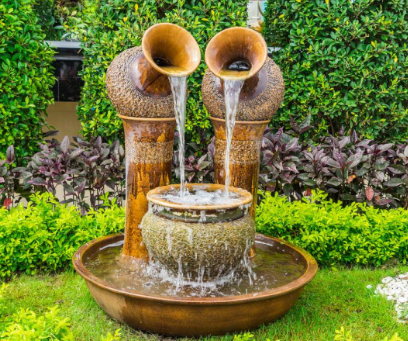
As spring arrives, many of us begin to dream of lush gardens blooming with vibrant colors and soothing sounds. One of the most enchanting ways to enhance your outdoor space is by incorporating decorative garden fountains. These charming features not only add visual appeal but also create a serene atmosphere perfect for relaxation and contemplation.
1. Choosing the Right Fountain for Your Garden
Selecting a garden fountain that suits your style and space is crucial. Consider the size of your garden; a large, ornate fountain can serve as a stunning focal point in an expansive yard, while a smaller, minimalist design might fit better in a cozy patio. Material is also important—choose from stone, ceramic, or metal fountains depending on your preferred aesthetic and the climate of your area.
Another factor to keep in mind is the sound and flow of water. There are many design options, from cascading waterfalls that provide a gentle trickle to bubbling fountains that create a lively splash. Think about how these sounds will complement your garden and what mood you wish to cultivate.
-
- Measure your space before selecting a fountain.
-
- Choose materials that suit your local weather.
-
- Consider the height and flow of water.
-
- Look for a design that enhances your garden’s style.
-
- Check for installation requirements.
2. Integrating Plants and Flowers with Your Fountain
Enhancing your fountain with a variety of plants can create a harmonious and inviting environment. Choose plants that thrive in similar conditions to your fountain, especially if it’s in a sunny or shaded area. Surrounding your fountain with colorful flowers can draw the eye and provide a beautiful contrast to the water feature itself, creating a mini-ecosystem filled with life.
Consider incorporating water-loving plants such as ferns, irises, or water hyacinths around the base of your fountain. Not only do these plants complement the water feature, but they also help create a balanced moisture level in the nearby soil. Additionally, try grouping plants in odd numbers to create a more natural look and avoid cluttering the area.
-
- Choose plants that match the sunlight and water needs.
-
- Use odd-numbered groups for a natural look.
-
- Incorporate trailing plants for added drama.
-
- Rotate flowers seasonally for year-round appeal.
-
- Ensure plants won’t block the fountain’s visibility.
3. Lighting Ideas to Illuminate Your Fountain
Lighting plays a crucial role in showcasing your garden fountain, especially as day turns to twilight. Strategically placed lights can highlight the water’s movement and create a magical ambiance. Consider submerged LED lights in the fountain for a glowing effect, or install spotlights positioned to cast enchanting shadows on nearby foliage.
Solar-powered lights are a fantastic option, especially if accessibility to electricity is limited. They charge during the day and automatically illuminate at night, requiring no additional effort on your part. Remember to think about the placement; lights should be angled to enhance the waterfall or spray without causing glare.
-
- Use underwater lights for a glowing effect.
-
- Incorporate solar-powered options for ease.
-
- Position spotlights to create beautiful shadows.
-
- Select warm-toned lights for a cozy feel.
-
- Adjust lighting angles to showcase the fountain’s features.
4. Seasonal Maintenance for Your Fountain
Keeping your fountain in peak condition is vital for both aesthetics and function. In spring, clean out any debris that has accumulated over the winter, ensuring the water supply is clear. If your fountain has a pump, inspect it regularly to prevent any blockages that could affect the water flow and pressure.
Checking the water level is another important step, especially during warmer months. Adding a water conditioner can help reduce algae growth, keeping your fountain looking clean and vibrant. Finally, consider winterizing your fountain if you live in a region that experiences freezing temperatures, which helps prevent cracks and damage to your fountain’s structure.
-
- Inspect and clean your fountain each spring.
-
- Monitor water levels regularly, especially in hot weather.
-
- Add water conditioner to prevent algae growth.
-
- Consider winterizing your fountain in colder months.
-
- Check pump functionality to maintain water flow.
Incorporating a decorative garden fountain into your spring garden is a wonderful way to enhance your outdoor experience. By choosing the right fountain, integrating plants, employing strategic lighting, and committing to seasonal maintenance, you can create an enchanting focal point that rejuvenates your garden. Start exploring the options available, and transform your space into a soothing oasis where you can enjoy the beauty of nature all spring long.