
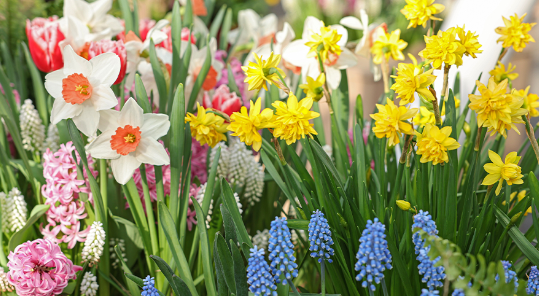
Spring is the perfect season to rejuvenate your garden and bring vibrancy back to your outdoor space. With various options for blooming flower beds, this is the time to create a stunning display of colors and fragrances. Here are some spring garden ideas that can transform your garden into a blossoming paradise.
1. Choosing the Right Spring-Blooming Flowers
When selecting flowers for your spring garden, consider native plants that thrive in your region. Tulips, daffodils, and hyacinths are classic choices that not only bring color but also attract pollinators like bees and butterflies. Additionally, there are many varieties to choose from, providing you with options for taller or more compact flowers to suit your space.
Another consideration is the bloom time of these flowers. For a continuous display, you might choose early bloomers like crocuses that pop up as soon as winter bids farewell, followed by mid-spring bloomers like peonies. Mixing bloom times ensures your flower bed remains enchanting from early spring until late spring.
-
- Research native flowers for your area.
-
- Mix early, mid, and late bloomers for continuous color.
-
- Consider heights and colors for visual interest.
-
- Take note of sun and shade requirements.
2. Designing Flower Bed Layouts
Creating an effective flower bed layout begins with understanding your garden’s shape and the sunlight it receives. A well-planned layout not only enhances beauty but also improves the growth of your plants. Consider a tiered arrangement where taller plants stand in the back and shorter ones in the front, allowing all plants to be visible and receive ample sunlight.
Additionally, grouping plants with similar water and light needs can help simplify maintenance and enhance the health of your flower bed. You might also experiment with borders using stones or decorative fencing to define your flower bed’s shape while boosting aesthetic appeal.
-
- Sketch out your flower bed design before planting.
-
- Use a mix of shapes and sizes for visual texture.
-
- Ensure taller plants do not shade shorter ones.
-
- Incorporate paths or edging for accessibility.
3. Maintaining a Healthy Spring Garden
Regular maintenance is crucial for keeping your spring flower beds looking their best. Early in the season, inspect your plants for any signs of disease or pest issues; this can help catch problems before they spread. Also, engage in routine mulching to retain moisture and suppress weeds in your beds.
Another important aspect of maintenance is watering. Spring may bring varying temperatures, so it’s essential to monitor soil moisture, especially after planting new blooms. Aim for consistent watering practices, providing about an inch of water per week, adjusting according to weather conditions.
-
- Inspect plants weekly for pests and diseases.
-
- Apply mulch to retain moisture and reduce weeds.
-
- Water consistently, adjusting for rain and heat.
-
- Fertilize early bloomers to promote growth.
4. Incorporating Seasonal Accessories
Enhancing your spring flower beds with seasonal accessories can instantly elevate your garden’s aesthetic. Consider adding decorative elements like birdbaths, sculptures, or garden lights that can create a charming focal point. These accessories not only add character but also provide functional benefits, like attracting birds to help with pest control or illuminating your garden for evening enjoyment.
Additionally, seasonal decorations like colorful planters or flower pots can complement your blooms and add a pop of color. Using materials that blend seamlessly with your garden, such as terracotta or natural stone, can keep a harmonious look without overwhelming the natural beauty of your flowers.
-
- Select accessories that complement your flower colors.
-
- Change decorations seasonally for variety.
-
- Incorporate functional elements like seating or lighting.
-
- Place items at varying heights for added interest.
5. Planning for Future Seasons
While spring brings a burst of life, planning for future seasons is essential for a year-round beautiful garden. As your spring blooms fade, consider what perennials may take their place in the summer or fall. Plants like daylilies and sedums can offer continued color once spring blooms have finished, thus extending the overall appeal of your flower bed.
Additionally, don’t hesitate to think about autumn planting—that’s when many spring-blooming bulbs should be planted in preparation for the next growth cycle. Planning ahead not only saves time but can also help in ensuring a seamless transition of blooms throughout the year.
-
- Research plants that bloom in summer and fall.
-
- Consider planting bulbs in the fall to prepare for spring.
-
- Document your garden’s performance for future improvements.
-
- Rotate plant selections each year for diverse blooms.
With thoughtful planning and a little care, your spring garden can flourish beautifully. Don’t hesitate to explore new flower varieties and creative layouts to make your space truly yours. Now is the time to dig in, get your hands dirty, and enjoy the process of cultivating a vibrant outdoor oasis.