
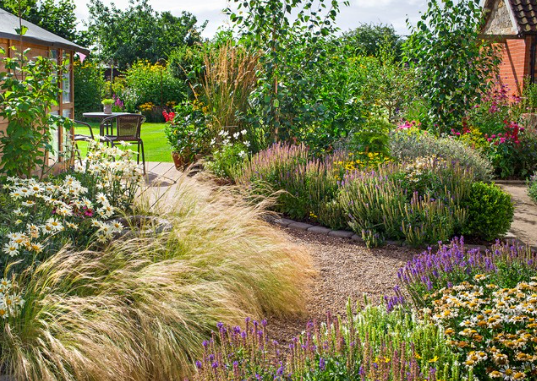
Spring is the perfect time to refresh your garden, and raised flower beds are an excellent option for both novice and experienced gardeners. Not only do these beds improve drainage and soil quality, but they also provide the opportunity to create stunning visual displays of flowers. Let’s explore some innovative raised flower bed designs that can elevate your spring garden.
1. Classic Wooden Raised Flower Beds
Wooden raised flower beds are a timeless choice for gardeners looking to enhance their planting space. They can be customized in size and shape to suit any garden layout while providing a rustic charm. Moreover, untreated wood or cedar is ideal as it resists rot naturally and is safe for growing edibles. When building these beds, consider elevating the sides with wheels for ease of movement and versatility.
To create a classic wooden raised flower bed, start by selecting a sunny location where your flowers will thrive. Measure the dimensions according to your desired size, then secure the wood with nails or screws. Make sure to line the bottom with landscape fabric to prevent weeds while allowing excess water to drain away effectively. Lastly, fill the bed with a high-quality soil mix enriched with compost.
-
- Choose untreated or cedar wood for durability.
-
- Consider adding wheels for mobility.
-
- Line the bottom with landscape fabric.
-
- Use a mix of soil and compost for better growth.
2. Tiered Raised Flower Beds
Tiered raised flower beds can transform a standard yard into a horticultural delight by adding depth and dimension. This design is particularly beneficial for sloped landscapes, allowing you to level the beds while maximizing planting space. By incorporating various heights, you can create a natural cascading effect that is visually appealing and practical for plant care.
To build tiered raised flower beds, establish a tiered layout that slopes gently downwards. Use stones or bricks as retaining walls before filling with soil and planting flowers suitable for each level. This design not only accommodates diverse plants but also facilitates easier maintenance, as you can reach each tier without much bending over. Consider planting trailing plants on upper tiers to drape over the edges and soften the overall look.
-
- Design a gentle slope for tiers.
-
- Use stones or bricks for strong walls.
-
- Select plants based on the height of each tier.
-
- Ensure easy access for maintenance.
-
- Incorporate trailing plants for added aesthetics.
3. Stylish Corner Raised Flower Beds
Corner raised flower beds utilize often-overlooked garden spaces, turning them into vibrant showcases. These beds can be designed to fit snugly into a corner of a patio or yard, creating a defined area for luscious flowers that greet you as you enter. Corner beds can be circular, L-shaped, or even pentagonal depending on your design preference.
To create stylish corner raised flower beds, start by outlining the shape you desire with stakes and string. Once marked, dig out the area and build a sturdy frame with wood, stone, or brick that matches your garden aesthetic. Fill the bed with high-quality soil and a mix of colorful flowers to draw attention. For an added touch, consider incorporating decorative stones or garden art pieces within or around the flower bed.
-
- Utilize stakes and string to mark your shape.
-
- Choose materials that complement your garden style.
-
- Fill with nutrient-rich soil and flowers of varying heights.
-
- Add decorative elements for visual interest.
4. Vertical Raised Flower Beds
For gardeners with limited space, vertical raised flower beds offer a brilliant solution that maximizes area without compromising variety. These beds utilize vertical gardening techniques, allowing you to grow flowers, herbs, and even small vegetables in an upward fashion. The design can be as simple as stacked pallets or a more elaborate DIY trellis that showcases beautiful blooms and green foliage.
To construct vertical raised flower beds, build a sturdy frame or use pre-made vertical planters filled with soil. Plant a mix of climbing flowers like sweet peas, morning glories, or even strawberries to create an eye-catching display. Ensure that each plant has enough sunlight and support as they grow. Maintaining a vertical garden can be easier, as you won’t need to bend down as much to care for your flowers.
-
- Choose suitable climbing plants for vertical growth.
-
- Ensure good sunlight exposure for all levels.
-
- Use sturdy materials like pallets or trellises.
-
- Regularly check for pests and health of plants.
5. Edible and Ornamental Raised Beds
Combining edibles and ornamental flowers in a raised flower bed can create a diverse and functional garden that delights the senses. This design allows you to enjoy vibrant flowers alongside fresh produce in a compact space. Incorporating herbs, such as basil or thyme, amongst colorful flowers not only enhances flavor but also encourages pollinators.
To create an edible and ornamental raised bed, start by selecting a mix of flowers and edible plants that grow well together. Arrange taller flowers in the back and shorter ones in front to create depth. Consider adding a small trellis for climbing plants like peas or nasturtiums. This design is not only beautiful but will also yield delicious produce throughout the spring and summer months.
-
- Choose flowers that attract pollinators.
-
- Arrange plants by height for aesthetic appeal.
-
- Add a trellis for vertical growth of edibles.
-
- Ensure soil is rich in nutrients to support a variety of plants.
In conclusion, raised flower beds are a fantastic way to enhance your spring garden while providing you with both beauty and functionality. Whether you’re opting for classic wooden designs, tiered structures, or vertical gardens, there’s a style to suit every garden enthusiast’s needs. Start planning your spring garden today and enjoy the rewards of your hard work this growing season!