
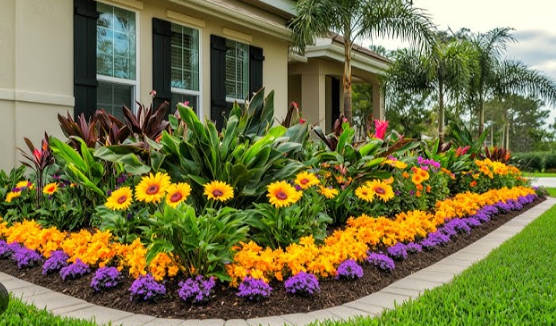
Spring is the perfect season to rejuvenate your garden with vibrant colors and fresh blooms. One fantastic way to achieve an eye-catching garden display is by using colorful garden planters. These planters not only enhance your garden’s aesthetic appeal but also provide functional benefits for your plants. In this blog post, we’ll explore some beautiful spring garden ideas utilizing colorful planters to create a lively outdoor space.
1. Choosing the Right Planters for Your Space
When selecting planters, consider the size of your garden and the types of plants you want to incorporate. Larger planters work well for big statement plants like ornamental grasses or small trees, while smaller pots can showcase vibrant annuals or herbs. Opt for materials such as ceramic, plastic, or wood, as each offers unique benefits like durability or insulation. Remember to match the planter colors with your garden’s overall theme for a cohesive look.
Another important factor is drainage. Ensure that your planters have adequate drainage holes to prevent root rot and promote healthy growth. Additionally, consider the weight of the planters, especially if you’re placing them on balconies or patios. Lightweight options can be easily moved, allowing you to experiment with different arrangements until you find your ideal setup.
-
- Assess your garden space and plant types.
-
- Choose materials: ceramic, plastic, wood.
-
- Consider color schemes that complement your garden.
-
- Ensure planters have drainage holes.
-
- Check the weight of planters for mobility.
2. Creating Layered Plant Displays
Layering your plants in colorful planters adds depth and visual interest to your garden. Use varying heights and sizes of planters to create a dynamic effect. For instance, you can place a large red ceramic planter with a tall sunflower in the center, surrounded by medium-sized planters filled with fragrant lavender and petite blue lobelia. This contrast of colors and heights draws the eye and invites visitors to explore your garden.
Moreover, think about seasonal blooms. Incorporate plants that flower at different times throughout the spring to ensure continuous color. Daffodils and tulips can provide early spring pops of yellow and purple, while later-season blooms like petunias and geraniums can fill in with more vibrant hues. Mixing perennials with annuals can also enhance and extend your garden’s flowering season.
-
- Use planters of varying sizes and heights.
-
- Choose a mix of colors for bright displays.
-
- Incorporate seasonal blooms for continuous color.
-
- Mix perennials with annuals for longevity.
-
- Consider placement for optimal sunlight exposure.
3. DIY Colorful Planter Ideas
For those who love a hands-on project, creating your own colorful planters can be a rewarding experience. You can paint existing pots with vibrant hues or even try methods like decoupage to achieve a unique design. Use non-toxic outdoor paint or sealant to ensure longevity and durability against weather conditions. This personalization allows you to express your creativity and perfectly match your garden’s style.
Another fun DIY option is to create tiered planters using wooden pallets or stacked terracotta pots. These structures not only add height and interest but also maximize your plant-growing space. Paint the planters in coordinating shades to maintain a colorful yet organized look that can be a conversation starter in your garden.
-
- Use non-toxic outdoor paints for planters.
-
- Consider decoupage for unique designs.
-
- Create tiered planters for added height.
-
- Choose colors that match your garden theme.
-
- Involve family or friends for a fun DIY day.
4. Seasonal Plant Rotation for Diverse Displays
To keep your garden looking fresh throughout the spring, consider rotating your plants seasonally. Start with hardy spring bloomers like pansies and primroses, then transition to vibrant summer blooms like begonias and marigolds. This approach not only keeps your garden colorful but also allows you to experiment with different flower combinations in your planters. Each season brings a chance for new aesthetics and creativity.
Furthermore, consider the growth habits of your plants. Taller plants should be placed towards the back of larger planters, while trailing plants, such as ivy or trailing petunias, can spill over the edges, creating a cascading effect. This layered arrangement also enables all plants to receive adequate sunlight while enhancing visual appeal.
-
- Plan a seasonal rotation to maintain color.
-
- Combine growth habits: tall, medium, and trailing.
-
- Experiment with different plant combinations.
-
- Research hardiness zones for optimal blooms.
-
- Maintain a garden journal to track your successes.
Spring is a magical time to breathe new life into your garden with colorful planters. Whether you choose to buy or create your own, the possibilities are endless. So grab your gardening tools, select your favorite plants, and enjoy creating a vibrant outdoor paradise that you can cherish throughout the season!