
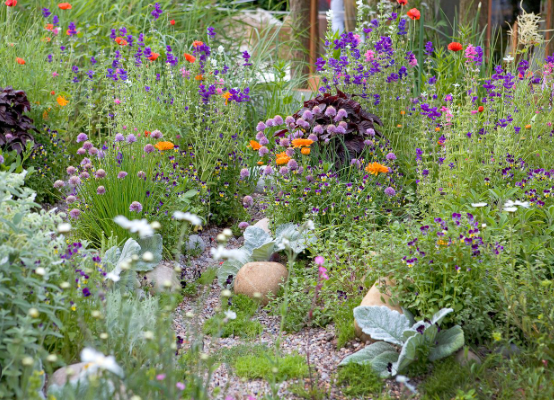
Spring is the perfect time to revitalize your garden and create a serene outdoor space. Adding gravel paths can enhance the beauty and functionality of your garden while providing your plants with the right environment to flourish. In this post, we’ll explore creative spring garden ideas that incorporate gravel garden paths, making your outdoor space both practical and beautiful.
1. Choosing the Right Gravel
The foundation of your gravel path is crucial, as it determines not only the aesthetic appeal but also the longevity and usability of the path. Popular options include crushed stone, river rock, or decomposed granite. Each material offers unique visual characteristics; for instance, crushed stone provides a more rustic appearance while river rock gives a smoother finish.
In addition to aesthetics, consider the size of the gravel. Smaller gravel stones like 3/8 inch provide a softer surface that is easier on your feet, making it suitable for paths in residential areas. Larger stones, on the other hand, can create a dramatic look but may be difficult to walk on over longer distances. Make sure to select gravel that complements the plants and overall theme of your garden.
-
- Research different gravel materials for specific benefits.
-
- Consider color and size in relation to your plants and garden layout.
-
- Be mindful of how the gravel will affect drainage in your garden.
-
- Test the gravel underfoot to ensure comfort for walking.
2. Designing Curved Paths for Visual Interest
Straight paths can be functional, but incorporating curves can create a more inviting and visually appealing environment. Curved paths lead visitors gently through your garden, encouraging exploration and discovery. They soften the look of hard landscaping and can draw attention to focal points like a garden bench, ornate planters, or vibrant flower beds.
When designing curved paths, consider the overall layout of your garden. Use a garden hose or rope to outline the proposed path before committing with gravel. This allows you to visualize the flow and make adjustments easily. Incorporate plantings along the path that will add texture and height, enhancing the journey through your garden.
-
- Sketch your garden layout with potential path designs.
-
- Utilize temporary markers to visualize the path’s flow.
-
- Incorporate plants with varying heights along the path edges.
-
- Ensure access to sunlight and water for the plants near the paths.
3. Complementing with Border Plants
Bordering your gravel paths with lush plants can create a beautiful contrast, enhancing both the path and the garden as a whole. Consider low-maintenance, drought-resistant plants that thrive in your climate zone. Plants such as creeping thyme, lavender, or sedum not only add color but can also handle the foot traffic that comes with garden visits.
Moreover, by selecting appropriate border plants, you can keep the gravel in place and minimize the spread of weeds. A well-chosen plant border can help to stabilize the soil, creating a more durable path over time. Use a mix of perennials and annuals to ensure that your borders have variety and interest throughout the seasons.
-
- Select low-growing plants that won’t obstruct the path.
-
- Think about seasonal color variation for year-round beauty.
-
- Choose drought-resistant plants to reduce maintenance.
-
- Consider plants that attract pollinators, enhancing biodiversity.
4. Incorporating Functional Features
Gravel paths can serve more than just aesthetic purposes; they can also incorporate functional features to enhance your garden’s utility. For instance, consider integrating seating areas, decorative planters, or even an outdoor kitchen along your gravel paths. This creates defined sections within your garden that cater to various activities and functions.
If space allows, providing designated areas with comfortable seating like a stone bench or lounge chairs can promote relaxation and enjoyment among family and friends. This not only increases usability but can also encourage more time spent outdoors, surrounded by nature’s beauty. Be sure to elevate seating areas slightly above the path’s height to avoid gravel spilling into your seating zone.
-
- Decide on functional features you’d like to include in your garden.
-
- Ensure seating areas are situated for optimal views of the garden.
-
- Consider adding small lighting fixtures for evening ambiance.
-
- Factor in drainage solutions for outdoor features.
5. Maintenance Tips for Longevity
Keeping your gravel paths looking pristine requires some ongoing maintenance, but it’s fairly straightforward. Regularly raking the path helps redistribute gravel and remove any debris or leaves that may accumulate. This will maintain their structure and look while preventing any weeds from taking hold.
In addition, consider periodically replenishing your gravel, especially in high-traffic areas, to keep the surface level even. A simple mulch layer can also fortify the path surface and deter weeds. If you encourage plant growth along the borders, be sure to trim them back as needed to keep the path clear and accessible.
-
- Regularly check paths for debris and rake them as needed.
-
- Add gravel where erosion or wear is noticeable.
-
- Consider applying a weed barrier fabric during installation.
-
- Trim back bordering plants to maintain pathway accessibility.
Incorporating gravel paths into your spring garden isn’t just about aesthetics; it’s about creating a functional and enjoyable space. With the right design and maintenance, your garden can thrive while offering an inviting atmosphere for relaxation and exploration. Dive into your gardening project now and turn your outdoor space into the oasis you’ve always desired!