
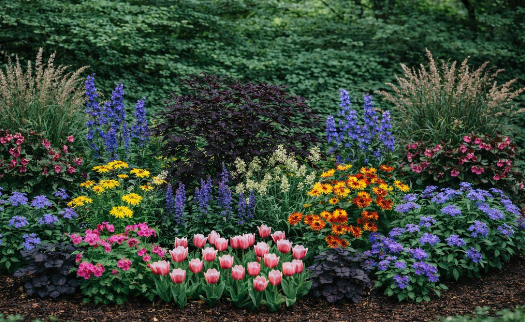
Spring is the perfect time to revitalize your garden after the long winter months. With blooming flowers and vibrant colors, there’s no shortage of inspiration for creating an enchanting outdoor space. Below are some fresh ideas that will help you incorporate seasonal garden colors into your spring garden.
1. Embrace a Color Palette
Choosing a specific color palette for your spring garden can dramatically enhance its appeal. You can select colors that complement your home or opt for a more eclectic mix that reflects your personal style. Popular spring garden colors include soft pastels like lavender, blush pink, and buttery yellow, as well as bolder shades like deep blues and vibrant reds.
Once you’ve decided on a color scheme, consider choosing annuals and perennials that fit within this palette. For instance, pansies and tulips provide a wide array of colors that bloom early in the season, while later bloomers like peonies and hydrangeas can carry your palette into the summer.
-
- Pick a main color and two to three accent colors.
-
- Visit local nurseries to see blooming plants in person.
-
- Take pictures of your chosen colors to reference while shopping.
-
- Plan for a cohesive look between plants and garden furnishings.
-
- Consider the bloom times to keep color throughout the season.
2. Introduce Edible Flowers
Edible flowers are a fantastic way to add color and interest to your garden while offering an additional culinary element. Flowers like nasturtiums, pansies, and calendula not only beautify your space but can also be used in salads or as decorative garnishes for dishes. They are easy to grow and add a pop of color that will delight your taste buds as well.
To cultivate edible flowers, make sure to choose organic seeds and follow specific growing instructions. Most edible flowers thrive in full sun and well-drained soil. Additionally, consider companion planting; placing them alongside vegetables can help deter pests and improve overall yield.
-
- Choose flowers that are known to be edible.
-
- Ensure the soil is well-drained and nutrient-rich.
-
- Plant in a sunny area that receives at least six hours of sunlight daily.
-
- Regularly water and care for the flowers to encourage growth.
-
- Harvest carefully to avoid damaging the plant.
3. Create a Focal Point with Colorful Containers
Using colorful containers is a great way to add depth and interest to your garden. They can serve as a focal point in flower beds or on patios and balconies. Opt for containers in shades that match or contrast with your chosen garden palette to create a visually appealing space.
For spring, consider filling your containers with a mix of annuals and perennials that will thrive in your climate. Combining trailing plants like ivy with upright flowers like snapdragons can create stunning arrangements that draw the eye. Additionally, you can switch out plants seasonally, providing fresh colors all year round.
-
- Select containers of varying heights for visual interest.
-
- Choose fast-draining potting mix for healthier plants.
-
- Water regularly; containers dry out faster than garden beds.
-
- Use a combination of blooming and foliage plants for texture.
-
- Position containers to catch the best sunlight for the plants.
4. Plant a Sensory Garden
A sensory garden is not only attractive but also stimulates your senses of smell, touch, and sight. To create this space, include a variety of plants that have unique textures and scents. Consider lavender, rosemary, and lemon balm for aromatic elements, while lamb’s ears, ferns, or ornamental grasses can introduce different textures to your garden.
When designing your sensory garden, think about incorporating pathways made of stone or wood chips to invite exploration. The sound of rustling leaves and the sight of flowers swaying in the breeze can add a relaxing atmosphere, perfect for outdoor relaxation and meditation.
-
- Map out your space before planting to maximize sensory interactions.
-
- Choose varied plants with different heights and textures.
-
- Include pathways to guide visitors through the sensory experiences.
-
- Consider including herbs for both fragrance and culinary uses.
-
- Utilize garden decor like wind chimes for sound elements.
As spring arrives, it’s the ideal time to breathe life into your garden through color and creativity. With the ideas outlined above, you can design a vibrant, engaging outdoor space that will flourish throughout the season. Don’t hesitate to consult your local gardening expert for tailored advice, and remember: every garden is a unique journey waiting to blossom!