
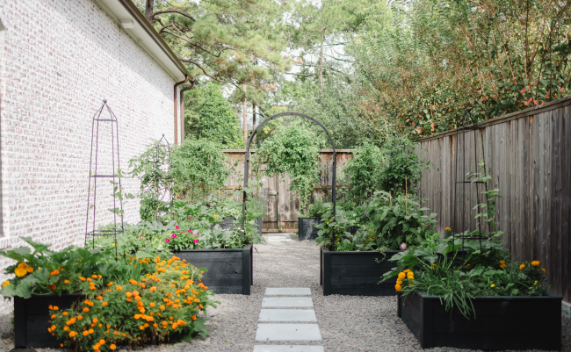
Spring is the perfect time to dive into gardening, especially for beginners looking to explore landscaping. This guide will provide you with easy garden ideas that will not only beautify your outdoor space but also instill a sense of accomplishment.
1. Starting with Easy-to-Grow Plants
For those new to gardening, choosing the right plants can make all the difference. Begin with varieties known for their resilience and ease of care, such as marigolds, pansies, or sunflowers. These plants thrive in various conditions and can offer vibrant colors to your garden without requiring extensive horticultural knowledge.
Consider planting herbs like basil, rosemary, or mint, which not only add greenery but can also enhance your culinary adventures. They typically require minimal maintenance and provide a sensory experience with their fragrant leaves. Plus, they can be grown in pots for those with limited outdoor space.
-
- Choose plants suited to your climate zone.
-
- Start with a small selection to avoid overwhelm.
-
- Research plant care needs before buying.
-
- Consider container gardening if space is limited.
2. Designing Raised Garden Beds
Raised garden beds are an ideal choice for beginners looking to create an organized yet versatile garden space. By elevating your garden beds, you improve drainage and soil quality while reducing the strain on your back during planting and maintenance. They can be constructed with various materials like wood, bricks, or stone, allowing for customization to suit your style.
To start, select a sunny location and measure out the space for your bed. Typically, a width of 4 feet and a length that suits your available space works well. Fill the bed with good-quality soil, and you’re set to start sowing your chosen seeds or seedlings.{“{“}{“}”}
-
- Choose a location that receives at least 6 hours of sun.
-
- Use untreated wood to avoid chemicals leaching into the soil.
-
- Fill beds with a mixture of topsoil, compost, and organic matter.
-
- Add a mulch layer to retain moisture and suppress weeds.
3. Creating a Pollinator Friendly Space
Building a pollinator-friendly garden can enhance biodiversity and contribute to a healthier local ecosystem. Invite bees, butterflies, and hummingbirds into your garden by planting native flowers and nectar-rich plants. Many local gardening centers provide guidance on plants that thrive in your area and can attract these beneficial creatures.
Consider incorporating plants with varying bloom times to ensure there’s always something flowering, providing food sources throughout the growing season. Additionally, creating small insect hotels or leaving wild patches in your garden can offer shelter for pollinators and encourage a thriving garden ecosystem.
-
- Include a mix of flowering plants, shrubs, and trees.
-
- Avoid pesticides that can harm beneficial insects.
-
- Leave some areas unfarmed to allow for natural habitats.
-
- Use organic practices to enhance soil health.
4. Implementing a Simple Watering System
A well-thought-out watering system can save time and increase plant health, especially in the warmer months. For beginners, drip irrigation systems are a great choice, as they deliver water directly to the plant roots, minimizing evaporation and runoff. Alternatively, consider using soaker hoses, which can be laid out across your planting rows to distribute water evenly.
Installing a rain barrel can provide an eco-friendly option for collecting rainwater. This way, not only do you save on water bills, but you also promote sustainability in your gardening practices. Make sure to landscape around your rain barrel with plants that thrive in moisture.
-
- Assess your garden’s watering needs based on plant types.
-
- Adjust your watering schedule according to seasonal changes.
-
- Utilize mulch to retain soil moisture.
-
- Test soil moisture before watering to avoid over-watering.
5. Establishing a Simple Maintenance Routine
Setting up a regular maintenance routine ensures that your garden remains healthy and vibrant throughout the season. Start by dedicating time each week for weeding, deadheading flowers, and checking for pests. Regular cleaning helps prevent larger problems from developing and promotes a tidy appearance.
Consider implementing a natural composting system for kitchen scraps and yard waste. Composting enriches the soil while reducing landfill waste, making it an environmentally-friendly choice. Creating a simple compost bin can also be rewarding as you see your organic waste transform into nutrient-rich soil.
-
- Set aside a specific day each week for maintenance tasks.
-
- Monitor plant health regularly to catch problems early.
-
- Rotate plants each season for improved soil health.
-
- Record your gardening observations in a journal.
Starting a garden can be an exciting journey filled with learning and enjoyment. By following these easy spring garden ideas, you’ll build a space that reflects your personal style and provides bountiful satisfaction. Embrace the process, and soon you’ll find yourself experimenting with even more landscaping magic!