
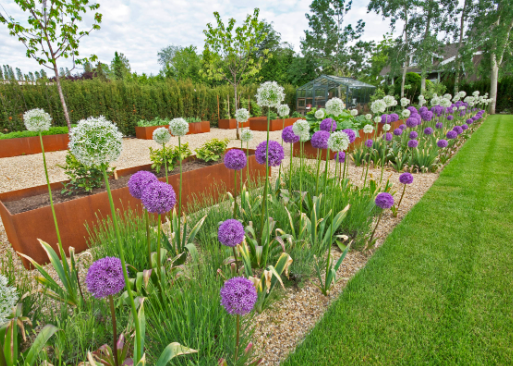
Spring is the perfect time to reinvigorate your backyard and create a space bursting with color and life. With careful planning and a touch of creativity, you can transform your garden into a vibrant oasis that welcomes the warmer months. Here are some colorful garden ideas to help you get started.
1. Choose Vibrant Flowers
One of the easiest ways to add color to your backyard is by planting a variety of vibrant flowers. Consider choosing a mix of perennials and annuals to ensure that your garden looks lively throughout the season. Flowers like tulips, daffodils, and hyacinths can provide stunning displays as they bloom in early spring, followed by summer favorites such as sunflowers, zinnias, and marigolds.
When selecting flowers, think about the color palette you want to create. Use complementary colors to enhance your garden’s visual appeal. For example, pairing orange marigolds with blue lobelias can create a striking contrast. Additionally, mixing different heights and bloom times can add depth and interest.
-
- Select a mix of perennials and annuals for extended blooms.
-
- Choose flowers with complementary colors for a vibrant look.
-
- Plant in clusters for maximum visual impact.
-
- Consider using containers for additional color placements.
-
- Group taller plants at the back and shorter ones in front.
2. Create Colorful Foliage with Leafy Plants
While flowers are the stars of many gardens, don’t underestimate the impact of colorful foliage. Leafy plants such as coleus, heuchera, and ornamental grasses can provide texture and visual interest, particularly when flower blooms start to fade. These plants often come in a range of colors from deep purples to bright lime greens, allowing you to create a stunning backdrop for your garden.
Incorporating a variety of leafy plants into your garden design can also extend the visual appeal throughout different seasons. For example, deciduous plants can take on beautiful autumn hues, ensuring your garden remains captivating year-round. You can even mix foliage with flowers to complement your color scheme and keep things fresh.
-
- Choose plants with varying leaf shapes and sizes for texture.
-
- Incorporate a range of colors to enhance visual interest.
-
- Mix foliage with flowers for a diverse arrangement.
-
- Group plants by color or type for a cohesive look.
-
- Be mindful of the light requirements for each plant.
3. Incorporate Unique Garden Features
Adding unique features to your garden can significantly enhance its visual impact while providing functional space. Consider installing a colorful trellis or an arbor adorned with climbing plants such as clematis or jasmine. These elements can serve as eye-catching focal points that draw attention and create an inviting atmosphere.
Additionally, garden sculptures or painted planters can infuse personality into your space. Whether you choose whimsical designs or elegant structures, these features can act as conversation starters and contribute to the overall aesthetic. Also, think about incorporating pathways lined with colorful stones or bricks for a visually pleasing walkway.
-
- Add trellises to support climbing plants and create height.
-
- Use vibrant, decorative planters to display flowers and herbs.
-
- Incorporate unique sculptures for added visual interest.
-
- Create pathways with colored stones or bricks to enhance navigation.
-
- Ensure all features are weather-resistant.
4. Plant a Vegetable Garden with a Splash of Color
Did you know that your vegetable garden can also be colorful? Many edible plants offer beautiful foliage and vibrant fruits or vegetables. For example, rainbow chard has stunning, brightly colored stems, and purple bell peppers maintain a beautiful look even before they are harvested. By planting a variety of vegetables alongside flowers, you can create a functional and aesthetically pleasing garden.
To make your vegetable garden even more colorful, consider companion planting. This involves growing certain flowers among your vegetables that can attract beneficial insects or deter pests. Marigolds, for example, are great companions for tomatoes, as they help keep nematodes and aphids at bay while adding stunning colors to your garden beds.
-
- Incorporate colorful vegetables like eggplants and beets.
-
- Pair useful flowers with veggies to create a companion planting garden.
-
- Rotate crops to maintain soil health and vibrancy.
-
- Use raised beds for better soil control and easier maintenance.
-
- Add markers to identify each type of vegetable and provide visual interest.
5. Create Texture with Ground Covers
Ground cover plants not only help with soil erosion but also add a lush layer of color to your backyard. Options like creeping thyme, sedum, or ajuga come in various shades of green, purple, and even variegated patterns. These plants can fill in empty spaces and create a soft, carpet-like effect around your garden beds.
Textured ground covers can also offer a burst of color throughout the year. Some varieties bloom with tiny flowers in spring and summer, adding to the visual appeal. When arranged thoughtfully around paths and flower beds, they can create an inviting and harmonious look, making your garden feel more cohesive.
-
- Select drought-resistant ground covers for low-maintenance options.
-
- Use ground covers to fill bare spots between larger plants.
-
- Plan for seasonal blooms to ensure year-round color.
-
- Mix different textures for visual complexity.
-
- Consider the light conditions for each ground cover choice.
Creating a colorful backyard this spring is an exciting opportunity to express your creativity and bring life to your outdoor space. Whether you choose to focus on flowers, foliage, or unique features, the possibilities are endless. Start planning your garden today, and watch it transform into a vibrant retreat you can enjoy all season long!