
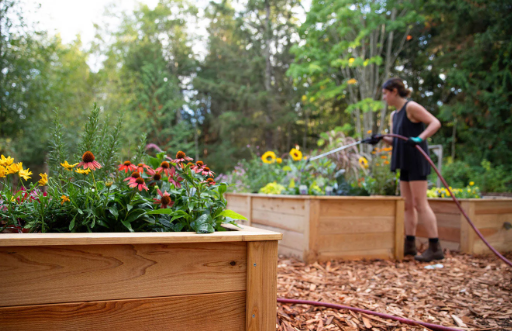
Spring is the perfect time to embrace gardening and watch your outdoor space come to life. One popular method that many gardeners are turning to is the use of raised garden beds. Not only do they enhance the aesthetic appeal of your garden, but they also provide numerous practical benefits that can lead to a more fruitful growing season.
1. Advantages of Raised Garden Beds
Raised garden beds offer a multitude of benefits, particularly for those looking to maximize their gardening experience. One of the foremost advantages is better drainage. Traditional garden plots can accumulate water, leading to root rot and other issues; raised beds, on the other hand, elevate plants and improve water runoff. This is especially crucial in areas prone to heavy rainfall.
Additionally, raised beds can help in managing soil quality. Often, garden soil might not be ideal for growing vegetables or flowers. With raised beds, gardeners can fill them with nutrient-rich soil tailored to the specific needs of their plants. This customization can significantly enhance plant health and yield.
-
- Choose the right location: Ensure the bed receives adequate sunlight.
-
- Install a weed barrier: This helps prevent weeds from encroaching.
-
- Fill with quality soil: Use a mix of topsoil, compost, and organic matter.
-
- Plan your layout: Group plants according to their watering and sunlight needs.
2. Design Ideas for Raised Garden Beds
Designing your raised garden bed can be as unique and creative as you want. One fantastic idea is to construct a tiered garden. This not only maximizes your vertical space but also adds visual interest to your garden. Different tiers can host various plants, such as herbs on the top tier and vibrant flowers on the lower levels, creating a beautiful cascade of colors.
Another popular design is the incorporation of pathways between your raised beds. This allows for easy access to the plants and enhances the layout’s practicality. Cobblestone paths or wooden chips can create charming pathways that make maintaining your garden both delightful and easy.
-
- Consider the height: Make sure beds are high enough for comfortable gardening.
-
- Use different materials: Wood, stone, or even metal can change the aesthetics.
-
- Incorporate handles: If you need mobility, consider adding wheels to your beds.
-
- Flower boxes: Attach larger planters on the sides for additional beauty.
3. Ideal Plants for Spring Raised Garden Beds
When planning your spring garden, choosing the right plants is essential for success. Some excellent choices for raised beds in the spring include leafy greens such as spinach and lettuce. They grow quickly and can tolerate cooler temperatures, giving you an early harvest. Additionally, root vegetables like carrots and radishes thrive in well-drained soil, making them perfect for your raised garden beds.
Don’t forget herbs! Basil, cilantro, and parsley can flourish in raised beds and offer fresh flavors for your kitchen throughout the growing season. Consider planting companion plants together to maximize growth and deter pests, such as pairing tomatoes with basil.
-
- Start with cool-season crops: They perform well in early spring.
-
- Consider plant size: Ensure larger plants have enough space.
-
- Incorporate vertical gardening: Use trellises for climbing plants like beans.
-
- Rotate crops annually: This helps maintain soil fertility and reduce pests.
4. Maintaining Your Raised Garden Beds
Once your raised garden beds are set up and planted, maintenance will be crucial for ensuring thriving plants. Regular watering is essential, but be cautious not to over-water. Raised beds can dry out faster than traditional gardens due to increased drainage. A drip irrigation system can be a great investment, allowing for consistent moisture without the risk of waterlogging.
Weeding is another vital maintenance task. Because raised beds are typically smaller, they can be easier to weed, but it’s still essential to stay on top of it. A clean garden reduces the risk of pest infestations and disease. Consider mulching around your plants to help suppress weeds while retaining moisture.
-
- Water regularly, especially in dry spells.
-
- Monitor for pests: Check your plants frequently.
-
- Quickly remove weeds: This prevents them from taking over.
-
- Fertilize as needed: Use organic fertilizers to enrich the soil.
Spring gardening with raised beds opens up a world of possibilities while making it easier to manage, maintain, and enjoy your outdoor space. Whether you’re a novice gardener or an experienced one, incorporating raised beds can enhance your garden experience. So grab your gardening tools, get creative, and start planning your dream garden today!