
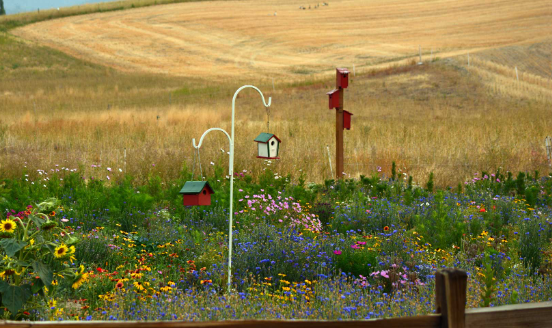
Spring is a wonderful time to rejuvenate your garden, and what better way to do so than by creating a bird-friendly sanctuary? Not only will you attract our feathered friends, but you’ll also contribute to the ecosystem, encouraging pollination and pest control. In this post, we will explore some engaging garden ideas that emphasize bird-friendly designs, making your outdoor space both beautiful and beneficial.
1. Plant Native Flora
One of the best ways to attract birds to your garden is by planting native plants. Birds are adapted to the flora of their region, and native plants provide the essential food and shelter they need. For example, in North America, flowering dogwoods and oaks provide acorns that many species enjoy, while wildflowers such as coneflowers and black-eyed Susans attract insects, creating a natural food source for birds.
Native plants generally require less water and maintenance, making them an excellent addition to sustainable gardening practices. Additionally, they promote biodiversity by supporting local wildlife. If you’re unsure which plants to choose, consult your local extension office or gardening center for recommendations tailored to your area.
-
- Research native plants suitable for your climate zone.
-
- Consider a mix of flowering plants, shrubs, and trees.
-
- Group your plants in clusters to create a natural habitat.
-
- Rotate your plant selections to promote biodiversity.
-
- Observe which birds are attracted to specific plants and adjust as needed.
2. Utilize Bird Feeders and Baths
Installing bird feeders and bird baths can significantly increase the variety of birds visiting your garden. Feeders designed for specific species can help attract different birds; for instance, sunflower seeds are popular with finches, while peanut feeders attract woodpeckers and nuthatches. Make sure to place the feeders in locations that are safe from predators but easily visible for birdwatchers.
Bird baths provide essential drinking and bathing opportunities, helping to keep birds clean and hydrated. Ideally, choose a shallow bird bath with sloped sides or add pebbles for birds that prefer perching while they drink. Regular cleaning and changing of water will ensure your garden remains a welcoming oasis for birds throughout the spring season.
-
- Select feeders that are easy to fill and clean.
-
- Choose a variety of seeds to attract different bird species.
-
- Place your feeders and baths near plants for natural shelter.
-
- Change the water in bird baths regularly to prevent algae growth.
-
- Monitor the feeders to watch which birds visit, adjusting your offerings if needed.
3. Create Nesting Areas
To further support the local bird population during spring, consider providing nesting materials and spaces. Birds need secure spots to build their nests, and you can create these by leaving areas of your garden undisturbed or installing birdhouses. Each species has specific requirements—bluebirds prefer open fields, while wrens thrive in dense shrubs. Research the types of birds that inhabit your area to choose the ideal nesting options.
You can also enhance your garden’s bird-friendly appeal by offering nesting materials. Natural items such as dried grasses, small twigs, and feathers can be displayed in a small basket. Hang it in a sheltered area where birds can easily access the materials without feeling threatened.
-
- Research the nesting habits of local species.
-
- Install birdhouses designed specifically for desired species.
-
- Keep your garden natural by leaving some brush pile as shelter.
-
- Offer natural nesting materials in an accessible container.
-
- Ensure birdhouses are placed at the preferred height and location.
4. Encourage Pollinators
A bird-friendly garden can also benefit from the presence of pollinators, creating a harmonious ecosystem. Birds, bees, and butterflies can all play a role in increasing the biodiversity of your plants. By providing an abundance of flowering plants, you can attract these essential creatures, which will, in turn, attract birds looking for insects to eat.
Including a mix of blooming plants that flower at different times can ensure that there is always something available for pollinators and birds throughout the spring and summer. Some great choices for this purpose include bee balm, lupines, and milkweed, which not only attract birds but also enhance the overall aesthetics of your garden.
-
- Choose a variety of flowers that bloom at different times.
-
- Plant in groupings to create visual impact and attract more pollinators.
-
- Opt for organic gardening methods to avoid harmful chemicals.
-
- Grow herbs like thyme and lavender that attract both birds and bees.
-
- Monitor your garden to see which plants draw in the most wildlife.
As you prepare for spring, consider incorporating these bird-friendly garden ideas into your landscaping plan. By providing essential resources for birds, you’ll create an inviting space that not only enhances your outdoor area but also contributes to the ecosystem. Take the time to research and choose the best plants, feeders, and nesting materials for your garden, and enjoy the delightful sights and sounds of birds visiting your space throughout the warmer months.