
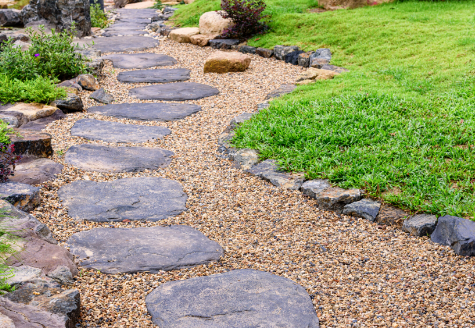
Gardening in spring is not just about beautifying your space; it’s also a wonderful opportunity to create a wildlife-friendly environment. By incorporating native plants and sustainable practices, you can attract birds, bees, butterflies, and other beneficial creatures to your garden. Here are some spring garden ideas to help you cultivate a vibrant and eco-friendly landscape.
1. Choose Native Plants
One of the most effective ways to support local wildlife is by planting native species. Native plants are naturally adapted to your region’s climate, soil, and pests, making them easier to manage and more resilient. For example, in the Southeast United States, plants like milkweed and coneflower attract monarch butterflies, while goldenrod supports various pollinators.
Additionally, native plants often require less water and fewer chemicals, benefiting both your garden and the surrounding ecosystem. When selecting plants, do some research to find those that are particularly attractive to the wildlife in your area. You can even visit your local botanical garden for recommendations or workshops.
-
- Research native plants suited to your local ecosystem.
-
- Look for plants that flower at different times to provide food throughout the season.
-
- Create layers in your garden for diverse habitats (low, medium, high).
-
- Consider adding native grasses for additional food sources.
2. Build Pollinator Habitats
Creating specific habitats for pollinators can significantly boost their populations in your area. Pollinators like bees and butterflies need not only flowers for nectar but also safe spaces to feed, breed, and overwinter. You can create these habitats by planting pollinator-friendly flowers in groups, which makes it easier for insects to find food.
Consider including features like bee hotels, which provide nesting sites for solitary bees, or adding a shallow water feature with stones for insects to land on and sip water. Even small changes, like leaving some areas of your garden a little wild, can provide vital refuge for wildlife.
-
- Group pollinator-friendly plants in clusters for easier access.
-
- Incorporate a variety of flowering plants to attract different pollinators.
-
- Install bee hotels and water sources in sunny spots.
-
- Leave patches of bare soil for ground-nesting bees.
3. Create Shelter and Nesting Areas
Wildlife needs spaces to retreat, nest, and thrive, so consider adding features specifically designed for this purpose. For small birds, nesting boxes can provide a safe location to raise their young. You can either purchase birdhouses or build your own using untreated wood to avoid harmful chemicals.
In addition to birdhouses, brush piles, and log piles can serve as homes for various critters like hedgehogs and amphibians. You can also leave some areas of your garden a bit unkempt, letting native grasses and wildflowers grow; it’s often the perfect sanctuary for species like rabbits and lizards.
-
- Install various-sized nesting boxes for different bird species.
-
- Build brush piles using branches and leaves.
-
- Leave parts of your garden natural and undisturbed.
-
- Utilize native grasses for additional cover and habitat.
4. Practice Organic Gardening Techniques
Using organic gardening techniques not only benefits the plants you cultivate but also minimizes harm to local wildlife. Pesticides and herbicides can be detrimental to beneficial insects and creatures, disrupting the ecosystem. Instead, opt for natural pest control methods, such as introducing beneficial predators like ladybugs or using neem oil as a natural pesticide.
Enhancing soil health through composting and mulching can also help your plants thrive while creating a balanced environment for organisms in the soil. Healthy soil means healthier plants, which in turn attracts more wildlife to your garden.
-
- Use organic pest control methods instead of chemicals.
-
- Implement composting to recycle organic waste.
-
- Add mulch to retain moisture and suppress weeds.
-
- Encourage beneficial insects by avoiding harsh chemicals.
5. Water Wisely
Water is an essential resource for wildlife, and providing a clean source can significantly contribute to making your garden more inviting. Installing a birdbath or small pond can attract birds, frogs, and beneficial insects, while ensuring that the water is shallow enough for creatures to safely access it. Be sure to change the water regularly to avoid stagnation and algae growth.
If you have a larger garden, consider rain gardens that capture stormwater and channel it into specific planting areas. This not only benefits your garden aesthetically but also offers crucial drinking sources for wildlife while helping manage water runoff.
-
- Install birdbaths or shallow ponds for wildlife hydration.
-
- Change water regularly to keep it clean.
-
- Create a rain garden to manage stormwater.
-
- Employ mulch to retain moisture in garden beds.
By implementing these practical spring gardening ideas, you can create a habitat that supports a diverse range of wildlife while enhancing the beauty of your outdoor space. Remember, every small step counts when it comes to sustaining our planet. Start planning your wildlife-friendly garden today!