
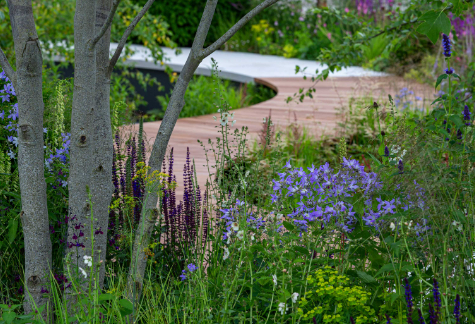
As the chill of winter fades away and the sun re-emerges, spring brings with it a perfect opportunity to rejuvenate your garden. Elegant garden paths not only enhance the visual appeal of your outdoor space but also serve a functional purpose. Here are some inspiring ideas for spring garden paths that will elevate your garden design.
1. Natural Stone Pathways
Natural stone pathways offer a timeless elegance that blends seamlessly into the garden landscape. Stones such as slate, limestone, or granite create beautiful, sturdy paths that withstand the elements. Their varied colors and textures can add a rustic charm to any garden while guiding visitors through garden nooks filled with vibrant plants and flowers.
To design a natural stone pathway, start by selecting stones that complement your garden’s existing features. After laying gravel or sand as a base, place the stones in a winding pattern to create a soft, inviting route. This approach not only ensures a stable footpath but also allows for easy drainage, which is crucial in maintaining a healthy garden environment.
-
- Choose stones that suit your garden’s style and color scheme.
-
- Prepare a solid base to avoid shifting stones over time.
-
- Use a birdbath or garden sculpture as a focal point near your path.
-
- Create curves to encourage exploration and movement.
2. Gravel Walkways with Bordering Plants
Gravel walkways are an excellent choice for those who appreciate a more minimalist yet sophisticated garden design. With its easy installation and low maintenance needs, a gravel path can be an ideal option. Bordering the path with various plants not only enhances the aesthetic but also creates a lush, inviting atmosphere.
When designing a gravel walkway, use larger gravel stones to form a sturdy base and smaller ones to prevent shifting. Consider planting low-growing flowers or ground covers alongside the path to add color and texture. Over time, the plants will grow and soften the edges of the walkway, creating a harmonious transition between the path and the surrounding garden bed.
-
- Select gravel that matches your garden’s overall color palette.
-
- Use landscaping fabric underneath to prevent weeds.
-
- Incorporate native plants for lower maintenance and better growth.
-
- Consider incorporating lighting along the path for evening strolls.
3. Wooden Boardwalks for a Rustic Feel
If you’re looking to evoke a countryside charm in your garden, wooden boardwalks are a perfect choice. They are not only durable but also add warmth and a rustic feel that invites wanderers to explore. These wooden paths can be particularly beneficial in gardens facing water drainage issues, as they elevate foot traffic above muddy terrain.
To build a boardwalk, select pressure-treated lumber or naturally resistant woods like cedar or redwood. You can create a simple linear path or design it to meander through the garden. To further enhance the rustic charm, consider adding railings or surrounding the path with fragrant herbs. This not only aids in design but also complements your sensory experience as you walk through the garden.
-
- Choose sturdy, weather-resistant wood for longevity.
-
- Ensure proper drainage beneath wooden planks to avoid rot.
-
- Mix different wood tones for added visual interest.
-
- Add seating areas along the boardwalk for relaxation.
4. Brick Paths with Geometric Patterns
For those drawn to structure and symmetry, brick paths offer a sophisticated solution. Their defined shapes and warm colors can provide a classic touch to any garden setting. Experimenting with geometric patterns not only adds charm but also creates a sense of order amidst the vibrancy of flowers and shrubs.
When laying a brick path, consider mixing different brick sizes to create intricate designs. For added durability, use a sand or mortar base to secure the bricks in place, keeping in mind that patterns like herringbone or basketweave will elevate the aesthetic appeal even further. You can also integrate occasional flowering plants in between the bricks for added beauty and interest.
-
- Plan your design before starting to ensure a balanced look.
-
- Consider using raised edges to hold your bricks in place.
-
- Fill gaps with sand or gravel to prevent weed growth.
-
- Seal the path to maintain color and prevent wear.
5. Eco-Friendly Paths with Recycled Materials
In today’s eco-conscious world, creating pathways from recycled materials is not just budget-friendly but also a great way to contribute to sustainability. Using items like reclaimed wood, broken bricks, or even old tiles can add a unique personality to your garden. This practice not only reduces waste but also inspires creativity in garden design.
To start, collect various recycled materials suitable for your garden path layout. Mix and match resources to create a one-of-a-kind path that reflects your personality. For instance, you could lay down old tiles in a mosaic pattern or construct a path made entirely from salvaged wood logs. Ensure that the materials are safe for outdoor use and free from harmful chemicals.
-
- Look for local salvage yards or online marketplaces for materials.
-
- Choose materials that are durable and resist weathering.
-
- Incorporate rescued bricks, tiles, or logs for a broad design palette.
-
- Consider how your path will integrate with the landscape and existing plants.
Creating a stunning garden path this spring can transform your outdoor space into a wondrous retreat. Whether you opt for natural stones, gravel, wood, brick, or recycled materials, each choice allows for creativity and elegance. Take the time to explore these options and start planning your own beautiful garden path today.