
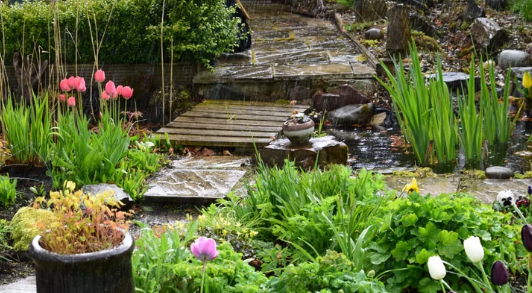
Spring is the perfect time to rejuvenate your garden and give it an eco-friendly makeover. By incorporating sustainable practices and native plants, you can help the environment while also creating a beautiful and inviting outdoor space.
1. Choose Native Plants
Native plants are specifically adapted to the local climate and soil conditions, making them easier to grow and maintain. They require less water and fewer chemicals compared to non-native species, which contributes to a healthier ecosystem. For example, in temperate regions, plants like coneflowers and black-eyed Susans can thrive without much assistance. By selecting native varieties, you can create a garden that not only flourishes but also supports local wildlife such as pollinators and birds.
Additionally, native plants are generally more resistant to pests and diseases, reducing the need for chemical pesticides. This means you can have a vibrant garden with flourishing colors and scents, while also being environmentally conscious. Native plants have adapted over thousands of years to your region’s specific conditions, making them ideally suited for your spring garden.
-
- Research native species suitable for your area.
-
- Visit a local nursery specializing in native plants.
-
- Group plants with similar water and sunlight needs together.
-
- Consider incorporating ground covers to reduce soil erosion.
2. Implement a Rain Garden
A rain garden is an eco-friendly landscape feature that captures and absorbs stormwater runoff. It can reduce pollution and prevent flooding by allowing rainwater to seep into the ground, providing a natural filtration system. To create a rain garden, choose a suitable location, typically near downspouts or areas where rainwater collects. Use native plants that can thrive in wet conditions and also withstand dry periods. This not only enhances the ecological function of your property but also adds beauty to your garden.
In designing your rain garden, ensure the area is slightly lower than the surrounding landscape to facilitate water absorption. You can incorporate a variety of textures and colors by planting different species that bloom at various times throughout the spring and summer. A well-planned rain garden can become a focal point of your yard while doing wonders for the environment.
-
- Identify a location with poor drainage or high runoff.
-
- Measure the area to determine the size of your rain garden.
-
- Choose a mix of native wetland and drought-tolerant plants.
-
- Mulch the garden to help with moisture retention.
3. Compost Your Garden Waste
Composting is an excellent way to recycle garden waste, reduce landfill contributions, and create nutrient-rich soil for your plants. Organic materials such as leaves, grass clippings, and kitchen scraps can be combined to create compost that enhances soil fertility. By maintaining a minimal waste approach, you can provide your plants with what they need to thrive without relying on synthetic fertilizers. A well-balanced compost pile can produce rich, dark compost in just a few months.
Setting up a compost pile or bin is straightforward. Choose a well-aerated spot in your yard, preferably with good drainage. Regularly turn the pile to keep the composting process active; this will reduce odors and promote even decomposition. Once your compost is ready, use it to amend your soil or as a top dressing for your spring plantings, ensuring that your garden remains vibrant and healthy.
-
- Collect kitchen scraps and yard waste in a compost bin.
-
- Maintain a balance between ‘green’ (nitrogen-rich) and ‘brown’ (carbon-rich) materials.
-
- Turn your compost regularly to aerate the pile.
-
- Monitor moisture levels; the compost should be damp but not soggy.
4. Create a Pollinator-Friendly Space
Pollinators play a crucial role in the ecosystem by contributing to plant reproduction. Creating a pollinator-friendly garden can attract bees, butterflies, and other important wildlife. Start by selecting a diverse range of flowering plants that provide nectar and pollen throughout the growing season. Consider incorporating plants such as milkweed, lavender, and bee balm, which are particularly attractive to these beneficial creatures.
Avoid using pesticides that can harm pollinators, and instead opt for natural pest control methods. Additionally, create habitats like undisturbed areas of the garden with native grasses or ground cover, which can serve as shelter for pollinators. By fostering a welcoming environment for these essential insects, you contribute to biodiversity and enhance your garden’s overall health.
-
- Include a variety of flowering plants with different bloom times.
-
- Avoid chemical pesticides and opt for organic solutions.
-
- Incorporate nesting sites like bug hotels or insect nests.
-
- Provide a water source, such as a shallow dish with pebbles.
Transforming your spring garden into an eco-friendly oasis can be rewarding both for you and the environment. By choosing native plants, implementing features like rain gardens, composting, and creating spaces for pollinators, you can cultivate a lush garden that thrives sustainably. Start planning your eco-friendly garden this spring, and enjoy the benefits of nurturing both your plants and the planet.