
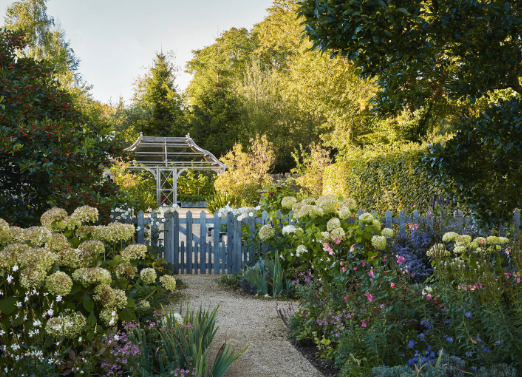
Spring is the perfect time to rejuvenate your garden with colorful blooms and inviting pathways. Creating flower-filled garden paths not only enhances the aesthetic appeal of your outdoor space but also invites exploration and relaxation. Here are some creative ideas to help you craft a vibrant environment this spring.
1. Choose the Right Plants for Your Path
Selecting the right flowers for your garden path is crucial for creating a cohesive look. Consider using low-growing plants like creeping thyme or dwarf veronica, which will spill gracefully over the edges and create a soft, inviting edge. Other great choices include pansies and petunias that bloom in a variety of colors and can tolerate foot traffic, adding vibrancy and charm to your pathways.
Additionally, plant selections should be based on your local climate and soil conditions. If your garden is mostly sunny, opt for heat-tolerant choices like marigolds or zinnias. If your area experiences partial shade, consider hellebores or ferns that can thrive in lower light. This attention to detail ensures the beauty of your pathways lasts throughout the season.
-
- Research local climate needs for plant selection.
-
- Consider flowering times to ensure year-round color.
-
- Choose plants with varying heights for visual interest.
-
- Incorporate both annuals and perennials for longevity.
2. Design Your Path Layout Wisely
The layout of your garden path plays a significant role in both functionality and style. Whether you envision a winding, meandering path or a straight, formal walkway, the right design can enhance the overall look of your garden. Try to incorporate curves, which can create a feeling of tranquility, guiding visitors through your blooms. Paths wider than three feet are often more inviting, allowing for comfortable movement and easy access for maintenance.
When planning your path, consider the materials you wish to use. Options can range from natural stones to mulch or gravel, each providing their unique aesthetic. Stone paths can add an old-world charm, while mulched paths offer a more rustic feel and are softer underfoot, allowing for easy navigation without damaging your flowers.
-
- Plot your path on paper before starting to visualize.
-
- Incorporate curves to make the path more inviting.
-
- Choose durable material based on foot traffic and budget.
-
- Consider raised edges to keep soil contained.
3. Add Accents and Decorative Features
To enhance the visual appeal of your flower-filled paths, consider adding decorative features that complement the blooms. Garden ornaments, such as whimsical sculptures or subtle wind chimes, can draw attention in just the right way. Additionally, using borders made from bricks or stones can provide structure and keep plants neatly in their designated areas, preventing them from encroaching upon the walkway.
Lighting is another fantastic element to incorporate, allowing your pathway to shine even in the evenings. Solar-powered stakes or lanterns can provide soft illumination that highlights both your blooms and the path, creating a magical atmosphere after sunset. The interplay of flowers and light can make evening walks in your garden an enchanting experience.
-
- Choose garden ornaments that match your garden’s theme.
-
- Incorporate lighting to enhance nighttime visibility.
-
- Use natural materials for a more organic look.
-
- Consider adding seating areas along the path for enjoyment.
4. Incorporate Seasonal Blooms
To keep your garden path vibrant throughout the spring and into summer, consider incorporating plants that bloom at different times. Early spring flowers like daffodils and tulips can set the stage for a colorful display, while later blooming perennials such as coneflowers or black-eyed Susans take over as temperatures warm up. This staggered approach to planting ensures that your pathways are continually filled with color and life.
In addition to flowers, think about integrating foliage plants that maintain their visual appeal during off-blooming seasons. Ferns and hostas provide lush greenery and texture, even when flower colors fade. This combination creates an eye-catching contrast and a more dynamic pathway that changes with the season.
-
- Plan a blooming schedule to ensure continuity.
-
- Mix bulbs and perennials for layered beauty.
-
- Include foliage plants for year-round interest.
-
- Regularly deadhead to promote further blooming.
In conclusion, creating a flower-filled garden path offers endless opportunities to enhance your outdoor space. With thoughtful plant selections, creative designs, and delightful accents, you can craft a vibrant environment that beckons for exploration. So grab your gardening tools and start planning your spring transformation today!