
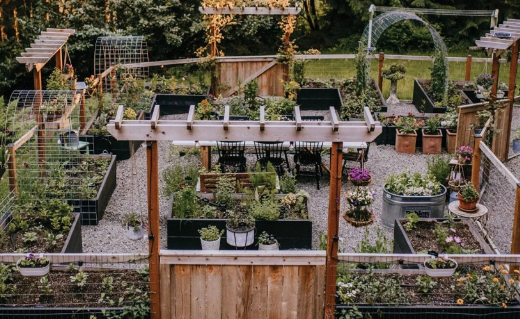
Spring is the perfect time to breathe new life into your backyard and create a vibrant garden space. With thoughtful layouts and creative designs, you can transform your outdoor area into a sanctuary of color and fragrance. Here are some innovative ideas to help you design your spring garden.
1. Vertical Gardens: Maximizing Your Space
Vertical gardens are an excellent solution for those with limited space. By using walls, fences, or trellises to grow plants upward instead of outward, you can create a lush green display without sacrificing precious ground area. Consider using wall-mounted planters or hanging pots to showcase flowering plants or herbs that can be easily harvested.
Not only do vertical gardens save space, but they also add an eye-catching element to your garden. They can be designed to provide privacy or even serve as a living wall that helps insulate your home. Choose a variety of plants that thrive in vertical setups, such as trailing vines like ivy or ornamental plants that require less soil depth.
-
- Choose lightweight containers for easier installation.
-
- Consider using a drip irrigation system to maintain moisture.
-
- Layer plants with taller varieties at the top and smaller ones at the bottom.
-
- Incorporate herbs like basil or mint for a functional garden.
2. Raised Garden Beds: Better Drainage and Soil Control
Raised garden beds can revolutionize how you create your garden. By building beds up to 12 inches or more, you improve drainage and provide a controlled soil environment, ideal for growing vegetables and flowers alike. Additionally, raised beds allow for easier access, making planting and harvesting less of a chore.
Incorporating multiple raised beds can create a visually appealing layout, each dedicated to different types of plants or a specific theme. You might design one bed for a colorful flower garden and another for fragrant herbs. With thoughtful planning, you can create pathways between the beds for easy navigation.
-
- Use untreated wood or composite materials to avoid chemicals leaching into soil.
-
- Fill your beds with a mix of topsoil, compost, and organic matter for optimal growth.
-
- Position beds to get sufficient sunlight based on the plants you choose.
-
- Mulch around your plants to retain moisture and suppress weeds.
3. Pollinator Gardens: Attracting Beneficial Insects
A pollinator garden not only beautifies your space but also supports the environment. By planting native flowers and shrubs, you can attract bees, butterflies, and other essential pollinators that are vital for flowers and crops. Incorporate a mix of perennials and annuals to provide blooming flowers throughout the spring and summer.
Additionally, you can create habitats for these beneficial insects by including native grasses or even installing bee hotels. Consider wildflowers like coneflower or black-eyed Susan, which are not only stunning but also serve as food sources for pollinators. The diversity of plants encourages a rich ecosystem, making your garden both beautiful and sustainable.
-
- Choose a variety of colors and shapes to attract a wide range of pollinators.
-
- Avoid chemically treated plants to create a safer environment for insects.
-
- Provide water sources, like shallow dishes filled with stones, to attract butterflies.
-
- Consider planting in clusters to create an appealing habitat.
4. Edible Landscaping: Stylish and Functional
Edible landscaping combines beauty and function by integrating fruits, vegetables, and herbs into your garden design. Imagine bedding flowers around a patch of strawberries or using kale as a border plant. This approach allows you to grow a food supply while maintaining an aesthetically pleasing space.
Creating an edible landscape can be done by selecting decorative edible plants. Think about planting colorful Swiss chard along walkways, or flowering herbs that give off delightful scents. This unique blend will not only provide fresh ingredients for your meals but can enhance your garden’s overall charm.
-
- Incorporate companion planting for better growth and pest control.
-
- Make sure to use organic seeds or plants to keep your garden healthy.
-
- Choose a layout where taller plants do not overshadow shorter ones.
-
- Regularly prune and harvest to encourage continual growth.
5. Seasonal Color Schemes: Thoughtful Plant Selection
Choosing a seasonal color scheme not only helps your garden flourish but allows you to evoke specific feelings and moods. Consider incorporating color palettes that complement your home or create contrasts that grab attention. For example, warm reds and yellows can energize a space, while cool blues and greens provide a soothing atmosphere.
Mixing different plant types and sizes within a single color scheme can add depth and interest. Seasonal flowers like tulips and daffodils work well for spring, while waiting for summer blooms like sunflowers or dahlias can give your garden a full-fledged vibrant look. Think about incorporating ornamental grasses as a backdrop for continual visual interest.
-
- Select plants that bloom at different times to ensure continual color.
-
- Plan staggered planting for a layered look.
-
- Include foliage plants that maintain interest when flowers are not in bloom.
-
- Consider seasonal decorations to further enhance your design theme.
Creating a spring garden can be both fulfilling and enjoyable. Whether you opt for vertical gardens or edible landscapes, thoughtful planning can turn your backyard into a stunning haven. Embrace creativity and start laying out your perfect garden today!