
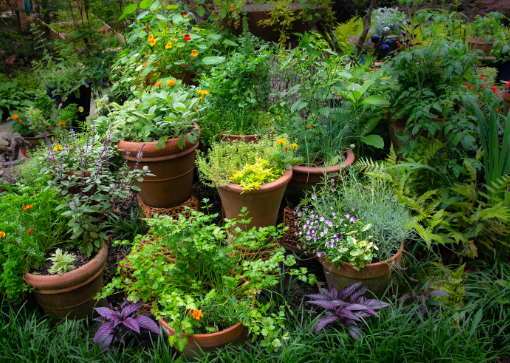
Spring is the perfect season to revitalize your garden and introduce a bounty of flavorful herbs and edible plants. Whether you’re a seasoned gardener or just starting out, creating an herb garden offers numerous benefits, from improved cooking to enhancing your outdoor space. Let’s explore some inspiring spring garden ideas that focus on growing delicious edible plants and aromatic herbs.
1. Choosing the Right Location for Your Herb Garden
One of the most critical factors for a successful herb garden is choosing the right location. Herbs generally thrive in a spot that receives at least 6-8 hours of sunlight daily. A sunny windowsill, patio, or garden bed are all excellent options. Assess your gardening space for sun exposure, keeping in mind that some herbs, like basil and rosemary, prefer full sunlight while others, such as mint and parsley, can tolerate partial shade.
Before planting, test your soil quality. Herbs prefer well-draining soil with a pH level between 6 and 7. If your soil is too dense, consider raising your beds or opting for containers. Raised beds provide better drainage and warmer soil temperatures, which can result in growing more vigorous herbs.
-
- Choose a sunny location with ample light.
-
- Test the soil for pH and drainage.
-
- Consider using raised beds for better soil conditions.
-
- Ensure access to water and consider proximity to your kitchen.
2. Selecting the Best Herbs for Your Garden
When it comes to selecting herbs for your garden, the choices can be abundant. Some popular herbs to grow include basil, parsley, thyme, and cilantro, each with unique flavors and uses. Basil can add a fresh touch to salads and pasta, while parsley is versatile, used in dishes or as a garnish. Consider your culinary preferences when choosing your herbs, which can inspire you to try new recipes.
In addition to common herbs, think about growing varieties that are less commonly found in stores, like lemon balm or tarragon. These can add unique flavors to your cooking and may be more fun to grow. Choose a mix of perennial herbs, which come back year after year, and annual herbs that will need to be replanted, to have a continuous supply.
-
- Choose herbs based on your cooking preferences.
-
- Grow a mix of annuals and perennials for continuity.
-
- Explore unique varieties for added flavor.
-
- Consider companion planting to enhance growth.
3. Container Gardening for an Herb Oasis
If space is limited, container gardening is an ideal solution for creating an herb oasis. Utilize pots of various sizes to create a visually appealing arrangement on your patio or balcony. Ensure the containers have drainage holes to prevent root rot, and opt for a quality potting mix to give your herbs the nutrients they need to thrive.
When planting in containers, consider grouping herbs with similar watering needs together. For instance, combine thyme and oregano, while keeping basil and mint separate, as they prefer more moisture. Rotate your containers for better sun exposure throughout the day, ensuring all your plants get the light they need.
-
- Choose pots with adequate drainage.
-
- Use high-quality potting soil.
-
- Group herbs with similar watering needs.
-
- Rotate containers for equal sunlight exposure.
4. Growing Edible Plants Alongside Herbs
Incorporating edible plants into your garden can create a diverse and fruitful space that goes beyond just herbs. Common choices that pair well with herbs include tomatoes, peppers, and lettuce, which can be planted in conjunction to make efficient use of space. These plants not only complement herbs in flavor but can also enhance the biodiversity of your garden.
Consider interplanting or companion planting, which benefits both herbs and vegetables by naturally repelling pests and maximizing space. For example, plant basil next to tomatoes to enhance growth and flavor, while marigolds can keep harmful insects away from both your herbs and veggies. Always check compatibility when planning your garden layout.
-
- Choose complementary edible plants to grow with herbs.
-
- Research companion planting techniques.
-
- Maximize your garden space with interplanting.
-
- Monitor for pests and reinforce natural barriers like marigolds.
5. Maintaining Your Herb and Edible Plant Garden
Maintenance is key to a thriving herb and edible plant garden. Regular watering is crucial, especially in warmer weather; aim for deep but infrequent watering. Monitor the moisture levels of your soil and use mulch to retain moisture and suppress weeds. This is particularly important for herb gardens, as weeds can quickly compete for nutrients.
Don’t forget to regularly prune your herbs to encourage new growth. Harvesting leaves incentivizes the plant to produce more, ensuring you’ll have a continuous supply throughout the growing season. Watch out for pests and diseases, and apply organic solutions whenever possible to keep your garden vibrant and healthy.
-
- Water deeply but infrequently to help root growth.
-
- Use mulch to retain moisture and minimize weeds.
-
- Regularly prune herbs to encourage new growth.
-
- Monitor for pests and apply organic solutions.
Embracing a spring garden with herbs and edible plants is not only rewarding but can also significantly enhance your culinary experiences. Whether you are growing your own herbs in containers or nurturing an expansive garden, take these ideas and start planning today. Remember, gardening is a journey, and each season offers new opportunities for growth and discovery.