
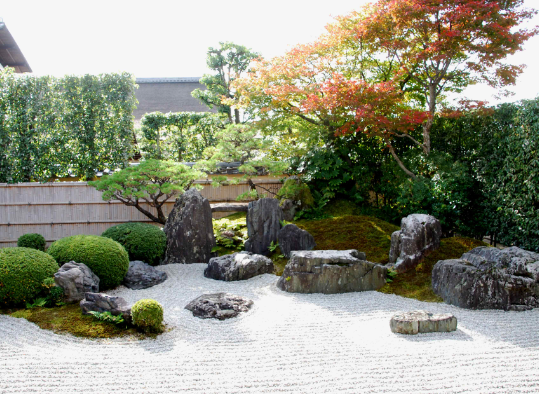
Spring is the perfect time to breathe new life into your garden, and what better way to draw inspiration than from the serene beauty of Japanese gardens? These gardens are known for their meticulous design, enchanting elements, and calming ambiance. Whether you have a large backyard or a small balcony, there are plenty of ideas to help you create your own slice of tranquility.
1. Incorporating Water Features
One of the most iconic aspects of Japanese gardens is their use of water, which adds a soothing sound and promotes a sense of peace. Consider adding a koi pond, a small fountain, or a water bowl to your space. Not only do these elements provide a visual focal point, but they also attract wildlife such as birds and butterflies, enhancing the garden’s natural beauty.
When planning your water feature, think about its placement carefully. Ideally, it should be visible from various angles of your garden and should flow naturally with the surrounding landscape. Remember to incorporate plants that thrive near water, such as irises or lotus flowers, to create a cohesive look.
-
- Determine the size and location of your water feature before digging.
-
- Opt for native plants to enhance local wildlife attraction.
-
- Consider adding rocks around the water feature for a natural look.
-
- Regularly clean and maintain the water feature to prevent algae growth.
2. Embracing Minimalist Planting
Japanese gardens often showcase the beauty of simplicity, which can translate into minimalist planting strategies that emphasize fewer, but more meaningful, plants. Focus on selecting a few types of plants that offer varied textures, colors, and heights. For instance, ornamental grasses, Japanese maples, and blooming azaleas can work well together to create a harmonious environment.
When you create your planting plan, think about the seasons. You’ll want plants that will flourish at different times of the year, providing year-round interest. You can also incorporate rock formations or stones to accentuate the simplicity and add visual contrast to your carefully chosen plants.
-
- Choose a limited palette of plants for visual coherence.
-
- Consider plants with various blooming seasons for continuous beauty.
-
- Incorporate rocks or gravel to enhance simplicity in your design.
-
- Avoid overcrowding; give each plant space to thrive.
3. Creating Pathways and Borders
Well-defined pathways are crucial in Japanese garden design as they guide visitors through the space and encourage contemplation. You can use natural materials like gravel, stones, or stepping stones to create winding paths that lead to different areas of your garden. This not only enhances the aesthetic but also serves a practical purpose by keeping the garden organized.
Additionally, consider adding borders with low hedges or bamboo fencing. These elements can not only delineate spaces but also add structure and vertical interest. For example, a small hedge of boxwood can serve as a lovely frame for a flowerbed, contributing to the overall zen feeling of the garden.
-
- Choose natural materials that blend well with your garden environment.
-
- Ensure pathways flow naturally from one area to another.
-
- Use borders to create compartments within your garden.
-
- Keep pathways clear of debris for safety and visual appeal.
4. Adding Meaningful Garden Accessories
Accessories play a significant role in enhancing the character of a Japanese garden. Consider incorporating bamboo fountains, stone lanterns, or a tea house to evoke traditional Japanese elements. These features not only enhance the aesthetic but also provide an opportunity to reflect on nature and tranquility.
When selecting accessories, aim for items that reflect your personal style as well as traditional Japanese aesthetics. The materials you choose should harmonize with the natural surroundings and the color palette of your plants. For instance, a simple wooden bench placed alongside a flowering tree can be a perfect spot for quiet meditation.
-
- Choose accessories that resonate with your personal taste while honoring tradition.
-
- Pay attention to scale—furniture and decor should complement the garden size.
-
- Incorporate features that promote rest, such as benches or sitting areas.
-
- Ensure accessories are made from durable materials to withstand the elements.
5. Focus on Seasonal Elements
Lastly, creating a garden that changes with the seasons can be a key aspect of Japanese garden inspiration. Selecting plants that bloom in the spring, show vibrant foliage in the summer, have autumn colors, and provide interesting winter structure can keep your garden lively year-round. Consider incorporating cherry blossoms, vibrant fall maples, and evergreen plants for different seasonal interest.
Additionally, elements like seasonal decorations can enhance this change throughout the year. For example, you could display lanterns during the summer or set up stone arrangements that highlight snowy aesthetics in winter. This not only beautifies your garden but also creates a dynamic experience for visitors.
-
- Research plants that are suitable for your climate and provide year-round interest.
-
- Incorporate seasonal decorations that reflect the changing times.
-
- Maintain a mix of evergreen and deciduous plants for continual appeal.
-
- Plan seasonal pruning and care as needed to keep the garden healthy.
By incorporating these Japanese garden inspirations into your spring garden, you can create a tranquil oasis right at home. Whether you choose to implement one or all of these ideas, remember that the key is creating an environment that promotes peace, beauty, and connection with nature. Don’t hesitate to consult with a garden professional or landscape designer to bring your vision to life!