
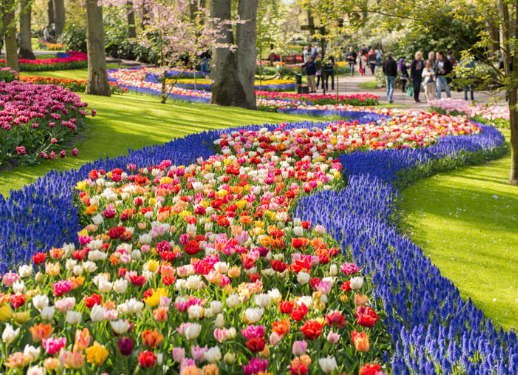
Spring is the perfect time to breathe life into your garden with vibrant native plants and flowers that not only beautify your space but also support local ecosystems. Embracing native plants can minimize maintenance while maximizing the natural charm of your outdoor area. Here are some engaging spring garden ideas that highlight the benefits and beauty of planting native species.
1. Choosing the Right Native Plants for Your Region
Before diving into planting, it’s crucial to identify the native plants that thrive in your specific region. Native species are adapted to the local climate and soil, making them more resilient and easier to care for than non-native varieties. To research your local flora, visit regional botanical gardens or utilize resources like the Native Plant Database to find a list of plants suited to your environment.
Once you have a list of suitable native plants, consider their growth habits and blooming times. This knowledge allows you to create a garden that is colorful throughout the season, with various plants blooming at different times. Including perennials that return each year will give you lasting enjoyment and reduce annual planting efforts.
-
- Identify your USDA hardiness zone to understand your climate.
-
- Opt for perennials for long-lasting growth.
-
- Consult local nurseries for native plant options.
-
- Stagger bloom times for year-round color.
2. Creating Pollinator-Friendly Spaces
Native flowers play an essential role in supporting local pollinators such as bees, butterflies, and hummingbirds. Designing a garden that caters to these beneficial insects involves selecting a diversity of native plants that attract them. For instance, butterfly bushes, coneflowers, and black-eyed Susans are stunning choices that will draw various pollinators right to your yard.
In addition to selecting the right plants, be mindful of creating habitats that support pollinators. This can involve leaving patches of bare soil for ground-nesting bees, adding water features, or avoiding pesticides that could harm these important creatures. A pollinator-friendly garden not only beautifies your space but also contributes significantly to the health of the local ecosystem.
-
- Plant a variety of native flowers to attract a range of pollinators.
-
- Incorporate water sources like birdbaths.
-
- Avoid using pesticides and herbicides.
-
- Leave some areas of bare soil for nesting.
3. Designing with Color and Texture
Native plants come in a stunning array of colors and textures, allowing you to create a visually appealing garden. Experimenting with layering different heights and foliage textures can add depth to your garden beds. For instance, pairing the delicate leaves of ferns with the bold blooms of goldenrod or the striking contrast of purple asters creates a captivating visual display.
Don’t overlook the importance of seasonal interest in your design. Choose some native plants that provide fall color or feature attractive bark. This way, your garden can transition beautifully through the seasons, providing visual interest year-round. Using native grasses, like little bluestem or switchgrass, can also add height and movement, enhancing the overall aesthetics of your garden.
-
- Mix plants of varying heights for a layered look.
-
- Incorporate seasonal interest with fall-foliage plants.
-
- Use grasses for texture and movement.
-
- Experiment with different color combinations.
4. Sustainable Gardening Practices
Embracing sustainable gardening practices can further enhance the benefits of using native plants. Sustainable gardening focuses on creating a garden that works in harmony with nature while minimizing environmental impact. This might mean using rain barrels to collect water, composting organic waste to enrich your soil, or employing organic gardening techniques to nurture plant health.
Additionally, consider implementing a xeriscaping approach, which features drought-tolerant native plants. This not only conserves water but also encourages biodiversity. By being mindful of resource consumption and minimizing your carbon footprint, you can create a flourishing garden that positively impacts both your immediate environment and the larger ecosystem.
-
- Use organic compost for plant nutrition.
-
- Implement rainwater harvesting systems.
-
- Choose drought-tolerant native plants.
-
- Minimize the use of synthetic fertilizers and pesticides.
Spring is an exciting season to revitalize your garden with native plants that enhance beauty while supporting local wildlife. By selecting suitable plants, promoting pollinator habitats, incorporating sustainable practices, and experimenting with textures and colors, you’ll create an inviting space that reflects the local ecosystem. Take the next step and reach out to local gardening clubs or florists to learn more about native plants tailored to your area.