
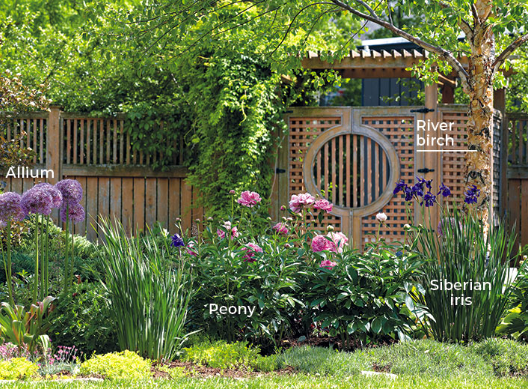
Spring is a vibrant time for gardening enthusiasts, bringing a burst of color and life to our outdoor spaces. Embracing natural garden landscaping can create a harmonious environment that enhances both beauty and biodiversity.
1. Choosing Native Plants for Your Garden
One of the most effective ways to achieve a thriving spring garden is by selecting native plants. These plants are well adapted to your local climate, soil, and wildlife, requiring less maintenance and water once established. For instance, in the Midwest, black-eyed Susans and coneflowers not only offer stunning yellow and purple blooms but also attract pollinators like bees and butterflies.
In addition to enhancing local biodiversity, native plants can help reduce the need for chemical fertilizers and pesticides, fostering a healthier ecosystem. Popular wildflowers such as asters and liatris can add eye-catching visuals to your landscape while supporting the native fauna. In fact, incorporating a variety of species can create a resilient garden that flourishes throughout the spring.
-
- Research your local native plant species.
-
- Visit a local nursery specializing in native plants.
-
- Group plants with similar water and light requirements.
-
- Consider the blooming time to enjoy continuous color.
-
- Observe which native plants attract local wildlife.
2. Incorporating Hardscaping Features
Hardscaping is the backbone of natural garden landscaping, allowing for functional and aesthetically pleasing outdoor spaces. Features like stone pathways, retaining walls, and wooden decks can complement the verdant backdrop of your garden. A nicely designed pathway not only guides visitors but also minimizes soil compaction, which can be detrimental to plant health.
Using natural materials such as slate or reclaimed wood can further enhance the aesthetic appeal of your garden. A simple stone bench amidst flowering perennials can create a tranquil nook for relaxation. Moreover, integrating hardscaping elements can help manage water runoff, directing it toward areas where plants need it the most, thus promoting better growth.
-
- Plan the layout of your hardscaping features first.
-
- Select materials that align with the natural landscape.
-
- Ensure proper drainage to prevent waterlogging.
-
- Consider seating areas that blend into the garden.
-
- Use hardscaping to create visual interest and texture.
3. Creating a Wildlife Haven
Spring is an ideal time to create a wildlife-friendly garden that can support various species. By providing food, water, and shelter, you can attract birds, beneficial insects, and other wildlife that enrich your garden ecosystem. Installing bird feeders and providing native plant habitats will not only benefit wildlife but also enhance the enjoyment of observing them.
Water sources such as birdbaths or small ponds can significantly increase the variety of wildlife visiting your garden. Moreover, incorporating features like brush piles or natural log piles can serve as shelter for small mammals and beneficial insects. Gardening with wildlife in mind promotes ecological balance, as predators naturally curb pest populations.
-
- Install birdhouses and feeders to attract songbirds.
-
- Plant a diverse range of flowering plants for insect pollinators.
-
- Add a water feature to provide hydration sources.
-
- Create natural habitats using logs, rocks, and shrubs.
-
- Limit pesticide use to promote healthier wildlife populations.
4. Implementing Sustainable Practices
Implementing sustainable gardening practices can significantly enhance your spring garden’s vitality. Techniques such as composting kitchen scraps and yard waste reduce organic waste while enriching the soil. Creating a compost pile not only adds nutrients to your garden but also improves soil structure and moisture retention.
Rainwater harvesting is another sustainable practice that can save water and reduce water bills. Installing rain barrels can provide a free source of irrigation for your garden during the drier months. These eco-friendly practices contribute to a healthier environment and a more sustainable gardening experience.
-
- Set up a compost bin to recycle organic waste.
-
- Use mulch to retain moisture and suppress weeds.
-
- Install rain barrels to capture rainwater.
-
- Choose organic fertilizers to improve soil health naturally.
-
- Rotate crops each year to prevent soil depletion.
5. Planning for Seasonal Changes
As spring progresses, it is essential to consider how your garden will adapt to seasonal changes. Selecting plants with staggered bloom times ensures your garden stays vibrant throughout the spring and into summer. For example, planting early bloomers like crocuses alongside mid-season flowers like peonies can create a beautiful transition of colors and scents over time.
Additionally, understanding your local climate’s typical weather patterns can help you plan your garden layout more effectively. For instance, regions with frequent spring rains can benefit from raised beds for better drainage, while frost-prone areas might require protective measures for tender plants. Embracing these seasonal changes can prepare your garden for future success.
-
- Choose plants with varying bloom times for continuous color.
-
- Monitor local climate forecasts to adjust care routines.
-
- Prepare for seasonal pests by timing your planting schedule.
-
- Plan for winter storage or protection of delicate plants.
-
- Rotate seasonal crops to optimize soil nutrients.
With these spring garden ideas grounded in natural landscaping practices, you can create a thriving, beautiful outdoor space. Embracing native plants, integrating hardscaping features, and implementing sustainable practices will not only nurture your garden but also support local ecosystems. Take the opportunity this spring to transform your garden, and don’t hesitate to consult a professional for tailored advice or assistance on creating your ideal garden space.