
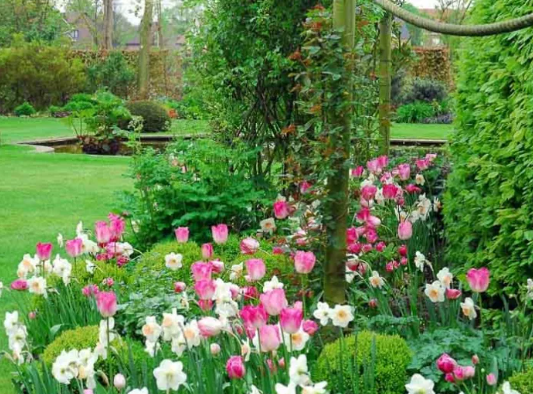
Spring is the perfect time to breathe life into your garden, and what better way to welcome the season than by introducing vibrant flower borders? These borders not only add beauty but also create structure and define spaces in your garden. Let’s explore some engaging spring garden ideas that will make your outdoor space bloom!
1. Choosing the Right Seasonal Flowers
When planning your flower borders, selecting the right seasonal flowers is key to ensuring a stunning visual impact. Consider perennials like tulips, daffodils, and hyacinths that provide a burst of color early in the season and return year after year. Annuals, such as petunias and marigolds, can fill in gaps and offer continuous bloom throughout the spring and summer months.
Additionally, think about the color scheme and height of the plants. Taller flowers should be placed at the back of the border, while shorter varieties can be arranged in front. Mixing textures and colors can create a captivating display that attracts pollinators and adds depth to your garden.
-
- Research flowering times and select a mix of plants to ensure color throughout the season.
-
- Incorporate plants of varying heights for visual interest.
-
- Choose colors that complement your garden’s overall aesthetic.
-
- Consider fragrance to enhance the sensory experience in your outdoor space.
2. Designing Curved Flower Borders
Curved flower borders can add a soft, organic flow to your garden, breaking away from traditional straight lines. Using a garden hose or rope to outline the desired curve can help visualize the shape before planting. Curves create a more natural feel and can guide the eye through the garden space.
When choosing your plants for a curved border, opt for a combination of low-growing flowers, medium-sized blooms, and larger plants to create a tiered effect. This arrangement will enhance the depth of the border and provide an inviting path for visitors. Make sure to consider sunlight exposure to each section of the border, as it may vary along the curves.
-
- Use a hose or string to lay out your desired curve before digging.
-
- Incorporate varying heights for a tiered effect.
-
- Choose plants suited for the specific light conditions along the curve.
-
- Don’t forget to allow room for growth; overcrowding can hinder plant health.
3. Creating a Pollinator-Friendly Border
This spring, consider designing a flower border that supports local pollinators such as bees and butterflies. Choose native plants like coneflowers, bee balm, and milkweed that attract these essential creatures. A diverse selection not only benefits the pollinators but also creates a beautifully vibrant display.
Incorporating a water source, such as a small birdbath or shallow dish, further encourages pollinator activity. Avoid pesticides, as they can harm beneficial insects. Instead, focus on organic gardening techniques to maintain a healthy environment for all garden inhabitants.
-
- Choose native plants that are known to attract bees and butterflies.
-
- Designate a water source to support local wildlife.
-
- Avoid chemical pesticides; opt for organic solutions instead.
-
- Plant in clumps to make it easier for pollinators to find food sources.
4. Seasonal Maintenance Tips for Flower Borders
Maintaining your flower borders throughout the spring is crucial for ensuring their health and beauty. Regularly inspect plants for pests and diseases, and remove any dead or damaged foliage to encourage new growth. Mulching can help retain moisture and suppress weeds that compete for nutrients.
Fertilizing your flowers at the start of the season will also support lush growth. Look for slow-release fertilizers that provide nutrients over time. Regular deadheading of spent flowers will promote prolonged blooming, ensuring your border stays vibrant for the whole season.
-
- Inspect for pests regularly and remove damaged foliage promptly.
-
- Apply mulch to retain moisture and control weeds.
-
- Fertilize early in the season with slow-release options.
-
- Practice deadheading to encourage continuous blooming.
5. Incorporating Edible Flowers into Your Borders
Why not combine beauty and utility by incorporating edible flowers into your flower borders? Plants like nasturtiums, pansies, and calendulas not only look stunning but also add flavor to your salads and dishes. These flowers can double as decoration and nutrition, making your garden more functional.
Position them within your borders among traditional flowers for a visually appealing mix. When planting, ensure that they are spaced properly to avoid overcrowding, which can stunt their growth. Consider seasonal rotations and companion planting strategies to maintain a thriving edible flower garden.
-
- Select edible flowers that thrive in your climate.
-
- Ensure proper spacing for healthy growth and airflow.
-
- Incorporate edible plants alongside traditional flowers for a dynamic look.
-
- Rotate your edible flowers every season for optimal soil health.
As spring dawns, it’s the perfect time to cultivate your garden with brilliant flower borders that reflect the season’s vibrancy. By selecting the right plants, utilizing thoughtful designs, and scheduling regular maintenance, you’ll create a captivating outdoor space. So grab your gardening tools, get creative, and start making your spring garden dreams a reality!