
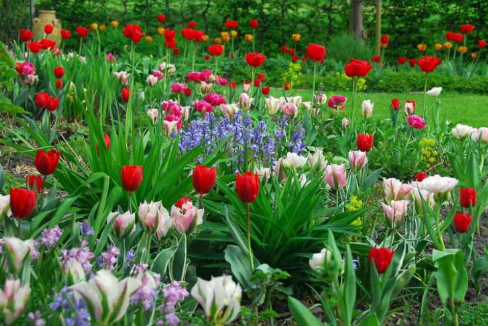
Spring is the perfect season to revitalize your garden spaces and embrace the beauty of nature. As flowers bloom and the sun shines brighter, it’s time to explore engaging ideas that not only brighten up your outdoor spaces but also bring fresh life to your gardening experience. Check out these spring-inspired garden themes to infuse your yard with creativity.
1. The Vibrant Vegetable Garden
There’s nothing quite like harvesting fresh vegetables from your backyard garden. This year, consider creating a vibrant vegetable garden that not only provides sustenance but also brightens your yard with colors and textures. Opt for a variety of vegetables such as red tomatoes, purple eggplants, and orange bell peppers to make the space visually appealing. Don’t forget to include herbs like basil and parsley, which can add both beauty and flavor to your meals.
When planning your vegetable garden, think about companion planting to maximize your space and get the best yields. For instance, planting marigolds alongside tomatoes can help deter pests while adding a pop of yellow to your garden. Additionally, consider vertical gardening techniques using trellises to save ground space and add height to your garden.
-
- Choose a sunny spot for your garden with at least 6-8 hours of sunlight.
-
- Plan your layout, mixing colorful vegetables and herbs.
-
- Use organic compost to enrich the soil.
-
- Water regularly, especially during dry spells.
-
- Monitor for pests and treat them organically.
2. A Tranquil Zen Garden
If you’re looking for a space to unwind, creating a tranquil Zen garden might be the perfect solution. This type of garden focuses on simplicity, using natural elements to promote peace and relaxation. You can incorporate rocks, sand, and gravel along with carefully placed plants like bamboo or Japanese maples to establish a serene atmosphere. Paths made of stepping stones can guide visitors through this peaceful space, enhancing the meditative experience.
For a truly reflective experience, consider adding a water feature. A small pond or fountain not only attracts wildlife but also offers calming sounds, making your garden a retreat from daily stresses. Moreover, using a variety of textures in your plants will further enhance the sensory experience—think soft mosses contrasted with the hard surfaces of rocks.
-
- Select a quiet area of your yard for your Zen garden.
-
- Rake the sand regularly to maintain clean lines.
-
- Add elements like lanterns or benches for contemplation.
-
- Incorporate plants that are native to your area for easy maintenance.
-
- Limit colorful flowers to keep the focus on tranquility.
3. Bright and Bohemian Flower Garden
A bright and bohemian flower garden can add a touch of whimsy and personality to your outdoor space. This style embraces a mix of colors, textures, and plant heights to create an eclectic and lively atmosphere. Choose a variety of perennials and annuals like sunflowers, zinnias, and daisies alongside unique plants such as ornamental grasses. The goal is to create a fun, relaxed vibe that encourages pollinators like bees and butterflies to feel at home.
Incorporate interesting decorations as well, such as whimsical garden sculptures or colorful painted pots to enhance the bohemian feel of your garden. Layering different plants will create depth and interest throughout the seasons, ensuring your garden remains appealing. Here, you can also experiment with plant combinations—mix trailing plants in hanging baskets with upright flowers for a visually stunning display.
-
- Choose a color palette that reflects your personality.
-
- Incorporate a mix of flower sizes and shapes.
-
- Use decorative accents like fairy lights or unique planters.
-
- Regularly deadhead flowers to encourage blooming.
-
- Consider seasonal plant rotations for continuous color throughout spring and summer.
4. The Edible Flower Garden
An edible flower garden not only adds beauty to your space but provides delightful flavors and garnishes for your culinary adventures. Flowers like nasturtiums, pansies, and violets are not only visually stunning but also edible, allowing you to decorate dishes with their vibrant colors. Planting a mix of these can create a unique garden that pulls double duty—decorating your plates while bringing joy to your outdoor space.
To cultivate your edible flower garden, start by researching which flowers thrive in your local climate. It’s essential to ensure that all plants are free from pesticides to keep them safe for consumption. Incorporate herbs like chamomile and borage, which have both culinary uses and beautiful blooms, adding to the garden aesthetic.
-
- Ensure your flowers are grown organically without chemicals.
-
- Mix edible flowers with herbs and vegetables for a diverse garden.
-
- Harvest flowers regularly to encourage more blooms.
-
- Be mindful of which flowers are toxic, ensuring all chosen plants are safe for consumption.
-
- Create recipes using your edible flowers to enjoy their flavors.
Spring is a wonderful opportunity to breathe life into your garden with creative themes and vibrant plants. Whether you choose a vegetable garden for sustainability or a bohemian flower garden for visual delight, there’s so much potential to explore. Take your time, enjoy the process, and watch your garden flourish as you nurture it through the seasons.