
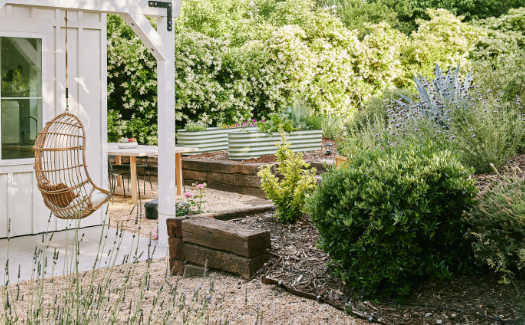
Spring is a time of renewal and growth, making it the perfect season to revitalize your garden with sustainable practices. Whether you’re a seasoned gardener or just starting, adopting eco-friendly techniques can enhance your garden’s beauty while supporting the environment.
In this post, we’ll explore some creative and sustainable spring garden ideas that can help you design a flourishing and environmentally conscious space.
1. Selecting Native and Drought-Resistant Plants
Choosing native plants is one of the most sustainable gardening practices you can implement. Native plants are adapted to your local environment, requiring less water and fertilizer while thriving without many of the problems associated with non-native species. For instance, if you’re planting in a dry region, consider incorporating local varieties like lavender or sage that can withstand drought conditions.
By selecting drought-resistant plants, you not only conserve water but also support local wildlife, including pollinators like bees and butterflies. Plants such as succulents or ornamental grasses can flourish without excessive moisture and provide a unique aesthetic to your garden.
-
- Research local native plant species that thrive in your climate.
-
- Choose a mix of plants that bloom at different times for year-round interest.
-
- Avoid invasive species that can disrupt your local ecosystem.
-
- Group plants with similar watering needs together to conserve water.
2. Creating a Composting System
Composting is a sustainable way to recycle kitchen scraps and yard waste into nutrient-rich fertilizer for your garden. By establishing a compost pile or bin, you can turn organic waste into valuable compost instead of sending it to a landfill. This not only reduces landfill contributions but also improves soil health by enriching it with nutrients.
To start composting, you can use a variety of materials like fruit and vegetable peels, coffee grounds, eggshells, and yard clippings. It’s important to maintain a balance of “greens” (nitrogen-rich materials) and “browns” (carbon-rich materials) for optimal decomposition. A well-maintained compost should be kept moist and turned regularly to ensure even breakdown.
-
- Choose a designated spot for your compost pile or bin.
-
- Include a mix of greens (vegetable scraps) and browns (dry leaves).
-
- Turn your compost every few weeks to aerate and speed up decomposition.
-
- Keep your compost moist but not soggy; a damp sponge is a good texture.
3. Implementing Water Management Techniques
Efficient water management is critical in sustainable gardening. Techniques such as rainwater harvesting can significantly reduce your dependency on municipal water systems. Installing a rain barrel to collect runoff from your roof is an excellent way to gather water naturally for garden irrigation. This not only helps conserve water but also saves on your utility bills.
Additionally, consider implementing drip irrigation systems, which deliver water directly to the plant roots. This minimizes waste and ensures that your plants receive the right amount of moisture without requiring frequent watering. Mulching around your plants can also help retain moisture in the soil and prevent evaporation.
-
- Install rain barrels under downspouts to collect rainwater.
-
- Set up drip irrigation for targeted watering.
-
- Use organic mulch to conserve soil moisture.
-
- Water early in the morning or late in the evening for efficiency.
4. Maximizing Garden Biodiversity
Encouraging biodiversity in your garden not only contributes to a healthier ecosystem but also enhances resilience against pests and diseases. Growing a variety of plants can attract beneficial insects and pollinators, promoting a balanced ecosystem. Incorporate flowers, shrubs, and vegetables to create a vibrant and diverse gathering of plants.
Consider implementing features such as pollinator gardens filled with nectar-rich flowers or creating habitats for beneficial wildlife like birds and frogs. Companion planting, where certain plants are grown together for mutual benefit, can also help deter pests naturally while enhancing the growth of neighboring plants.
-
- Plant a mix of flowers and vegetables to attract pollinators.
-
- Research companion planting to enhance plant growth and deter pests.
-
- Incorporate features like birdhouses or bee hotels to support wildlife.
-
- Designate areas of your garden for naturally growing local plants.
Spring is an ideal time to embrace sustainable gardening practices that can lead to a thriving ecosystem right in your own backyard. By making thoughtful choices about plant selection, resource management, and garden biodiversity, you can cultivate a beautiful garden while being gentle on the planet. Take the next step and experiment with these ideas to transform your garden into a sustainable paradise. Happy gardening!