
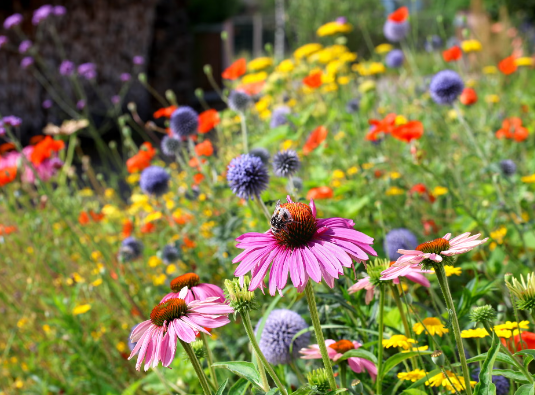
As spring approaches, many garden enthusiasts are eager to explore the enchanting world of natural and wildflower gardens. These gardens not only celebrate the beauty of native plants but also support local ecosystems by attracting beneficial insects and wildlife. In this blog post, we’ll explore some delightful ideas for creating your own wildflower haven this spring.
1. Choosing the Right Native Plants
One of the most crucial aspects of planning a wildflower garden is selecting the right native plants. Native plants are better adapted to your local climate and soil conditions, making them easier to maintain and more resilient. They also play an essential role in supporting local pollinators like butterflies, bees, and hummingbirds. For instance, if you live in the Midwestern United States, consider planting coneflowers, black-eyed Susans, or milkweed.
When choosing plants, it’s also important to consider their bloom time and height. Mixing early, mid, and late bloomers can provide a continuous display of color throughout the spring and summer. Taller plants can be placed at the back of a garden bed, while lower-growing varieties are ideal for the front. This layering not only looks beautiful but also creates a habitat for a variety of wildlife.
-
- Research native plants suited to your region.
-
- Mix varieties that bloom during different seasons.
-
- Incorporate plants of varying heights for visual appeal.
-
- Check local resources like extension services for plant recommendations.
2. Preparing the Soil
Proper soil preparation is key to establishing a successful wildflower garden. Start by selecting a sunny location that receives at least 6-8 hours of sunlight per day. Next, clear any existing weeds, grass, or debris to make way for your new garden. After clearing the area, you might want to consider testing your soil’s pH and nutrient levels, as this can inform your approach to amending the soil.
Add organic matter, such as compost, to enrich the soil, enhance drainage, and improve its structure. This can help your plants thrive and reduce the need for chemical fertilizers. For sandy or clay-rich soils, incorporating sand or peat moss can also foster better aeration and moisture retention.
-
- Choose a sunny location with good drainage.
-
- Clear the area of weeds and debris before planting.
-
- Consider a soil test to check pH and nutrients.
-
- Add compost and organic matter to improve soil quality.
3. Creating a Pollinator-Friendly Environment
Transforming your garden into a pollinator-friendly paradise not only benefits the ecosystem but also enhances the overall growth of your wildflowers. Creating diverse habitats can attract a variety of beneficial insects. Incorporating elements like small rocks, brush piles, or bee hotels will provide shelter and breeding sites for pollinators. Additionally, planting in clusters rather than straight rows can attract more insects by creating visual signals.
Water sources are also important for maintaining a healthy pollinator population. Consider adding a small birdbath or shallow dishes filled with pebbles and water to give insects a place to hydrate. Overall, the goal is to create a welcoming environment where pollinators can thrive and help your flowers flourish.
-
- Plant in clusters to attract more pollinators.
-
- Add shelters like bee hotels and brush piles.
-
- Provide a water source for hydration.
-
- Avoid pesticides that can harm beneficial insects.
4. Maintenance Tips for Your Wildflower Garden
Once your wildflower garden is established, it’s essential to maintain it properly to ensure its long-term success. While wildflowers are generally low-maintenance, they do benefit from periodic care. For example, removing invasive species as they appear will help your native plants thrive. Regularly checking on your plants will allow you to notice any signs of stress or disease as well.
Timing is also crucial in maintaining your garden. Be sure to deadhead spent flowers to encourage more blooms and extend the flowering period. Additionally, late fall or winter is an excellent time for cutting down old growth, as it helps to provide habitat for certain wildlife during the winter months while preparing the soil for new growth in the spring.
-
- Remove invasive species when noticed.
-
- Deadhead flowers to encourage more blooms.
-
- Monitor plants for stress or disease.
-
- Cut down old growth in late fall or winter.
With these spring garden ideas, you can create a beautiful and thriving natural and wildflower garden that not only enhances your space but also supports the ecosystem. Whether you’re just starting out or looking to enhance an existing garden, taking these steps will lead to a lush and vibrant environment. So roll up your sleeves, gather your seeds, and dig into the wonderful world of wildflowers this spring!