
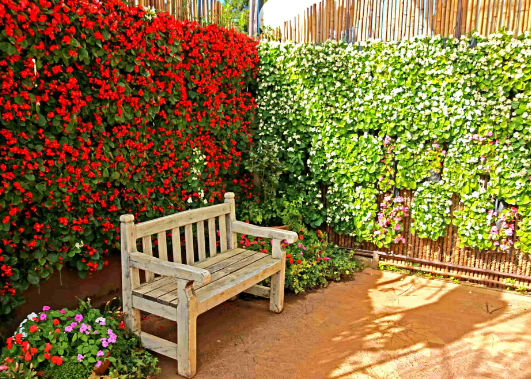
Spring is the ideal time to revitalize your garden and embrace new planting designs. If you’re looking to maximize your space and add some creativity to your garden, vertical planting can be an excellent solution. This blog post will explore various vertical gardening ideas to inspire you as you prepare your outdoor oasis.
1. Vertical Herb Garden
An herbal vertical garden is not only practical but also incredibly aromatic and visually appealing. By growing herbs vertically, you can save space while ensuring that they receive ample sunlight. You can use a trellis, wall-mounted planters, or repurposed pallets to create a vertical herb garden. Some popular herbs to consider planting include basil, thyme, rosemary, and mint, which can be easily harvested and used in your kitchen.
Consider grouping herbs with similar watering and sunlight requirements to maximize their growth potential. Stone planters or pocket planters can also be a helpful addition for a touch of style and ease of access. Keep in mind that herbs generally do well in sunny locations, so position your vertical garden accordingly.
-
- Choose herbs that you frequently use in cooking.
-
- Make sure your structure is sturdy enough to hold the planters.
-
- Consider using self-watering systems for convenience.
-
- Place your garden near the kitchen for easy harvesting.
2. Climbing Plants and Trellis Designs
Climbing plants can dramatically transform your garden space while occupying minimal ground area. Using a trellis to support plants like peas, cucumbers, or pole beans can add vertical interest and produce an abundance of fresh vegetables. Not only do these vegetables thrive upright, but they are also less prone to pests and soil-borne diseases, thanks to better airflow.
To create an appealing structure, choose decorative trellises that complement your garden’s aesthetic. Additionally, pairing climbing flowers like clematis or morning glories with vegetables can provide a vibrant mix of colors and textures. Ensure that your trellis is securely anchored to support the weight of mature plants.
-
- Opt for fast-growing climbers to quickly fill your trellis.
-
- Provide adequate spacing between climbing plants for air circulation.
-
- Rotate crops yearly to prevent nutrient depletion in the soil.
-
- Inspect regularly for climbing plant pests and diseases.
3. Stackable Planters for Space Efficiency
Stackable planters are a smart way to utilize vertical space, making them an ideal choice for small gardens or patios. These modular systems allow for different levels of planting, which can accommodate a variety of plants. You can plant anything from flowers to leafy greens, and the tiered design helps create a stunning garden centerpiece.
In addition, stackable planters improve drainage and ensure that your plants receive optimal sunlight exposure. Many of these planters come with built-in irrigation systems, allowing for efficient watering practices. Consider using lightweight materials for easy rearrangement and maintenance.
-
- Choose plants that thrive in similar conditions for stackable arrangements.
-
- Use high-quality potting soil for better drainage and plant health.
-
- Water the top tier first, allowing water to trickle down.
-
- Align larger plants at the bottom to provide stability.
4. Wall-Mounted Planter Boxes
Wall-mounted planter boxes provide a unique and contemporary touch to any garden. These planters can be attached to fences, walls, or the sides of your home, creating a living mural of colors and textures. Perfect for trailing plants or colorful annuals, wall-mounted planters can illustrate your personality while also creating a functional green space.
Consider varying the sizes and shapes of the planters to create an eye-catching layout. You can mix flowers and functional plants, including succulents, strawberries, and even mini peppers. Remember to use lightweight, gravel-filled potting mix to avoid overloading the hooks.
-
- Choose a sunny wall for maximum light exposure.
-
- Securely install brackets or hooks to prevent accidents.
-
- Utilize drip trays underneath to catch excess water.
-
- Rotate plants seasonally for continuous color and interest.
5. Hanging Gardens and Macrame Plant Hangers
Hanging gardens are a beautiful, whimsical way to incorporate vertical planting into your outdoor or indoor space. With a variety of hanging planters available—from traditional pots to trendy macrame hangers—you can infuse your garden with creativity and charm. Ideal for trailing plants like ferns or pothos, hanging gardens add layers and dimension to flat surfaces.
These planters are incredibly easy to install and can be hung from open beams, ceilings, or sturdy branches. When selecting plants, ensure they are appropriate for the light conditions of their hanging location. Pairing various heights creates visual interest while maximizing vertical space.
-
- Choose lightweight plants that won’t strain hangers.
-
- Position hangers at different heights for a dramatic effect.
-
- Regularly check for water levels and ensure proper drainage.
-
- Utilize colorful pots or planters to add personality.
Spring offers a wonderful opportunity to reimagine your garden with vertical planting designs. By incorporating these creative ideas, you can maximize your space while enhancing the beauty of your landscape. Don’t hesitate to explore these options and start your vertical garden journey today!